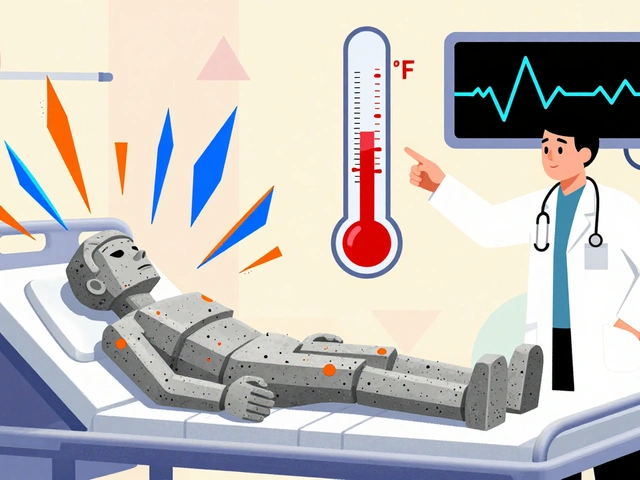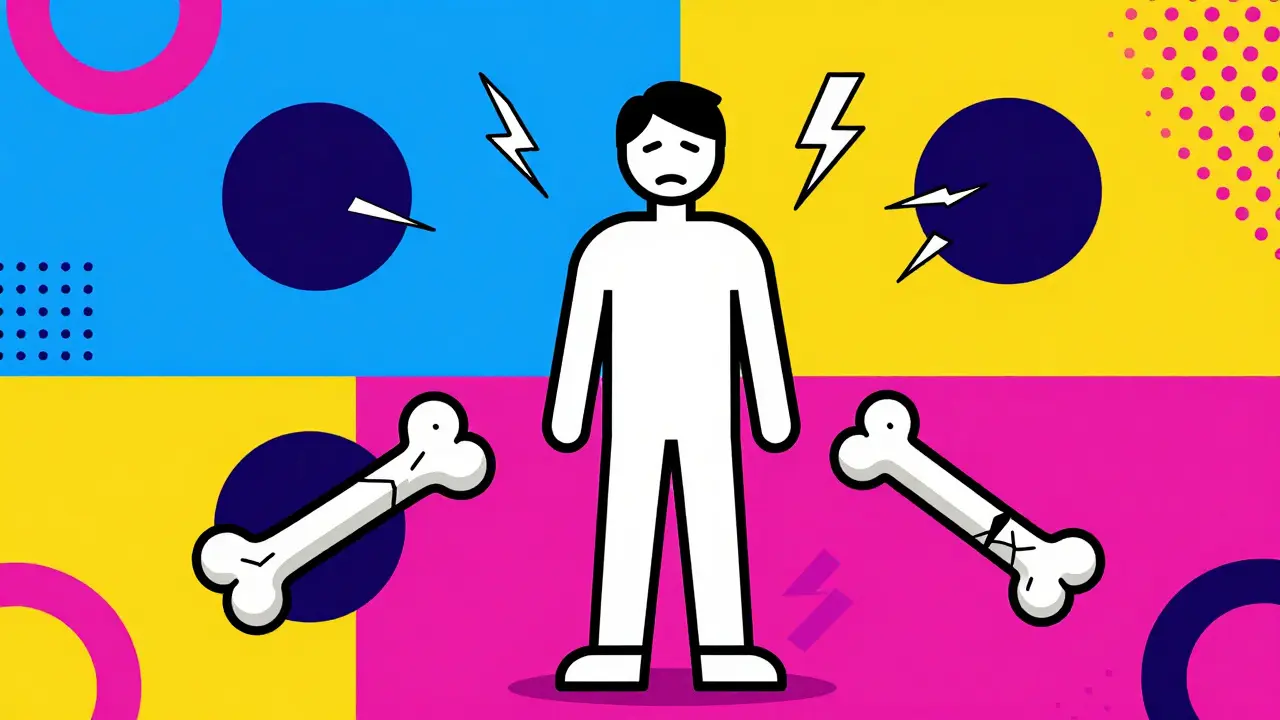
You know the drill. Your asthma is acting up, your lungs feel tight, and the doctor hands you a prescription for prednisone. It works. Fast. But then comes the crash-the weight gain, the mood swings, the bone density loss. You’re stuck in a cycle where the cure feels worse than the disease. This isn’t just a minor inconvenience; it’s a medical crisis known as oral corticosteroid burden.
For decades, oral corticosteroids (OCS) have been the go-to rescue for severe asthma. But we now know they come with a heavy price tag-both for your health and your wallet. The good news? We are finally moving past the era of "just take the steroid." New treatments, specifically biologics, are changing the game, allowing patients to breathe easier without paying the long-term toll of chronic steroid use.
The Hidden Cost of the "Safety Net"
We need to talk about why OCS are so problematic. For many patients, these pills are a lifeline. A 2024 analysis by Dr. Cameron Santoro in The American Journal of Managed Care highlights that patients often describe OCS as an effective "safety net" but simultaneously call them a "necessary evil." That contradiction is exhausting.
The problem isn't just that they work; it's that they damage you while working. According to a 2025 study in Frontiers in Allergy, a staggering 93% of severe asthma patients experience complications related to either OCS dependence or dosage. These aren't minor side effects. We are talking about:
- Weight gain and metabolic changes leading to diabetes
- Osteoporosis and increased fracture risk
- Glaucoma and cataracts
- Anxiety, depression, and sleep disturbances
- Cardiovascular disease and immunosuppression
Here is the kicker: these complications can start developing even during short-term use (less than 30 days). Long-term use is linked to higher mortality rates compared to non-use. Economically, it’s a nightmare too. In Italy, the annual per-patient cost of OCS-related adverse effects was calculated at approximately €1,960 for asthma patients-nearly double the cost for non-asthma patients. While the pills themselves are cheap, the "shadow costs" of treating their side effects are profound.
Biologics: The Game Changer
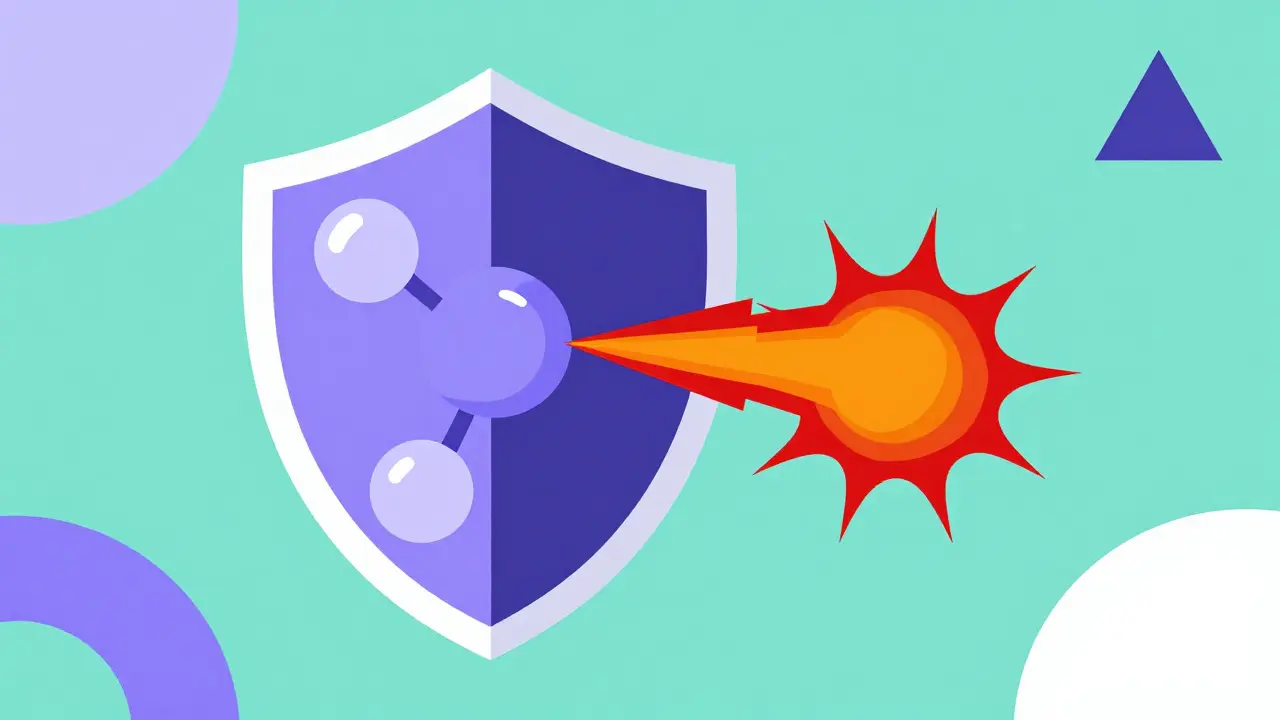
If OCS are the old guard, biologics are the new elite force in severe asthma treatment. These are not standard inhalers. They are targeted therapies designed to block specific inflammatory pathways in your body. Specifically, they target Type 2 inflammation, which accounts for about 50-70% of severe asthma cases.
Currently, there are six major biologics licensed for asthma management:
- Omalizumab (Xolair) - Targets IgE antibodies.
- Mepolizumab (Nucala) - Targets Interleukin-5 (IL-5).
- Reslizumab (Cinqair) - Also targets IL-5.
- Benralizumab (Fasenra) - Targets the IL-5 receptor.
- Dupilumab (Dupixent) - Targets the IL-4 receptor alpha subunit.
- Tezepelumab (Tezspire) - Targets TSLP (thymic stromal lymphopoietin).
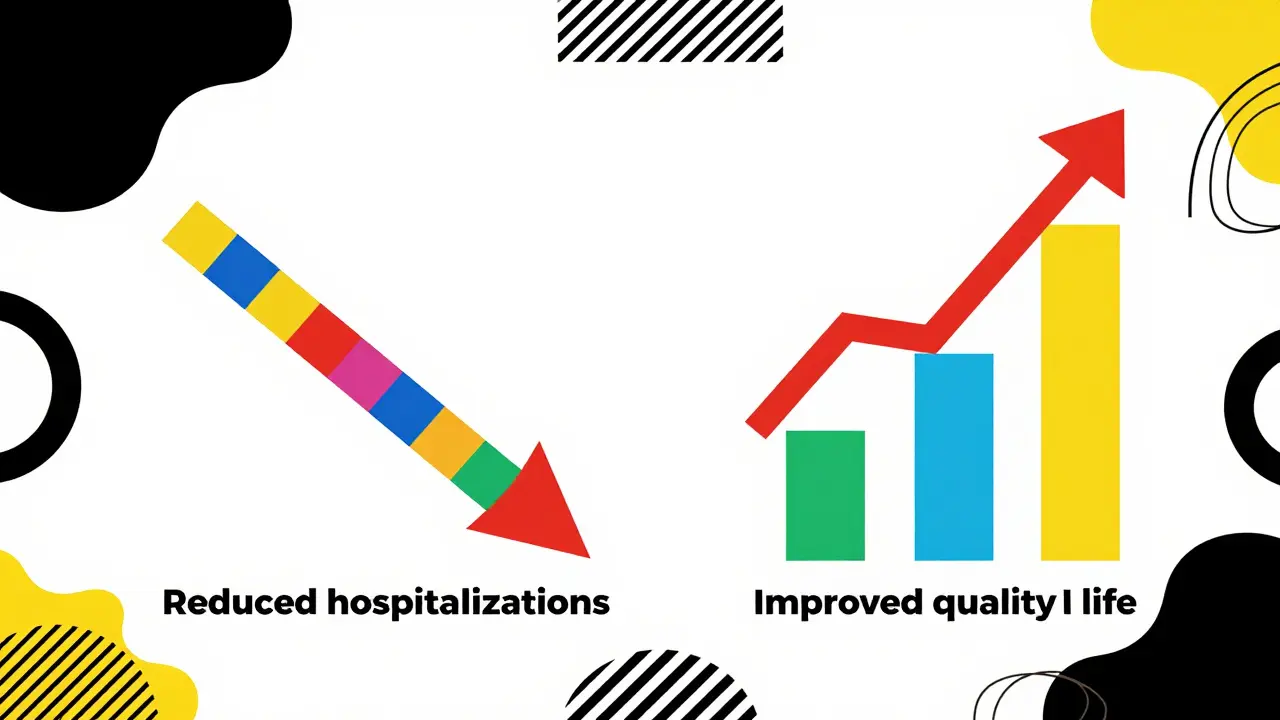
The results are dramatic. A pivotal study of 106 Italian patients showed that switching to mepolizumab reduced the number of corticosteroid-dependent subjects from 79.2% to just 31.1%. Those who still needed steroids saw their daily dose drop by an average of 4.7 mg. More importantly, exacerbation rates plummeted from 4.1 to 0.8 per year, and hospitalizations dropped from 0.4 to 0.06.
Dupilumab has shown similar efficacy. The American Academy of Family Physicians (AAFP) confirmed in 2021 that it significantly reduces both OCS use and severe exacerbation rates in patients who were previously dependent on steroids. Essentially, biologics allow you to step off the steroid treadmill while keeping your asthma under control.
| Biologic Name | Target Mechanism | Key Benefit |
|---|---|---|
| Mepolizumab | IL-5 | Significant reduction in OCS dependence |
| Dupilumab | IL-4/IL-13 | Broad anti-inflammatory effect; helps comorbidities |
| Benralizumab | IL-5 Receptor | Rapid eosinophil depletion |
| Tezepelumab | TSLP | Effective for broader range of phenotypes |
Guidelines and the Shift in Strategy
The medical community is officially pivoting. The Global Initiative for Asthma (GINA) guidelines have updated their stance. Short-term OCS use for acute exacerbations should be limited: 3-5 days for children (6-11 years) and 5-7 days for adults. Long-term maintenance OCS is now reserved strictly as a last resort (GINA Step 5), with doses kept at ≤7.5 mg/day if absolutely necessary.
Crucially, GINA now recommends adding biologic drugs before resorting to maintenance OCS therapy. This is a fundamental shift. Previously, steroids were the ceiling; now, they are the floor we try to avoid staying on.
However, implementation is tricky. The EOS Network’s 2023 position statement notes that while biologics are a vital option, there is a lack of standardized guidance on how to safely taper steroids once you start a biologic. Many doctors hesitate to reduce steroids too quickly, fearing a rebound effect. This creates a gap between what the science says works and what happens in the clinic.
Other Alternatives: What Else Is Out There?
Biologics aren't the only option, though they are the most promising. Let’s look at other approaches and why they fall short for many patients.
Bronchial Thermoplasty
This procedure involves using radiofrequency energy to reduce the amount of smooth muscle tissue in the airways. Less muscle means less constriction during an attack. The AAFP’s 2021 review confirms it modestly improves quality of life and lowers exacerbation rates in moderate to severe asthma. However, it comes with a catch: it increases asthma morbidity in the six weeks post-treatment. It’s invasive, expensive, and generally reserved for patients who haven’t responded to optimal medical therapy, including biologics.
Nutritional Supplements
You might have heard about Vitamin D. It makes sense theoretically-low vitamin D is linked to poor lung function. But the data doesn’t support it as a standalone fix. A 2021 AAFP review found that high-dose Vitamin D3 added to standard asthma treatment did not prevent treatment failure or exacerbations in vitamin D-deficient adults. It’s good for your bones (especially if you’ve been on steroids!), but don’t expect it to replace your inhaler or biologic.
The Economic Reality: Cost vs. Value
Let’s address the elephant in the room: price. Biologics are expensive. Oral steroids are cheap. Why isn’t everyone on biologics yet?
In June 2024, three major inhaler manufacturers announced caps on out-of-pocket costs at $35 monthly for commercially insured individuals. That’s progress. But it excludes those on public insurance and doesn’t cover all biologic therapies. Access remains a barrier.
However, when you look at the total cost of care, biologics win. The 2023 Advances in Therapy analysis emphasizes that the "profound delayed health consequences" of prolonged OCS use create substantial shadow costs. When you factor in hospitalizations, ER visits, and treating steroid-induced diabetes or osteoporosis, biologics become economically favorable in the long term. The Italian study cited earlier proves this: reducing exacerbations and hospitalizations directly translates to massive healthcare savings.
How to Move Forward: A Patient’s Checklist
If you are currently taking oral steroids for asthma, here is your action plan:
- Ask about Type 2 Inflammation: Request biomarker testing (like blood eosinophils or FeNO) to see if you are a candidate for biologics.
- Review Your OCS History: Track how many courses you’ve taken in the last year. If it’s more than two, you are at high risk for burden.
- Discuss Tapering Plans: If you start a biologic, ask your doctor for a written, gradual tapering schedule for your steroids. Do not stop cold turkey.
- Explore Financial Aid: Most biologic manufacturers offer patient assistance programs. Don’t assume you can’t afford them because of the list price.
- Monitor Bone Health: If you’ve been on long-term OCS, request a DEXA scan to check for osteoporosis.
The goal is simple: get off the steroid rollercoaster. With the right tools and advocacy, you can achieve stable breathing without sacrificing your long-term health.
What defines oral corticosteroid (OCS) dependence in asthma?
According to clinical definitions noted in 2025 allergy literature, OCS dependence is formally defined as usage for at least 6 months. Frequent short courses also contribute to burden, but long-term daily use is the primary marker of dependence.
Can I switch from oral steroids to biologics immediately?
No, you should never stop oral steroids abruptly due to the risk of adrenal insufficiency. Switching requires a careful, medically supervised tapering plan. Biologics take time to reach full efficacy, so your doctor will likely overlap the treatments before slowly reducing the steroid dose.
Are biologics covered by insurance?
Coverage varies by region and provider. While some private insurers have capped costs (e.g., $35/month caps announced in 2024), public insurance coverage differs. Many pharmaceutical companies offer patient assistance programs to help with copays or provide free medication for eligible uninsured patients.
What are the side effects of biologic therapies?
Biologics generally have fewer systemic side effects than oral steroids. Common issues include injection site reactions, mild headaches, or conjunctivitis (with dupilumab). They do not typically cause weight gain, diabetes, or bone loss associated with long-term steroid use.
Is bronchial thermoplasty a good alternative to steroids?
Bronchial thermoplasty is an option for severe asthma unresponsive to medication, but it is invasive and temporary worsening of symptoms occurs after the procedure. It is usually considered only after biologics and other medical therapies have failed.