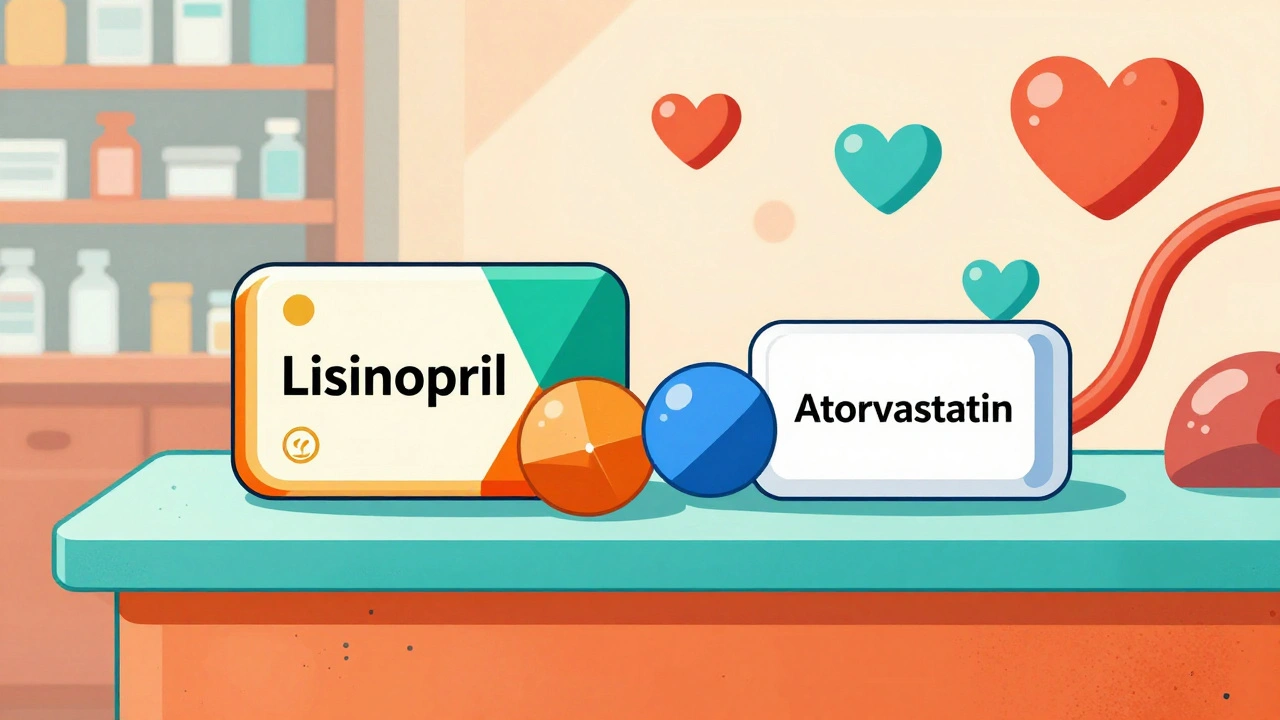
When your doctor switches your brand-name blood pressure pill to a generic version, you might feel uneasy. You’ve heard stories-some real, some exaggerated-about generics causing problems. Maybe your neighbor had a bad reaction. Maybe your pharmacist mentioned recalls. Or maybe you just don’t trust something that costs a fraction of the original. But here’s what the data actually says: cardiovascular generics are mostly safe, effective, and save billions every year. Still, the story isn’t as simple as ‘generic = good’ or ‘brand = better.’
What Exactly Are Cardiovascular Generics?
Cardiovascular generics are exact chemical copies of brand-name heart medications like lisinopril, atorvastatin, metoprolol, and losartan. They contain the same active ingredient, same dose, same way of being taken-whether pill, capsule, or tablet. The U.S. Food and Drug Administration (FDA) requires them to meet strict bioequivalence standards: the body must absorb the drug at nearly the same rate and amount as the brand version. That means the 90% confidence interval for absorption (measured by AUC and Cmax) must fall between 80% and 125% of the original drug. In practice, most generics differ by less than 4% in how they’re absorbed. These drugs aren’t cheap knockoffs. They’re made under the same strict manufacturing rules (cGMP) as brand-name pills. The difference? Generics don’t pay for advertising, clinical trials, or patent protection. That’s why they cost 80-90% less. From 2010 to 2019, U.S. patients saved $1.67 trillion on prescription drugs, with cardiovascular generics accounting for nearly 18% of those savings.The Evidence: Do Generics Work as Well?
The strongest evidence comes from randomized controlled trials-the gold standard in medicine. A 2020 Harvard Health meta-analysis looked at 38 such studies comparing generics and brand-name cardiovascular drugs. Thirty-five of them (92.1%) found no meaningful difference in outcomes. That includes heart attacks, strokes, hospitalizations, and death rates. The other three showed tiny differences, but none were linked to the drug’s actual effect on the heart or blood vessels. They were statistical noise. A 2023 meta-analysis of over 1 million patients confirmed this. Overall, there was no significant difference in major cardiovascular events (heart attack, stroke, death) between generics and brands. Risk ratio? 1.02-meaning generics were just as safe. Minor side effects? Also no difference. But here’s where it gets interesting: statins showed a small but statistically significant increase in major events with generics (risk ratio 1.13). Calcium channel blockers, on the other hand, had fewer adverse events with generics (risk ratio 0.90). Why? It’s not because the active ingredient is weaker. It’s likely due to differences in inactive ingredients-fillers, coatings, dyes-that can affect how the drug dissolves in the gut. For most people, this doesn’t matter. But for older adults, those with kidney disease, or those on multiple medications, even small changes in absorption can matter.The Real-World Worry: Adverse Events After Switching
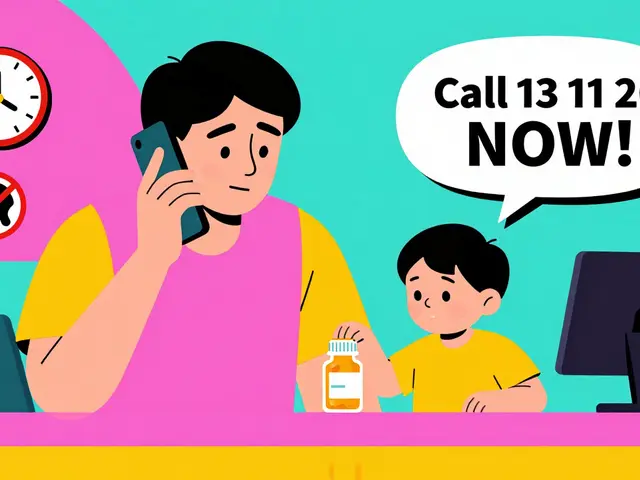
Here’s the gap between lab data and real life. A 2019 Canadian study tracked 136,000 seniors over 65 after their brand-name ARBs (losartan, valsartan, candesartan) were replaced with generics. In the first month after the switch, adverse event rates jumped-from 10% to 14% in some cases. Hospital visits for heart failure or low blood pressure increased. This wasn’t because the drugs were broken. It was because patients were suddenly on a different pill-different color, different shape, different brand name. Dr. Paul Poirier, who co-authored that study, put it plainly: “The increase in adverse events could reflect an acute response to equivalent, but not identical, generic drugs for newly switched patients.” Think of it like switching from one brand of coffee to another. Same caffeine, same roast level-but the taste, the texture, the smell are different. Your body notices. For some, it triggers stress responses, changes in blood pressure, or even anxiety about the change itself. Another study in JAMA Internal Medicine found that when pill appearance changed during a switch to generic, 14.2% of patients stopped taking their medication entirely. That’s not because the drug stopped working. It’s because they didn’t recognize it. They thought it was fake. Or wrong. Or dangerous.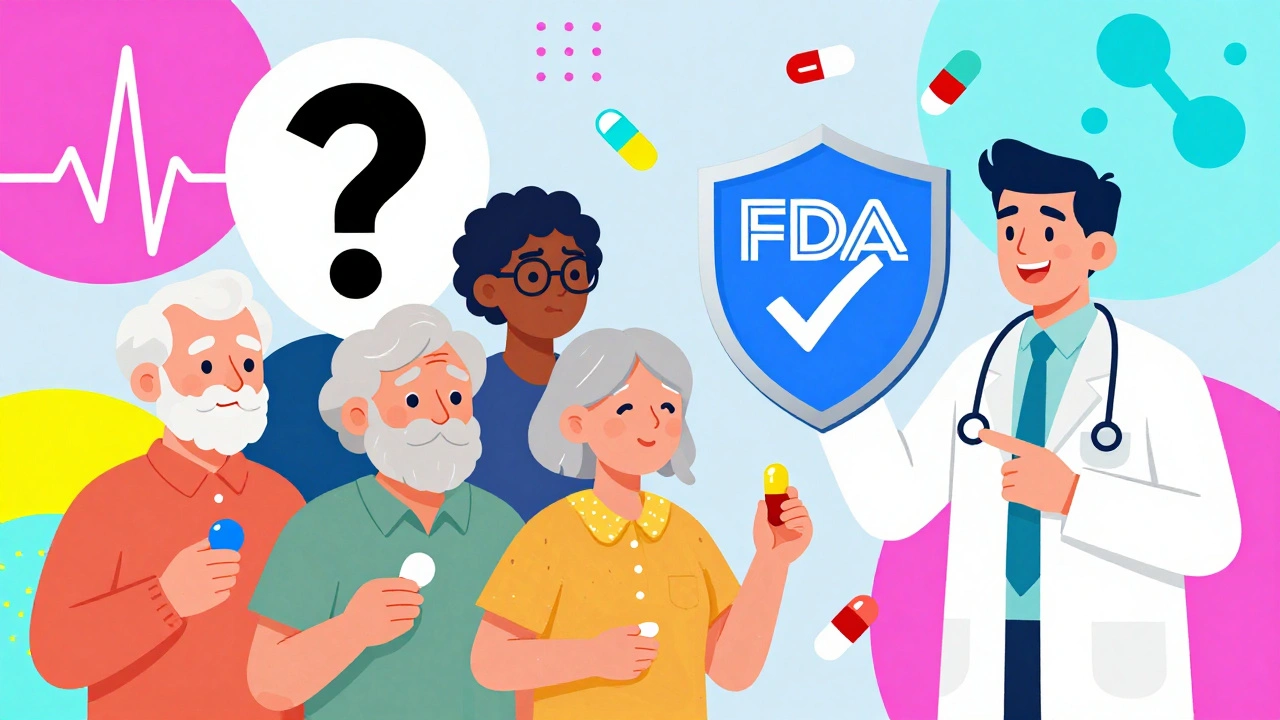
Why Do Some Doctors Still Hesitate?
Despite the data, skepticism lingers. A 2020 analysis by the American College of Physicians found that 25% of physicians wouldn’t use generics for their own families. Half of all medical journal editorials on generics expressed reservations. Why? One reason is the 2018-2020 nitrosamine contamination crisis. Several generic ARBs-valsartan, losartan, irbesartan-were recalled because of cancer-causing impurities. Over 1,254 lots were pulled. That shook trust. Even though the FDA fixed the problem, the memory stuck. In Q1 2024, 14.9% of tested generic cardiovascular lots still exceeded acceptable nitrosamine limits. Another reason? Inconsistent quality control. In 2022, 12.7% of generic drug manufacturing facilities had critical deficiencies during FDA inspections. That’s not the norm-but it’s not rare either. And when you’re managing heart disease, you don’t want to gamble.Who Should Be Careful?
Not everyone can safely switch. Certain drugs have a narrow therapeutic index-meaning the difference between a helpful dose and a dangerous one is tiny. Warfarin is the classic example. Even small changes in absorption can lead to dangerous bleeding or clots. The American Heart Association recommends against automatic substitution for warfarin and similar drugs without close monitoring. Older adults, especially those on multiple medications, are more vulnerable. Their bodies process drugs slower. Their kidneys and liver don’t work as well. A 4% difference in absorption might push them into a risk zone. Patients with heart failure, severe hypertension, or recent stents should also be monitored closely during any switch. The data shows generics are safe for most-but not for all.What Works: How to Make Generics Safer
The solution isn’t to avoid generics. It’s to manage the transition better. Pharmacist-led medication therapy management programs have proven effective. In a 2020 University of Pittsburgh pilot, pharmacists met with patients after switching to generics, explained the change, checked for side effects, and answered questions. Discontinuation rates dropped by 22.7%. Clear communication helps. If your pill looks different, ask your pharmacist: “Is this the same medicine?” They can confirm the active ingredient and explain why it looks different. Don’t assume the worst. Also, don’t panic over recalls. The FDA now tests every batch of high-risk generics for nitrosamines. You can check recall notices on their website. But don’t stop your medication without talking to your doctor.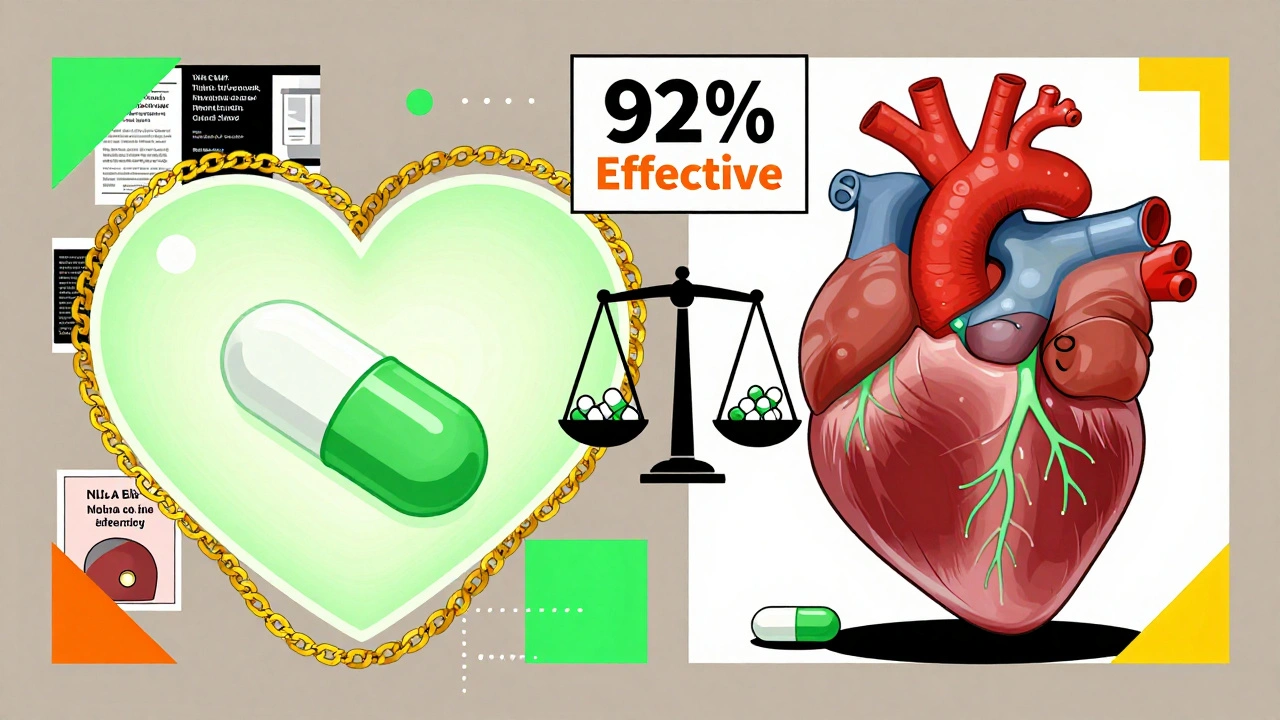
Market Reality: Who Makes Them and How Much Is Used?
Teva, Mylan, and Sandoz make most cardiovascular generics. Statins like atorvastatin and rosuvastatin have 94% generic market share. That’s because patents expired years ago and manufacturing is well-established. Newer drugs like sacubitril/valsartan (Entresto) still have low generic penetration-only 42% as of 2023-because their patents are recent. But that’s changing. The FDA is preparing new testing guidelines for complex generics, which will speed up approvals. Medicare Part D plans use generics in nearly 90% of cardiovascular prescriptions. Commercial insurers lag behind at 76%. Why? Cost-sharing structures. Some plans still push brand-name drugs to boost profits.What You Should Do
If you’re on a cardiovascular generic:- Don’t stop taking it unless your doctor tells you to.
- If you feel different after a switch-dizzy, tired, short of breath-call your doctor. It might be the drug. It might be something else.
- Ask your pharmacist to explain any changes in pill appearance.
- Keep a log of symptoms during the first 30 days after switching.
- Ask your doctor if a generic is appropriate for you.
- Ask for a trial period-say, 30 days-to see how you feel.
- Don’t let fear stop you from saving money. For most people, the savings are worth it.
The Bottom Line
Cardiovascular generics are not a gamble. They’re a well-regulated, cost-saving tool backed by decades of research. For 9 out of 10 patients, they work just as well as brand-name drugs. But they’re not perfect. The differences are subtle-often in the fillers, not the medicine. And those differences matter more for some people than others. The key isn’t to avoid generics. It’s to use them wisely-with awareness, communication, and monitoring. Don’t let fear or misinformation stop you from saving money. But don’t ignore your body’s signals either. If something feels off, speak up. Your heart will thank you.Are generic cardiovascular drugs as safe as brand-name ones?
For most people, yes. Large studies show 92% of randomized trials found no difference in heart attacks, strokes, or death between generics and brand-name drugs. However, some subgroups-like older adults or those on multiple medications-may experience slightly higher adverse events after switching, often due to changes in pill appearance or inactive ingredients, not the active drug itself.
Why do some people have problems after switching to generic heart meds?
The active ingredient is the same, but fillers, coatings, and dyes can vary. These differences can slightly alter how fast the drug is absorbed. For most, it’s negligible. But for older patients or those with kidney disease, even small changes can trigger side effects like dizziness or low blood pressure. Also, psychological factors play a role-patients who don’t recognize the new pill may stop taking it or worry it’s unsafe.
Are there specific cardiovascular generics that are riskier?
Statins show a small but statistically higher risk of major cardiovascular events with generics compared to brands (risk ratio 1.13). Calcium channel blockers show slightly fewer adverse events with generics. Drugs with narrow therapeutic windows-like warfarin-should not be automatically switched without close monitoring. The 2018-2020 nitrosamine recalls also affected ARBs like losartan and valsartan, but current manufacturing standards have improved significantly.
Should I avoid generics if I have heart disease?
No-unless your doctor advises otherwise. For most people with heart disease, generics are safe and effective. The American Heart Association supports their use. However, if you’ve had recent heart surgery, unstable angina, or heart failure, discuss switching with your cardiologist. Monitor for symptoms like fatigue, dizziness, or swelling in the first 30 days after switching.
How can I tell if my generic drug is safe?
Check the FDA’s website for recent recalls. Ask your pharmacist if the manufacturer is reputable (Teva, Mylan, Sandoz are top-tier). Don’t rely on pill color or shape-those can change without affecting safety. If you’re concerned, request a brand-name version-but know that generics are the standard for good reason. The real risk isn’t the drug-it’s stopping it because you’re afraid.
Do generics cause more hospital visits?
Crude data shows a 14% higher risk of all-cause hospital visits with generics, but this is largely driven by observational studies with high variability. When only randomized controlled trials are considered, the difference disappears. The increased visits likely reflect patient anxiety, changes in pill appearance, or poor communication-not the drug’s effectiveness.

December 5, 2025 AT 10:17 AM
I switched my lisinopril to generic last year and didn’t notice a thing. My BP’s been stable. I think the fear is more about the pill looking different than the medicine itself.
December 7, 2025 AT 04:05 AM
I’ve been on atorvastatin generics for five years. My cholesterol’s never been better. The only time I had an issue was when the pill changed color and I thought it was counterfeit. Turned out it was just a different manufacturer. Pharmacist cleared it up in two minutes.
December 7, 2025 AT 09:08 AM
In the UK we’ve been on generics for decades. Most people don’t even know what brand they’re on. The NHS saves millions and patients are fine. The real problem is when doctors don’t explain the switch. Not the drug.
December 7, 2025 AT 11:29 AM
Look, I get it. But let’s be real - generics are made in India and China where regulatory oversight is a joke. You think the FDA’s really checking every batch? 😅 The nitrosamine scandals? That’s just the tip of the iceberg. My cardiologist won’t touch them. Smart man.
December 8, 2025 AT 11:18 AM
Ah yes, the classic 'trust the data' argument. Meanwhile, my uncle ended up in the ER after switching to generic losartan. The data didn't tell him his BP dropped to 80/50. Coincidence? Or just another statistic in a spreadsheet?
December 9, 2025 AT 10:05 AM
This whole thing is a pharma scam. Brand names are overpriced to fund lobbyists who keep generics out of the market. But when the generics DO come out, they’re secretly tweaked to make you dependent. The FDA? Controlled by Big Pharma. You think they’d let a $1 pill kill someone? Nah. They just let it happen quietly. Wake up.
December 10, 2025 AT 13:43 PM
Important note: The 1.13 risk ratio for statins? That’s from observational data - not RCTs. And it’s likely confounded by non-adherence. People who switch to generics are often older, poorer, or have more comorbidities. That’s the real variable. Also, if you’re on warfarin? Don’t switch without INR checks. Always. Always. Always.
December 12, 2025 AT 05:51 AM
I work in a clinic. We switch 20+ patients a week to generics. The dropout rate? Under 5%. Most of those who stop? They didn’t understand the switch. We started giving them a one-pager with the active ingredient, the old pill’s color, and the new one’s. Problem solved. Communication > fear.
December 13, 2025 AT 08:06 AM
I was scared too. But then I started tracking my symptoms in a notes app for 30 days after switching. Turns out, I felt worse for the first week - but that was stress. After that? Better than ever. My BP’s lower, my energy’s up, and I saved $120 a month. Stop letting fear control your health. You’ve got this 💪
December 15, 2025 AT 03:12 AM
I read the whole thing. Honestly? It’s just corporate propaganda. You’re being told to trust the system. But who regulates the regulators? Who checks the labs? The same people who profit from the system. I’d rather pay more and know I’m not being experimented on. My heart is not a cost center.
December 15, 2025 AT 18:26 PM
My dad’s on metoprolol. Switched to generic last year. He’s 72, has diabetes, and takes 7 meds. We monitored him like a hawk. No issues. But we did it slowly. Started with a 2-week trial. Talked to his pharmacist. Took notes. It’s not about avoiding generics - it’s about doing it right. 😊
December 16, 2025 AT 00:30 AM
i switched to generic heart med and felt weird for a few days. thought i was gonna die. turned out i was just anxious. my mom said same thing when she switched. its all in your head. kinda. but also kinda not. idk. just dont stop taking it lol
December 16, 2025 AT 16:08 PM
I used to be skeptical too. Then I worked in a pharmacy during med school. Saw the same exact pill - same batch number - from the same manufacturer, just labeled differently. One was $120, the other $4. The active ingredient? Identical. The only difference? The sticker on the bottle. Mind blown. 🤯
December 18, 2025 AT 10:45 AM
I just read your comment about the pill being identical. That’s wild. I had no idea the manufacturer was the same. I always assumed generics were made by some sketchy company. Thanks for that.