
What do you do when you need a pill-right now-but the only one left is past its expiration date? Maybe it’s a painkiller in a drawer after a storm knocked out power. Or insulin in a backpack during a camping trip gone wrong. You’re not alone. Emergency situations happen. And when they do, you’re left wondering: is it safe?
Expiration Dates Aren’t Just Random Dates
Expiration dates aren’t made up. They’re the last day the manufacturer guarantees the drug will work as intended and stay safe. This requirement started in the U.S. in 1979. But here’s the twist: that date doesn’t mean the medicine suddenly turns toxic. It means the company can’t promise it still has full strength. Many drugs, especially solid tablets like ibuprofen or acetaminophen, can stay stable for years after that date-if stored right.The FDA says about 90% of medications remain safe and effective up to 15 years past expiration, if kept in cool, dry, dark places. But that’s under lab conditions. Most people store pills in bathrooms or near windows. Humidity, heat, and sunlight wreck them faster. A study found medications stored in bathroom cabinets degrade 37% quicker than those kept in a bedroom drawer.
Not All Medications Are Created Equal
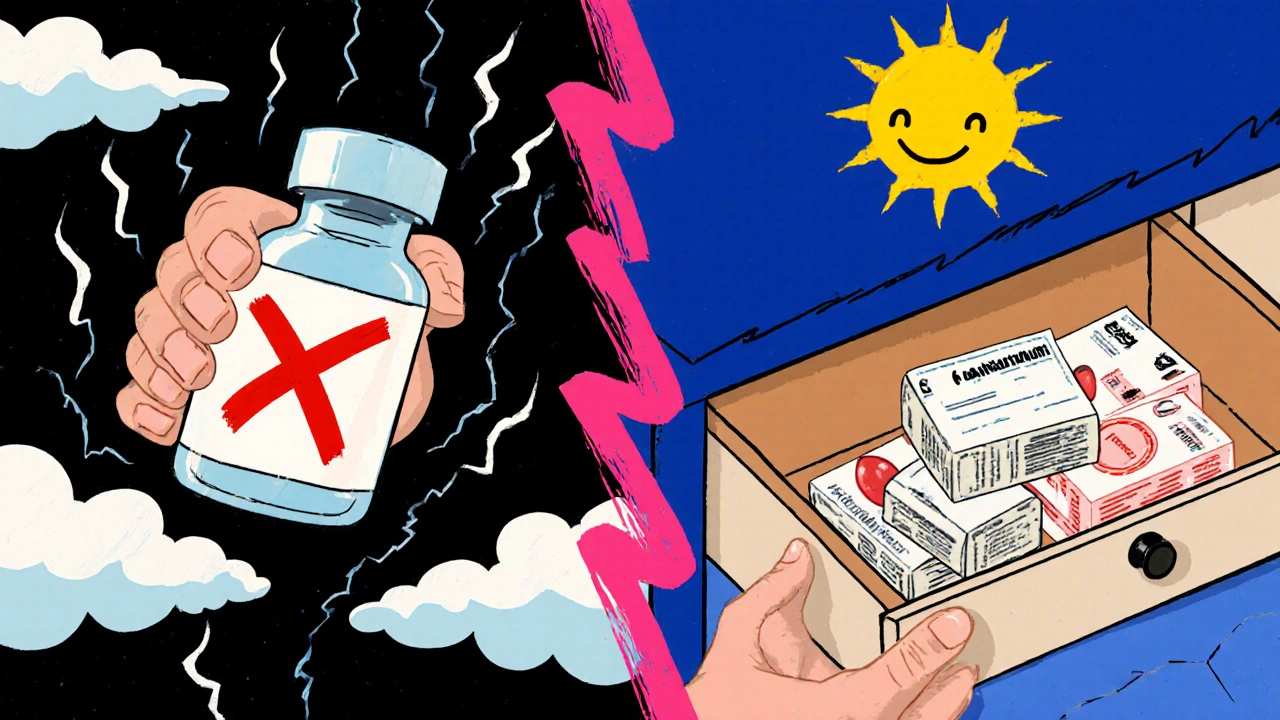
This is the most important part: some expired drugs are dangerous. Others are just weak. You can’t treat them the same.Never use expired versions of these:
- Insulin
- Thyroid medications (like levothyroxine)
- Birth control pills
- Anti-platelet drugs (like aspirin or clopidogrel)
- Antibiotics (especially for serious infections)
- Liquid medications (syrups, eye drops, injectables)
Why? Insulin that’s lost potency can cause dangerously high blood sugar. Thyroid meds that are weak can throw your whole metabolism off. Birth control pills that don’t work? Risk of pregnancy. Antibiotics that aren’t strong enough? They won’t kill the infection-and instead, they train bacteria to resist future treatment. Liquid meds can grow bacteria or break down into toxic chemicals. The CDC warns that expired liquids are among the riskiest.
On the other hand, a 6-month-old bottle of ibuprofen or antihistamine (like Zyrtec or Benadryl) might just be less effective. It won’t hurt you-it might just not help as much. For a mild headache or runny nose? That’s a different risk calculation than for a heart condition.
Check the Form and the Look
If you’re stuck with an expired pill, inspect it. No lab? No problem. You can still spot red flags.Look for:
- Discoloration (yellow, brown, or blotchy spots)
- Cracks, crumbling, or unusual hardness
- Stickiness or melting (especially with gel caps)
- Unusual odor (rancid, chemical, or sour smell)
- Cloudiness or floating particles in liquids
If any of these are present, throw it out. Even if it’s only 2 months past expiration, something’s wrong. Some degradation happens invisibly-no color change, no smell-but if you see physical damage, the risk jumps. Solid tablets in good shape are your safest bet.
How Long Is Too Long?
There’s no universal answer, but here’s a practical rule based on real-world data:- Under 6 months past expiration? Low risk for stable, solid OTC meds (like pain relievers, allergy pills).
- 6-12 months? Proceed with caution. Check for physical changes. Consider if the treatment is critical.
- Over 12 months? Avoid unless it’s a last resort-and even then, avoid anything listed above as dangerous.
Manufacturer data shows Tylenol (acetaminophen) can lose up to 20% potency after just 2-3 years past its printed date. That’s not a huge drop for occasional headaches. But if you’re treating a fever in a child or managing chronic pain, that 20% could mean the difference between relief and suffering.
For antibiotics, even a small drop in potency is dangerous. The FDA warns expired antibiotics can lead to treatment failure and antibiotic resistance. That’s not just about this one infection-it’s about making future infections harder to treat for everyone.
Storage History Matters-Even If You Don’t Know It
You might not remember if that bottle sat in a hot car last summer or a steamy bathroom for years. But that history affects safety more than the expiration date.Heat and moisture break down chemicals faster. A pill stored at 80°F with 70% humidity can degrade in months. The same pill in a cool, dry drawer might last years. If you don’t know the storage history, assume the worst. That’s why emergency responders don’t use expired meds unless they’re sure they were kept in stable conditions.
When Is It Worth the Risk?
Ask yourself these questions:- Is this a life-threatening condition? (Heart attack, severe infection, anaphylaxis) → Don’t use expired meds.
- Is this a minor issue? (Headache, mild allergy, heartburn) → Maybe, if it’s under 6 months expired and looks fine.
- Is this a medication with precise dosing needs? (Insulin, thyroid, seizure meds) → Never.
- Is this a liquid, eye drop, or injection? → Never.
- Is the patient a child, elderly, or immunocompromised? → Higher risk. Avoid if possible.
There’s no perfect answer. But if you’re choosing between no treatment and a slightly expired, solid, OTC pill for a minor symptom? The risk is low. The benefit might be real.
What You Can’t Do
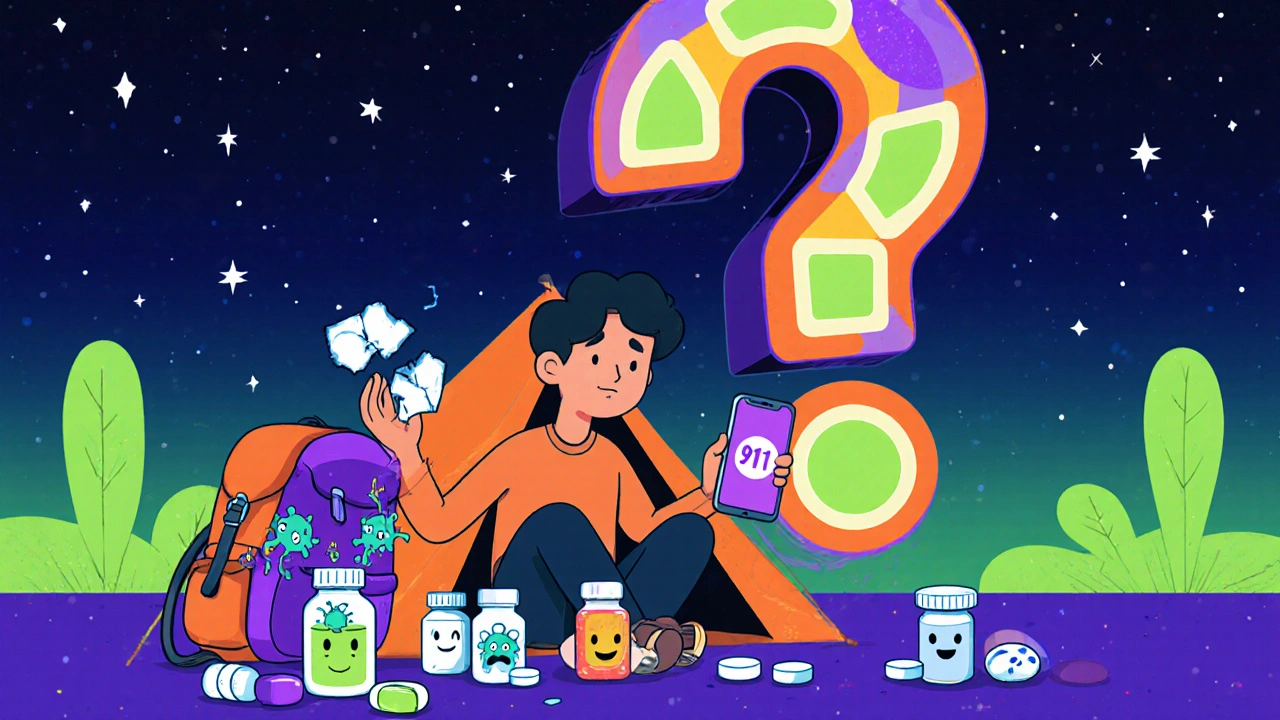
Don’t try to test potency at home. No app, no DIY kit, no smell test can tell you if a pill still works. The FDA says there are no reliable consumer tools for this. And don’t assume “it’s still good because it’s in the original bottle.” That bottle doesn’t protect it from heat or humidity.Also, don’t rely on the FDA’s 15-year safety claim unless you know the drug was stored like a military stockpile-in controlled, climate-regulated conditions. Your attic or glove box doesn’t qualify.
What to Do Instead
The best strategy isn’t risk assessment. It’s prevention.- Check your medicine cabinet every 6 months. Toss expired pills.
- Store meds in a cool, dry place-like a bedroom drawer, not the bathroom.
- Buy only what you need. Don’t stockpile.
- Use pharmacy take-back programs to dispose of old meds safely.
Washington State’s 2023 health report found 82% of emergency visits involving expired meds could’ve been avoided with simple rotation and disposal. That’s not just a tip-it’s a lifesaver.
Final Rule: When in Doubt, Don’t Use It
There’s no shame in going without a pill for a day. There’s huge risk in taking something you’re not sure about.Expired meds might work. They might not. They might harm you. The only safe answer is: use them only when there’s absolutely no other option. And even then, pick the least dangerous one. Avoid anything that needs precision. Avoid liquids. Avoid anything for chronic or life-threatening conditions.
If you’re ever in doubt, call a pharmacist. They’re trained to help with this exact question. And if you’re in a crisis with no access to care? Call emergency services. They’ll find a way. Your life is worth more than a pill that’s a few months past its date.
Is it safe to take expired painkillers like ibuprofen or acetaminophen?
For solid tablets stored in cool, dry places, expired ibuprofen or acetaminophen are usually safe to take if they’re less than 6 months past expiration and show no signs of damage. However, they may be less effective-up to 20% weaker after a few years. Don’t use them for serious pain or if you’re pregnant, have liver disease, or are elderly. If the pills are discolored, crumbly, or smell odd, throw them out.
Can expired antibiotics still work?
No. Expired antibiotics should never be used. Even if they look fine, their potency drops unpredictably. Taking a weakened antibiotic won’t kill the infection-it might only make bacteria stronger, leading to antibiotic resistance. This puts your health-and others’-at risk for future infections. Always get a new prescription.
What about expired insulin or thyroid medication?
Never use expired insulin or thyroid meds. Insulin loses potency quickly and can cause dangerous blood sugar spikes or drops. Thyroid medication that’s too weak can lead to fatigue, weight gain, heart issues, or even heart failure. These drugs require exact dosing. Even a small drop in strength can be life-threatening. Always replace them immediately.
Are liquid medications more dangerous when expired?
Yes. Liquid medications-like syrups, eye drops, and injectables-are far riskier than pills. They can grow bacteria, mold, or break down into toxic chemicals. The CDC explicitly warns against using any expired liquids. Even if they look clear, they’re not safe. Throw them away and get a new prescription.
Can I extend the expiration date of my meds?
No. Pharmacists and doctors cannot legally extend expiration dates. Only government programs like the U.S. Department of Defense’s Shelf Life Extension Program have tested and extended dates for military stockpiles under strict conditions. Consumers have no legal or safe way to do this. Don’t try to guess or mark new dates on bottles.
What should I do if I have no access to new medication?
If you’re in an emergency with no access to new meds, contact emergency services or a poison control center immediately. For minor issues like headaches, wait it out. For chronic conditions like diabetes or epilepsy, seek help-even if you’re far from a clinic. Many communities have mobile clinics or telehealth services that can help. Never risk your life with expired meds unless it’s a last resort for a minor symptom-and even then, avoid anything dangerous like insulin or antibiotics.


November 29, 2025 AT 05:26 AM
I’ve kept a bottle of ibuprofen from 2020 in my emergency kit. It’s in a drawer, dry, no sun. Took one last winter when I had a killer headache and the pharmacy was closed. Felt fine. Not sure if it was 100%, but it did the job. Better than nothing, right?
November 29, 2025 AT 13:18 PM
This is such a needed conversation. So many people panic or just ignore expiration dates entirely. I love how you broke it down by risk level - especially the part about liquids and insulin. I keep a little log in my phone of when meds expire now. Small habit, huge safety win.
Also, storing meds in the bathroom is basically a science experiment gone wrong. Who even does that? 😅
November 30, 2025 AT 00:59 AM
lol the fda says 90% are still good after 15 years?? sure buddy. they also said cigarettes were safe in 1950. corporations dont care if you live or die as long as you buy more. my grandpa took expired aspirin for 40 years and lived to 98. they’re lying to sell you new pills. #pharmabullshit
December 1, 2025 AT 06:35 AM
Don't use expired meds. Period. If you can't afford new ones, go to a free clinic. This post is just encouraging dangerous behavior.
December 2, 2025 AT 04:09 AM
In rural India, expired meds are often the only option. We assess by appearance - no discoloration, no odor. For mild fever or pain, we use it. For anything serious, we walk 10km to the clinic. Survival isn't about labels. It's about context.
December 2, 2025 AT 10:45 AM
Love this breakdown! I’ve started teaching my teens how to check their medicine cabinet - it’s such a practical life skill. One of them found an old bottle of Benadryl and asked if it was still good. We checked the color, smell, date… and tossed it. Safe > sorry.
Also, pharmacy take-back programs are underrated. Go check yours - they’re free and eco-friendly!
December 3, 2025 AT 22:25 PM
This is all a psyop. 💉 The gov’t wants you to buy new pills so Big Pharma can profit. Your insulin? Probably fine. They just scare you so you keep buying. 🤡 #ExpiryGate
December 5, 2025 AT 07:01 AM
My dad was a paramedic for 30 years. He said they’ve used expired meds in disasters - like after hurricanes or wildfires - when no other options exist. But they always pick the least risky ones: solid oral tablets, under a year expired, no physical damage.
They never use liquids, insulin, or antibiotics. And they document everything. It’s not about being reckless - it’s about triage.
December 7, 2025 AT 07:00 AM
As someone who’s traveled through 12 countries, I’ve seen people use expired meds everywhere - and mostly, they’re fine for minor stuff. But I always tell folks: if it’s for your heart, your brain, or your baby - don’t risk it.
And hey, if you’re in a pinch, ask a local pharmacist. They’re often more helpful than the doctor. Just smile, say ‘salaam’ or ‘hola,’ and they’ll help you.
December 8, 2025 AT 02:20 AM
Let’s be real - expiration dates are arbitrary, bureaucratic, and often profit-driven… BUT - the fact that the FDA and CDC are so adamant about avoiding liquids and insulin? That’s not corporate fear-mongering. That’s chemistry. That’s pharmacokinetics. That’s real science.
And yes - storage matters more than the date. A pill in a hot car for 3 weeks is worse than one in a drawer for 5 years. But here’s the catch: you don’t know the history. So you assume worst-case. That’s not paranoia. That’s rational risk assessment.
And for the conspiracy folks: if expired meds were universally safe, why does the DoD spend millions testing them? Why does WHO issue guidelines? Why do hospitals have strict disposal protocols?
It’s not about control. It’s about minimizing harm. And sometimes - the most responsible thing you can do… is wait.
And yes - I typed this with three typos. I’m human. But I still wouldn’t take expired antibiotics.