Levothyroxine Absorption & Interaction Checker
Select Your Scenario
Choose the medication combination you are currently using or considering.
Absorption Analysis
Optimal Absorption
Your stomach is acidic enough to dissolve the tablet effectively. The hormone enters your bloodstream efficiently.
Recommended Action:
- Continue current regimen.
- Monitor TSH levels annually.
Are you taking levothyroxine for your thyroid, and also popping a pill to settle your stomach acid? If so, you might be unknowingly sabotaging your treatment. This isn't just a minor side effect; it is a widespread chemical clash that leaves millions of patients feeling tired, gaining weight, and wondering why their blood tests keep coming back abnormal despite sticking to their medication schedule.
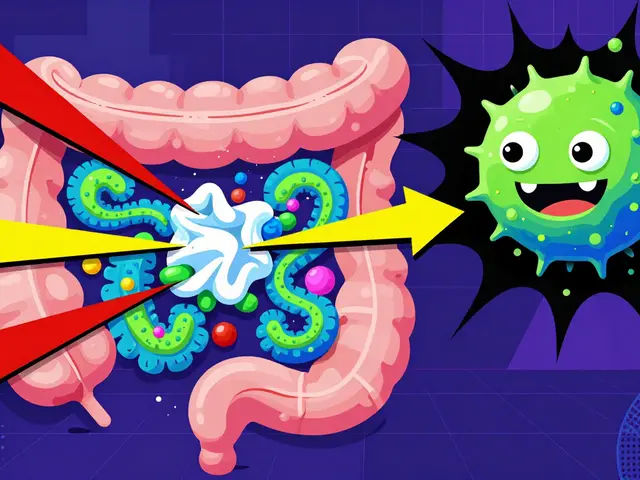
The core issue lies in how these two very different drugs interact inside your stomach. One needs an acidic environment to work, while the other’s entire job is to destroy that acidity. When they meet, the result is often poor absorption of your thyroid hormone, leading to elevated Thyroid-Stimulating Hormone (TSH) levels and a return of hypothyroid symptoms.
Why Acid Matters for Thyroid Medication
To understand this interaction, we first need to look at what levothyroxine actually is. It is a synthetic form of thyroxine, or T4, which is the primary hormone produced by your thyroid gland. Since its approval by the FDA in 1955, it has become the gold standard for treating hypothyroidism, a condition where the thyroid doesn't produce enough hormone. Millions of people take it daily because their bodies simply cannot function without that extra boost.
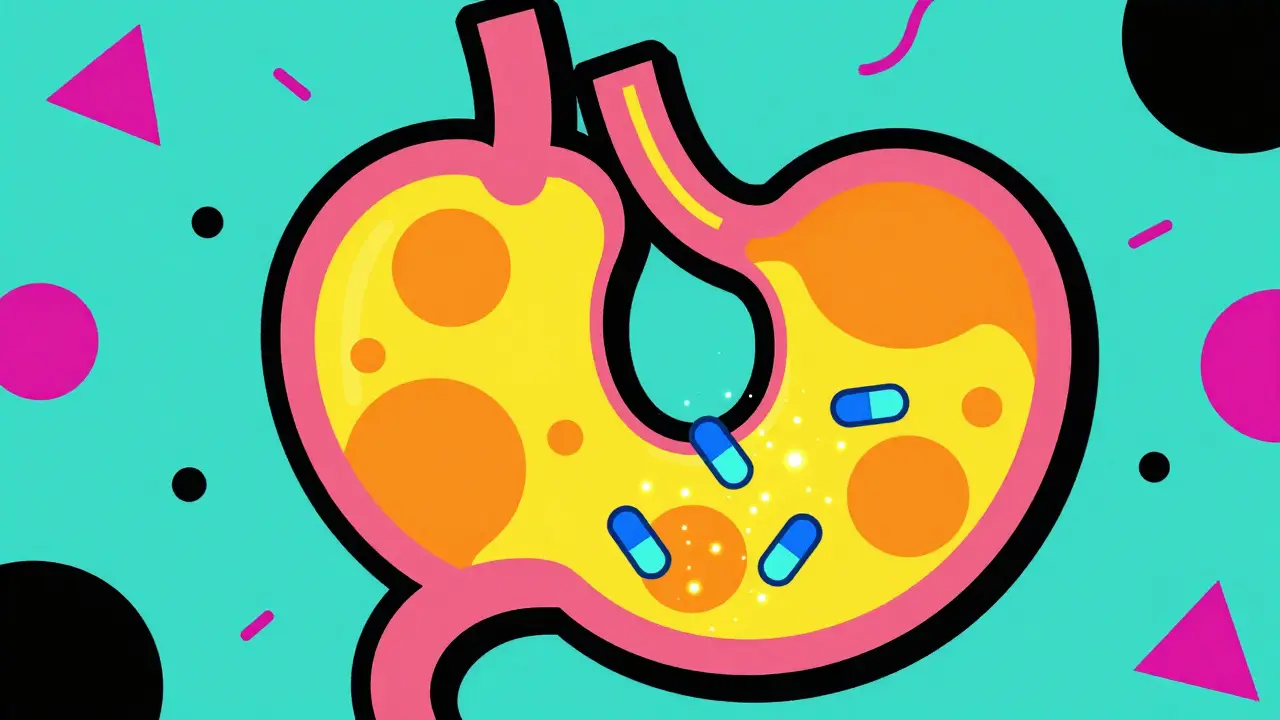
However, levothyroxine is not magic; it follows the laws of chemistry. For your body to absorb the hormone from the tablet into your bloodstream, the pill must dissolve. This dissolution process requires an acidic environment. Your stomach naturally produces strong hydrochloric acid, creating a pH level between 1 and 2. This high acidity breaks down the tablet coating and helps the hormone release effectively so it can be absorbed in the small intestine.
Enter the Proton Pump Inhibitor, or PPI. These drugs, introduced in 1989 with omeprazole, are designed to do the exact opposite of what levothyroxine needs. PPIs block the H+/K+ ATPase enzyme system in your stomach's parietal cells. Think of these enzymes as pumps that push acid into your stomach. By inhibiting them, PPIs drastically reduce acid production, raising the stomach's pH to a more neutral range of 4 to 6. While this is fantastic for healing ulcers or stopping heartburn, it creates a hostile environment for levothyroxine absorption.
The Evidence: What the Data Shows
This isn't just theoretical; the clinical data is overwhelming. A systematic review published in the Journal of General Internal Medicine in 2021 analyzed seven major studies involving thousands of patients. The conclusion was clear: taking PPIs alongside levothyroxine consistently raises TSH levels. Elevated TSH indicates that your brain is screaming at your thyroid to work harder because it isn't getting enough hormone signal. In simple terms, the PPI is blocking the levothyroxine from doing its job.
Specific brands like omeprazole (Prilosec), esomeprazole (Nexium), and pantoprazole (Protonix) are frequently implicated. A prospective study from 2023 looked specifically at pantoprazole. Researchers gave 40mg of the drug daily to patients who were previously stable on levothyroxine. After just six weeks, those patients showed significant spikes in TSH. This proves that even short-term use can disrupt your hormonal balance if you aren't monitored closely.
| Drug Name | Brand Examples | Effect on Stomach pH | Risk Level for Levothyroxine |
|---|---|---|---|
| Omeprazole | Prilosec | Raises significantly | High |
| Esomeprazole | Nexium | Raises significantly | High |
| Pantoprazole | Protonix | Raises significantly | High |
| Famotidine | Pepcid | Mild reduction | Low / Negligible |
Does Timing Solve the Problem?
You might have heard advice suggesting you just space out your medications. "Take your thyroid pill in the morning and your acid reducer at night," some doctors say. Unfortunately, science suggests this strategy often fails.
PPIs don't just stop working after a few hours. They bind irreversibly to the acid pumps in your stomach. It takes days for your body to generate new pumps. Some formulations suppress acid production for up to 72 hours. The 2023 pantoprazole study mentioned earlier tested exactly this scenario. Patients took their PPI either simultaneously with levothyroxine or 30 minutes before dinner. The result? No significant difference in TSH elevation. The acid suppression was too profound and too long-lasting for simple timing tricks to overcome.
While some older guidelines suggested a four-hour gap, current expert consensus leans toward the idea that separation is ineffective for chronic users. Relying on timing alone can leave you under-treated for months or years.
Practical Solutions for Patients
If you need both medications, you aren't out of options. There are three main paths forward, each with trade-offs regarding cost, convenience, and efficacy.
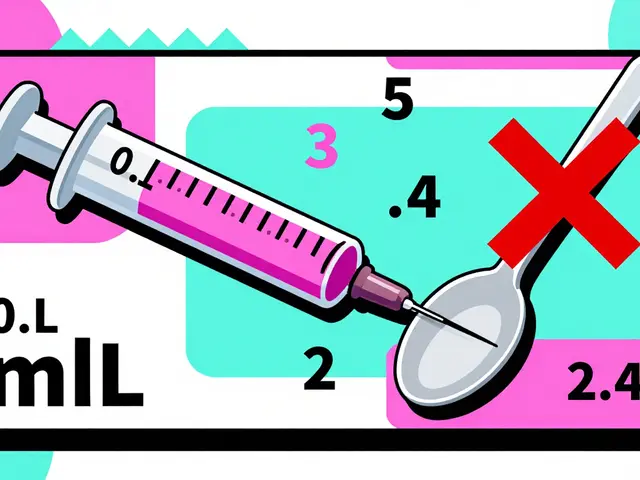
- Dose Adjustment: The most common approach is simply increasing the levothyroxine dose. According to data from the Mayo Clinic, about 15-20% of patients on PPIs need a higher dose. The average increase is modest-usually 12.5 to 25 micrograms per day. However, this requires strict monitoring. You need baseline TSH testing before starting the PPI, then follow-up tests every 6-8 weeks until levels stabilize. About 43% of patients find their new stable dose within 12 weeks.
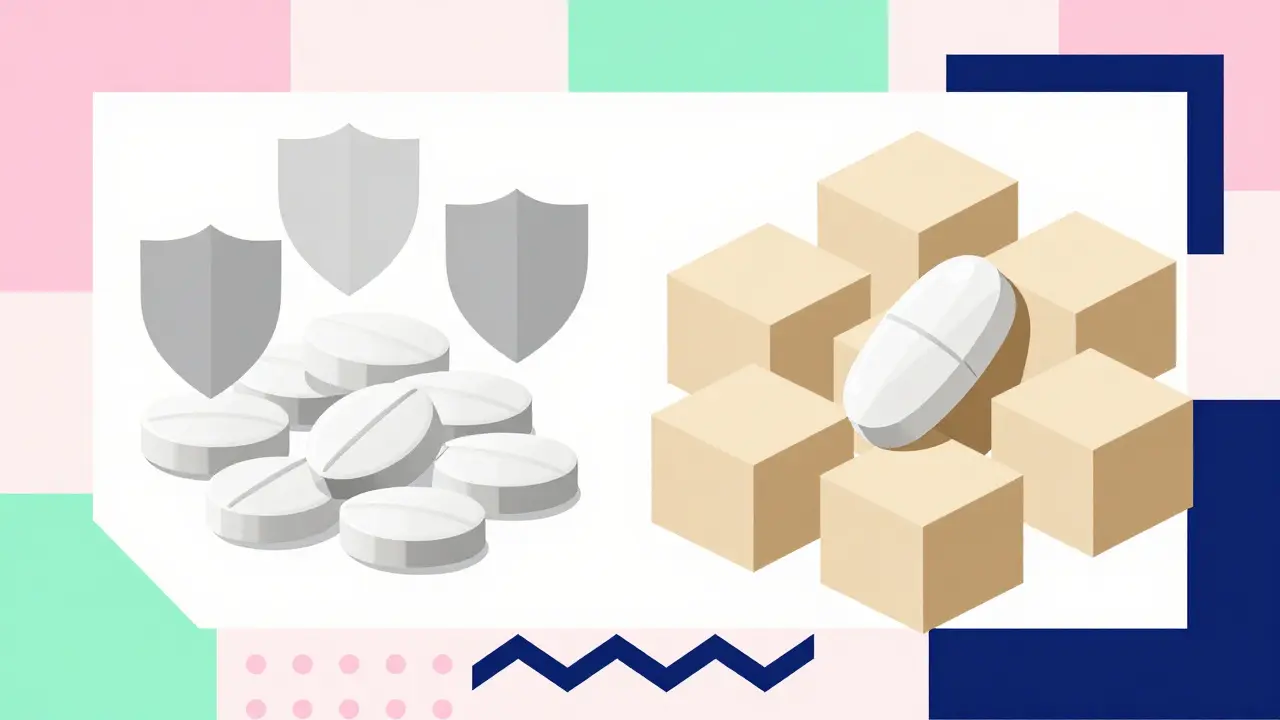
- Switch to Liquid Formulation: Liquid levothyroxine, such as Tirosint-SOL, is formulated with glycerin instead of fillers that require acid to break down. A 2019 study in the Journal of Clinical Endocrinology & Metabolism confirmed that liquid forms bypass the need for gastric acid entirely. This eliminates the interaction completely. The downside is cost. Generic tablets cost $15-$25 a month, while liquid formulations can run around $350 a month unless covered by insurance.
- Change the Acid Reducer: If your condition allows, switching from a PPI to an H2 receptor antagonist like famotidine (Pepcid) can help. H2 blockers reduce acid but less potently than PPIs. A 2018 study found no significant change in TSH levels when patients switched to famotidine. This is a great option for mild reflux, but it may not be strong enough for severe GERD or ulcers.
Who Is Most at Risk?
Not everyone will experience dramatic symptoms, but the risk is real for specific groups. The American Thyroid Association notes that this interaction affects nearly 2.7 million Americans annually. You are at higher risk if:
- You have been on PPIs for more than three months.
- You have Hashimoto’s thyroiditis, which already makes absorption tricky.
- You take other supplements like calcium or iron, which also compete for absorption.
- You notice a return of classic hypothyroid symptoms: unexplained fatigue, sensitivity to cold, dry skin, or stubborn weight gain.
User reports from patient communities highlight this reality. In an analysis of Reddit discussions, 68% of patients reported needing higher doses when on long-term PPIs. Many described feeling "foggy" or exhausted until their doctor adjusted their dosage. This anecdotal evidence aligns perfectly with the clinical data.
Monitoring and Next Steps
If you are currently taking both medications, do not stop either one abruptly. Instead, start a conversation with your healthcare provider. Ask for a TSH test if you haven't had one recently. If your TSH is higher than your target range, discuss whether a dose adjustment or a switch to a different acid-reducing therapy is appropriate.
For those considering starting a PPI, inform your doctor about your thyroid medication immediately. Establishing a baseline TSH level now will make it much easier to spot changes later. Remember, the goal is stability. With proper monitoring and potential formulation switches, you can manage both acid reflux and hypothyroidism effectively without compromising your health.
How long does it take for levothyroxine levels to stabilize after starting a PPI?
It typically takes 6 to 8 weeks for TSH levels to reflect changes in absorption. Therefore, doctors usually recommend retesting 6-8 weeks after starting a PPI or adjusting your levothyroxine dose. Full stabilization for most patients occurs within 12 weeks.
Can I take my PPI and levothyroxine at the same time?
Taking them together is generally discouraged because the PPI reduces the stomach acid needed to dissolve the levothyroxine tablet. However, spacing them apart often doesn't solve the problem due to the long-lasting nature of PPIs. Consult your doctor for the best timing strategy for your specific case.
Is liquid levothyroxine better than tablets for everyone?
Liquid levothyroxine is superior for patients with absorption issues caused by PPIs, bariatric surgery, or gut disorders because it doesn't require stomach acid to dissolve. However, it is significantly more expensive and may not be necessary for patients who do not have these specific absorption barriers.
What are the symptoms of low levothyroxine absorption?
Symptoms mirror those of untreated hypothyroidism: persistent fatigue, weight gain, feeling cold when others are warm, dry skin, hair loss, depression, and constipation. If you experience these after starting a new medication like a PPI, get your TSH checked.
Do H2 blockers like Pepcid interact with levothyroxine?
H2 blockers like famotidine (Pepcid) have a much weaker effect on stomach acid than PPIs. Studies show they generally do not cause significant changes in TSH levels or levothyroxine absorption, making them a safer alternative for patients with mild acid reflux.