Why You Stop Taking Your Medication (And Why It’s Not Just Forgetting)
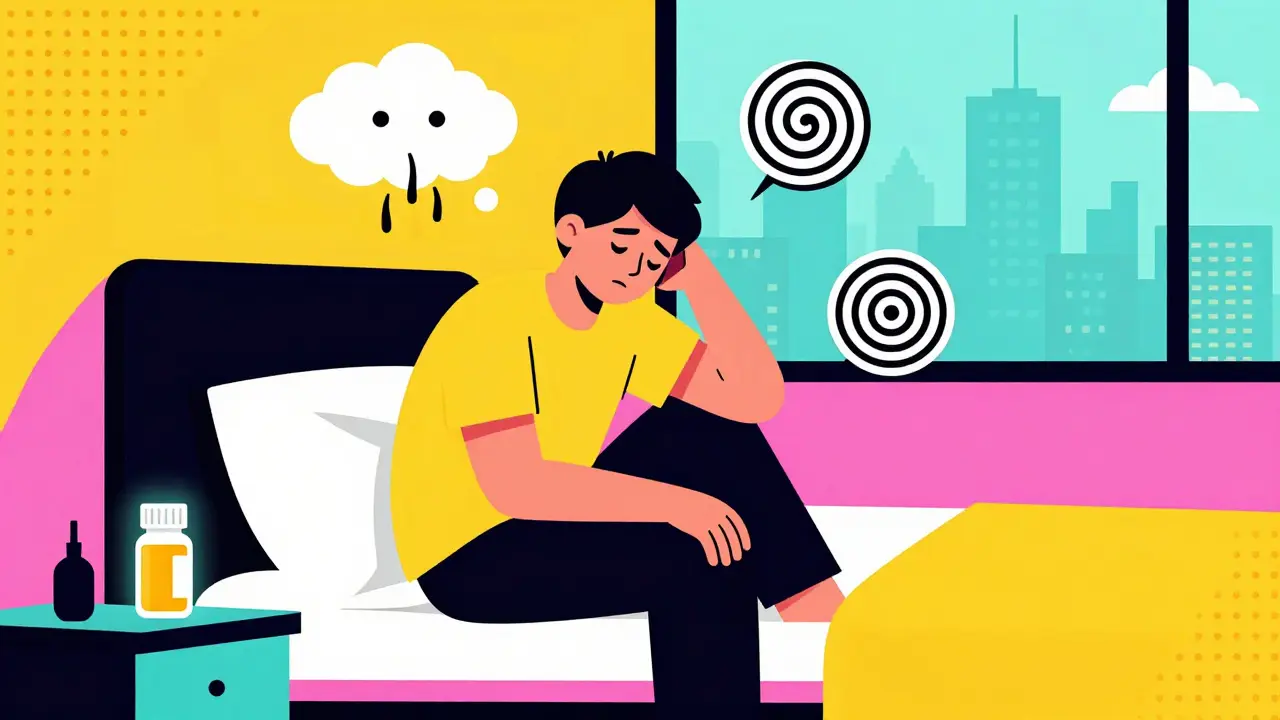
You know you need to take your pills. You’ve been told they’ll keep your blood pressure down, control your diabetes, or stabilize your mood. But then the nausea hits. Or the dizziness. Or the fatigue that makes you want to stay in bed all day. Suddenly, skipping a dose doesn’t feel like rebellion-it feels like survival.
It’s not laziness. It’s not ignorance. It’s not even denial. According to the National Library of Medicine, medication adherence means taking your drugs exactly as prescribed-right time, right dose, every day. And yet, nearly half of all people on long-term meds don’t do it. The World Health Organization has said this for over 20 years, and nothing has changed. In 2025, U.S. Pharmacist still reports that only about half of patients stick to their treatment plans. That’s not a small problem. That’s a public health crisis.
Side Effects Are the #1 Reason People Quit
People don’t stop taking meds because they forget. They stop because they feel worse on them than they did before.
Think about it: if you’re on a statin for cholesterol and you wake up with muscle pain so bad you can’t climb stairs, you’re going to question why you’re taking it. If your antidepressant gives you constant dry mouth and weight gain, and you’re already struggling with self-image, it’s easy to say, “I’d rather feel this way than feel like this.”
Frontiers in Pharmacology (2025) found that for every 100 people prescribed a chronic medication, only 25% are still taking it as directed after a year. Why? Side effects. The same study showed that patients with depression were twice as likely to skip their meds-not because they didn’t care, but because the side effects made them feel even more broken.
And it’s not just mental health. For people with high blood pressure, diabetes, or heart disease, side effects like dizziness, swelling, or digestive issues often lead to stopping cold turkey. A 2024 study from a:care congress showed that only 15% to 20% of prescriptions are refilled as directed. That’s not because people are bad patients. It’s because the side effects made the treatment feel worse than the disease.
The Hidden Cost of Skipping Doses
Skipping your meds doesn’t just mean your condition won’t improve. It means you’re putting your life at risk.
In the U.S. alone, nonadherence causes up to 125,000 preventable deaths every year. That’s more than traffic accidents. It’s also behind up to 69% of all medication-related hospital stays. And it’s not just about emergency rooms. It’s about slow, silent damage-higher HbA1c levels in diabetics, uncontrolled blood pressure leading to strokes, or worsening heart failure.
The economic toll is just as heavy. Every year, nonadherence costs the U.S. healthcare system between $100 billion and $300 billion. That’s not just hospital bills. It’s lost productivity, extra doctor visits, unnecessary tests, and failed treatments that had to be restarted because the patient didn’t stick with the first plan.
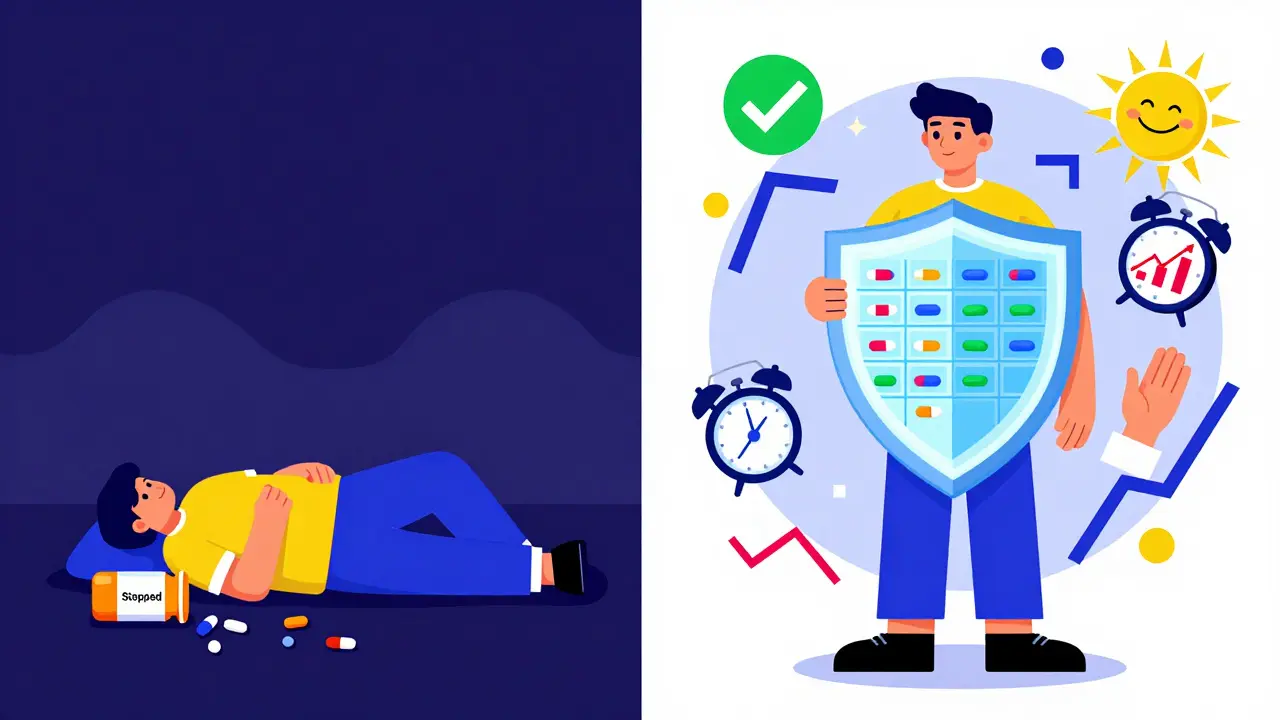
And here’s the cruel twist: when you stop taking your meds because of side effects, you’re not avoiding harm-you’re trading one kind of harm for a much bigger one.
What Works: Real Strategies That Actually Help
So what do you do when the side effects are real, and the consequences of stopping are worse?
First, don’t suffer in silence. Tell your pharmacist. Tell your doctor. Don’t wait until your next appointment. Call them now. Many people think side effects are “normal” or “just part of it,” but that’s not true. There are almost always ways to adjust.
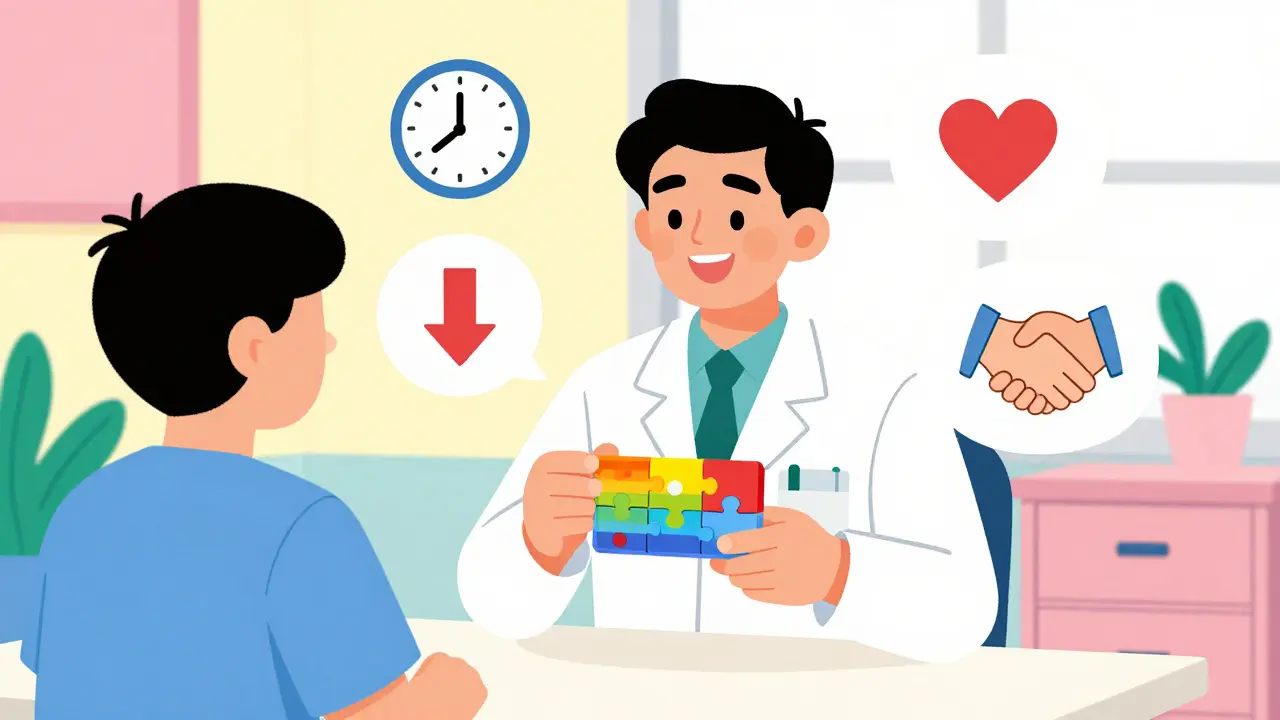
Pharmacists are your secret weapon. A 2025 U.S. Pharmacist review found that pharmacist-led interventions boosted adherence by up to 40%. How? They don’t just hand out pill organizers. They ask: “What’s actually bothering you?” Then they do one of three things:
- Switch you to a different drug with fewer side effects
- Adjust the dose to reduce discomfort
- Prescribe a second med to counteract the side effect (like anti-nausea pills for chemo patients)
One study showed that when pharmacists worked directly with patients to manage side effects, adherence jumped from 73.9% to 89.3%. That’s not a small win. That’s life-changing.
Simple Tools That Make a Big Difference
You don’t need fancy tech to stay on track. Sometimes, the simplest fixes work best.
- Pill boxes with days of the week: Use one with compartments for morning, afternoon, and night. Fill it every Sunday. If the pill’s still there on Tuesday, you know you missed it.
- Phone alarms: Set two. One for when you should take it. One as a backup 30 minutes later. Most people don’t need apps-just a basic alarm.
- Link it to a habit: Take your pill right after brushing your teeth, or with your morning coffee. Habit stacking works better than willpower.
- Ask for a 90-day supply: Fewer trips to the pharmacy mean fewer chances to say, “I’ll refill next week.”
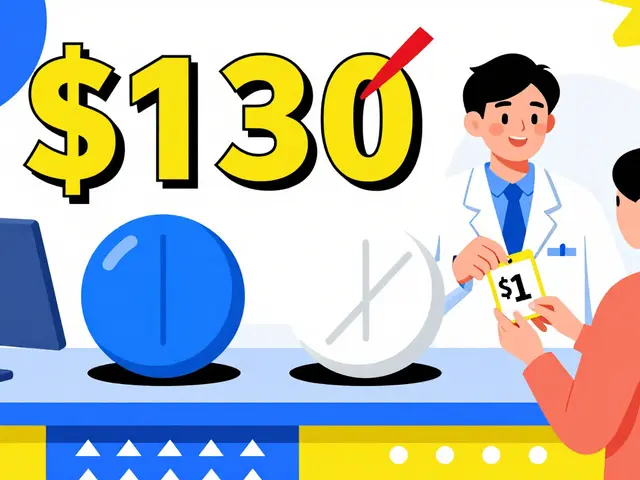
And if cost is an issue? Ask your pharmacist. Many drug manufacturers have patient assistance programs. Some pharmacies offer $4 generics. You don’t have to pay full price for life-saving meds.
Why Doctors Don’t Always Know You’ve Stopped
Here’s the uncomfortable truth: your doctor probably doesn’t know you’ve skipped doses. Not unless you tell them.
A 2025 study in the British Journal of Clinical Pharmacology found that pharmacists documented nonadherence only 52% of the time. Nurses did it 85% of the time. Doctors? 70%. That means nearly half the time, your doctor thinks you’re taking your meds-when you’re not.
Why? Because they’re busy. Because they assume you’re following instructions. Because they don’t ask the right questions.
So you have to speak up. Don’t wait for them to ask. Say: “I’ve been having trouble with the side effects. I’ve skipped a few doses. What can we do?”
That one sentence can change everything.
What to Do If You’re Already Off Track
If you’ve stopped taking your meds for days, weeks, or even months, don’t panic. Don’t feel guilty. Just act.
Step one: Call your pharmacist. Don’t go back to your doctor first. Pharmacists are trained to handle this. They know how to restart meds safely. Some drugs can’t just be restarted cold-like blood thinners or antidepressants. They need to be reintroduced slowly.
Step two: Write down what happened. What side effects did you get? When did they start? Did anything help (even a little)? Bring this list to your appointment.
Step three: Ask, “Is there a different medication that might work better for me?” There’s almost always an alternative. You don’t have to suffer through the first one.
It’s Not About Willpower-It’s About Design
The system isn’t designed for people to succeed. It’s designed for prescriptions to be written and filled. But adherence isn’t about discipline. It’s about removing barriers.
Imagine if your meds came with a side effect guide-like a warning label on a medicine bottle, but written in plain language. “This drug can cause dizziness. Take it at night. Avoid driving for the first week.” That’s not magic. That’s common sense.
Or imagine if your pharmacy called you after your first refill to ask, “How are you feeling? Any side effects?” That’s not extra work-that’s care.
Healthcare is starting to shift. Value-based care models now tie payments to how well patients stick to their plans. That means hospitals and insurers are finally investing in real solutions: AI tools that predict who’s at risk, digital reminders that adapt to your schedule, and pharmacists who follow up.
But you don’t have to wait for the system to fix itself. You can start today.
What to Say to Your Pharmacist
You don’t need to be an expert. Just be honest. Here are five simple phrases that work:
- “I’m having trouble with the side effects.”
- “I’ve missed a few doses because I felt worse.”
- “Is there another option that doesn’t cause this?”
- “Can we try a lower dose first?”
- “Can you help me set up reminders or a pill box?”
These aren’t requests. They’re invitations to help. And pharmacists are trained to say yes.
Final Thought: You’re Not Failing-The System Is
Medication adherence isn’t about being perfect. It’s about staying connected. If you miss a dose, don’t beat yourself up. Just get back on track the next day. If you’re struggling with side effects, don’t suffer alone. Talk to someone.
Every day you take your meds as prescribed, you’re not just managing a condition-you’re protecting your future. And you don’t have to do it alone.
Why do so many people stop taking their medications even when they know it’s important?
The main reason isn’t forgetting-it’s side effects. Many people feel worse on the medication than they did before. Nausea, fatigue, dizziness, weight gain, or mood changes can make the treatment feel worse than the condition. When people don’t feel better quickly, they assume the drug isn’t working-or is harming them. Without support, they stop.
Can side effects be managed without stopping the medication?
Yes, often. Pharmacists can adjust the dose, switch to a different drug with fewer side effects, or add a second medication to counteract the problem. For example, if a blood pressure drug causes dry cough, switching to a different class can eliminate it. If an antidepressant causes weight gain, adding a non-sedating stimulant or adjusting timing can help. The key is to speak up early.
How can I tell if I’m truly nonadherent or just having a bad week?
If you’ve missed more than two doses in a week, or skipped refills for two months straight, you’re likely nonadherent. But even one missed dose matters if it’s for a critical drug like insulin or blood thinners. Track your doses for a week using a simple calendar or app. If you see a pattern-like skipping pills on weekends or after meals-it’s not just a bad week. It’s a sign you need a new strategy.
Are there free or low-cost tools to help me remember my meds?
Yes. Many pharmacies offer free pill organizers. Your phone’s alarm app works perfectly. You can also use free apps like Medisafe or MyTherapy, which send reminders and let you log side effects. Some Medicare plans even mail out pre-filled blister packs with your monthly meds. Ask your pharmacist what’s available at no cost.
What should I do if I’ve stopped my meds and now feel worse?
Don’t restart on your own. Call your pharmacist immediately. Some medications, like antidepressants or steroids, need to be restarted slowly to avoid serious reactions. Your pharmacist can guide you on how to safely get back on track, and may even coordinate with your doctor to adjust your plan. Waiting can make things worse.
Is it true that pharmacists can help improve adherence?
Yes, and they’re often the best resource. Studies show pharmacist-led interventions improve adherence by up to 40%. They don’t just dispense pills-they ask questions, identify side effects, simplify regimens, and connect you with financial help. Many offer free follow-up calls or in-person check-ins. You don’t need a referral. Just walk in and ask for help.
Can side effects get worse over time?
Sometimes. Your body changes. As you age, your metabolism slows, and side effects can become more intense. Also, if you start taking new meds or supplements, interactions can cause new or worse side effects. That’s why regular check-ins with your pharmacist-even if you feel fine-are important. What was tolerable last year might not be now.
How do I know if my medication is even working?
For chronic conditions, you often won’t feel better-you’ll just stay stable. That’s the goal. But you can track progress. For blood pressure, check it at home weekly. For diabetes, monitor your HbA1c every 3-6 months. For cholesterol, get a blood test. If your numbers are improving, the med is working-even if you still feel tired. If they’re not, talk to your provider. It’s not about feeling great. It’s about staying safe.

January 18, 2026 AT 23:35 PM
I used to skip my blood pressure meds because I felt like a zombie. Then I started taking them at night. No more dizziness during the day. Small change, huge difference. Sometimes it's not about the drug-it's about when you take it.
January 20, 2026 AT 02:18 AM
I’m so glad someone finally said this. I’ve been on statins for five years, and the muscle pain was unbearable-until my pharmacist switched me to rosuvastatin. No more cramps. I wish doctors would refer us to pharmacists more often. They’re the real MVPs.
January 21, 2026 AT 06:06 AM
The statistical prevalence of nonadherence is indeed alarming, and the economic burden is quantifiably substantial. However, one must consider the epistemological framework underpinning patient autonomy: if a pharmaceutical intervention induces more harm than benefit, is adherence not a form of medical paternalism?
January 21, 2026 AT 23:59 PM
I appreciate the tone of this piece. It’s rare to see such a nuanced discussion that doesn’t blame the patient. I’ve worked with elderly patients who stop meds because they can’t swallow pills-or because they’re terrified of side effects they don’t understand. A simple conversation, not a lecture, changes everything.
January 23, 2026 AT 06:39 AM
I mean… like… have you ever just… felt so broken by your own body that the pill bottle becomes the enemy? I took antidepressants for 18 months and gained 40 pounds… I looked in the mirror and didn’t recognize myself… so I stopped… and yeah… I cried for three weeks… but I felt… freer? Like I was choosing me… even if it was stupid…
January 23, 2026 AT 20:52 PM
This is all part of the pharmaceutical-industrial complex. They design drugs to make you dependent, then charge you for the side effect remedies. The real solution? Fasting, herbalism, and sunlight. But the FDA won’t tell you that because Big Pharma owns them. Your pills are poison. Your doctor is their pawn.
January 25, 2026 AT 14:59 PM
Honestly? I’m tired of Americans acting like they’re the only ones who struggle with this. In Canada, we have universal healthcare and pharmacists who actually call you. Here? You’re lucky if your pharmacy doesn’t charge you $300 for a 30-day supply. This isn’t a personal failure-it’s a systemic collapse.
January 25, 2026 AT 15:59 PM
The adherence crisis is a direct consequence of biochemical dependency engineered by pharmaceutical entities. The DSM-5 is a monetized taxonomy of human suffering, and your SSRIs are designed to create chronic dysregulation so you remain a revenue stream. You think you’re healing? You’re being farmed.
January 26, 2026 AT 03:43 AM
I stopped my meds because I was tired of feeling like a lab rat. Now I’m fat and tired and my blood pressure is sky high but at least I’m not on some corporate drug treadmill. Who even decided this was okay? I’m not a statistic I’m a person
January 27, 2026 AT 09:11 AM
I missed a week of my diabetes meds last month because I was scared to tell my doctor I’d been skipping them. When I finally went in, she didn’t yell. She just said, ‘Tell me what’s hard.’ I cried. Then she switched me to a cheaper pill that doesn’t make me dizzy. I’m still on it. I’m still alive. Don’t suffer alone.
January 28, 2026 AT 11:28 AM
I’m a nurse from rural Kentucky. I’ve seen grandmas skip insulin because they can’t afford the co-pay. I’ve seen veterans stop blood thinners because they’re afraid of bleeding out. We need more community pharmacists who drive to homes, not just dispense pills. Healing isn’t in a prescription bottle-it’s in someone showing up.
January 30, 2026 AT 00:05 AM
You’re not weak for struggling. You’re human. I used to feel guilty for missing my antidepressant doses until I realized: my brain wasn’t broken-it was overwhelmed. I started using a pill box with colors. I set alarms for ‘coffee time.’ I told my pharmacist I needed help. And guess what? I got it. You can too.
January 30, 2026 AT 18:09 PM
The real tragedy isn’t the nonadherence-it’s that we’ve reduced human experience to a compliance metric. We measure success in percentages, not in lived dignity. If taking a pill means losing your sense of self, is it really treatment-or just chemical obedience?
February 1, 2026 AT 03:54 AM
I’ve been on the same med for 12 years. The side effects? Still there. But now I know: I can call my pharmacist anytime. No judgment. Just help. They sent me a free pill organizer last year. I still use it. It’s not fancy. But it keeps me alive. That’s enough.
February 2, 2026 AT 20:26 PM
To @6969: I get that you distrust the system. But my pharmacist saved my life. She didn’t sell me snake oil. She adjusted my dose. She found me a $4 generic. She called me back. That’s not a conspiracy-that’s care.