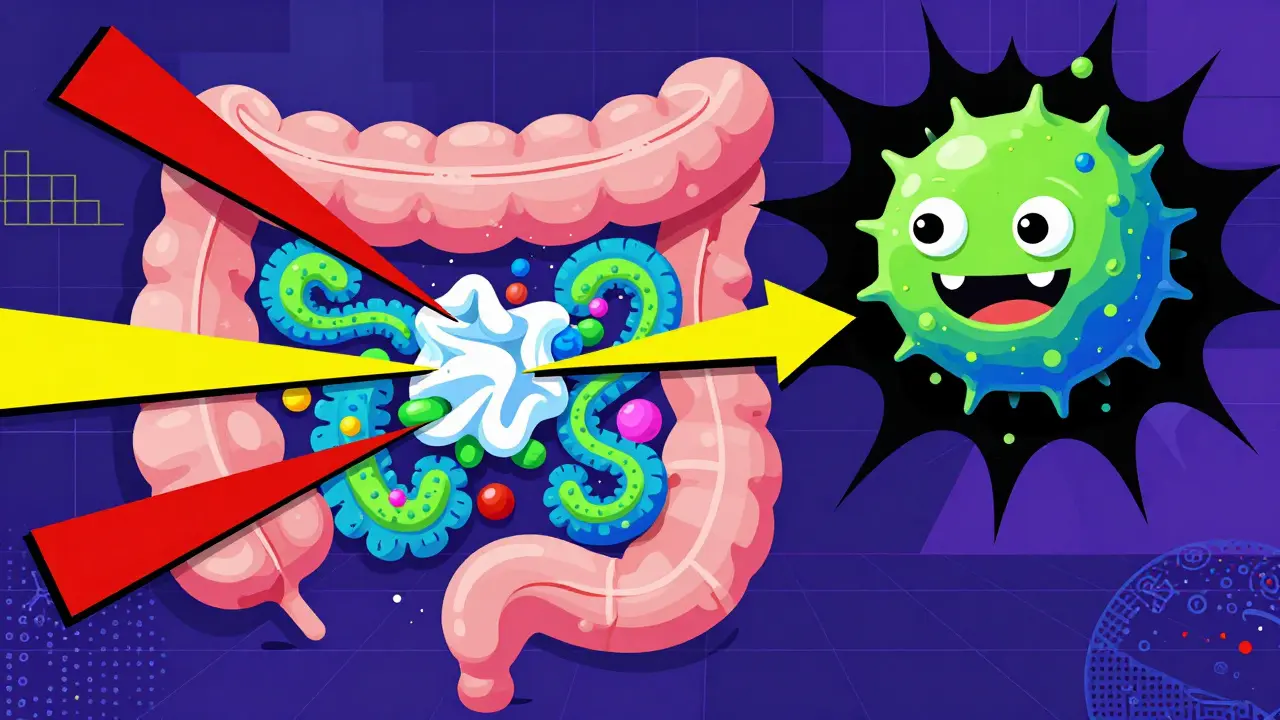
When you take an antibiotic for a sore throat or a sinus infection, you expect to feel better. But for some people, the very medicine meant to fix one problem ends up causing another - severe, watery diarrhea that won’t go away. This isn’t just a bad stomach bug. It’s often caused by Clostridioides difficile, or C. diff, a bacteria that takes over when antibiotics wipe out the good bugs in your gut.
What Happens When Antibiotics Disrupt Your Gut
Your intestines are home to trillions of bacteria, most of them harmless or even helpful. They digest food, make vitamins, and keep harmful microbes in check. But when you take an antibiotic - especially broad-spectrum ones like clindamycin, ciprofloxacin, or cephalosporins - you don’t just kill the bad bacteria. You also wipe out the good ones. That creates a vacuum. And C. diff, which can lie dormant as a tough spore in your gut or on hospital surfaces, is ready to move in. Once it takes hold, C. diff starts producing two powerful toxins: toxin A and toxin B. These toxins attack the lining of your colon, causing inflammation, swelling, and the classic symptom: frequent, watery diarrhea. In mild cases, you might have three to five loose stools a day. In severe cases, it can lead to bloody stools, intense abdominal pain, fever, and even life-threatening complications like colon rupture. The timing is tricky. Symptoms usually show up 5 to 10 days after starting antibiotics, but they can appear as early as the first day or as late as two months after finishing them. That’s why many people mistake it for a normal side effect. If you’re on antibiotics and suddenly have diarrhea, don’t assume it’s just your stomach being sensitive. It could be C. diff.Who’s at Highest Risk?
Not everyone who takes antibiotics gets C. diff. But some groups are far more vulnerable. People over 65 are at the greatest risk - they make up about 80% of all cases. Their immune systems are weaker, their gut microbiomes are less resilient, and they’re more likely to be in hospitals or long-term care facilities where C. diff spores are common. Older adults also face 10 to 15 times higher death rates from C. diff than younger people. Hospital stays are another big factor. Each extra day in the hospital increases your risk by about 1.5%. That’s because C. diff spores can survive for months on bed rails, doorknobs, and medical equipment. Standard cleaning wipes won’t kill them. Only EPA-registered disinfectants on List K - like bleach or hydrogen peroxide-based cleaners - can destroy the spores. People with inflammatory bowel disease (IBD), like Crohn’s or ulcerative colitis, are 4.2 times more likely to get C. diff. Their gut lining is already inflamed, and their immune response is altered. Even after surgery involving the intestines, the risk jumps to 8-12%. And here’s something many don’t realize: you don’t have to be in a hospital to catch it. Community-associated C. diff cases are rising. People who’ve never been hospitalized are getting infected after taking antibiotics at their doctor’s office or pharmacy.How Is It Diagnosed?
Testing for C. diff isn’t straightforward. You can’t just do a stool test and get a clear answer. That’s because up to 15% of healthy adults carry C. diff in their gut without symptoms. They’re colonized, not infected. Doctors use a two-step process. First, they test for glutamate dehydrogenase (GDH), a protein made by C. diff. If that’s positive, they follow up with a toxin test - either an enzyme immunoassay (EIA) or a nucleic acid amplification test (NAAT). The NAAT is more sensitive but can’t always tell if the bacteria are actively producing toxins. That’s why symptoms matter as much as test results. If you have diarrhea and a positive test, it’s likely C. diff. But if you’re asymptomatic and test positive, you probably don’t need treatment. Treating colonization doesn’t help and can make things worse.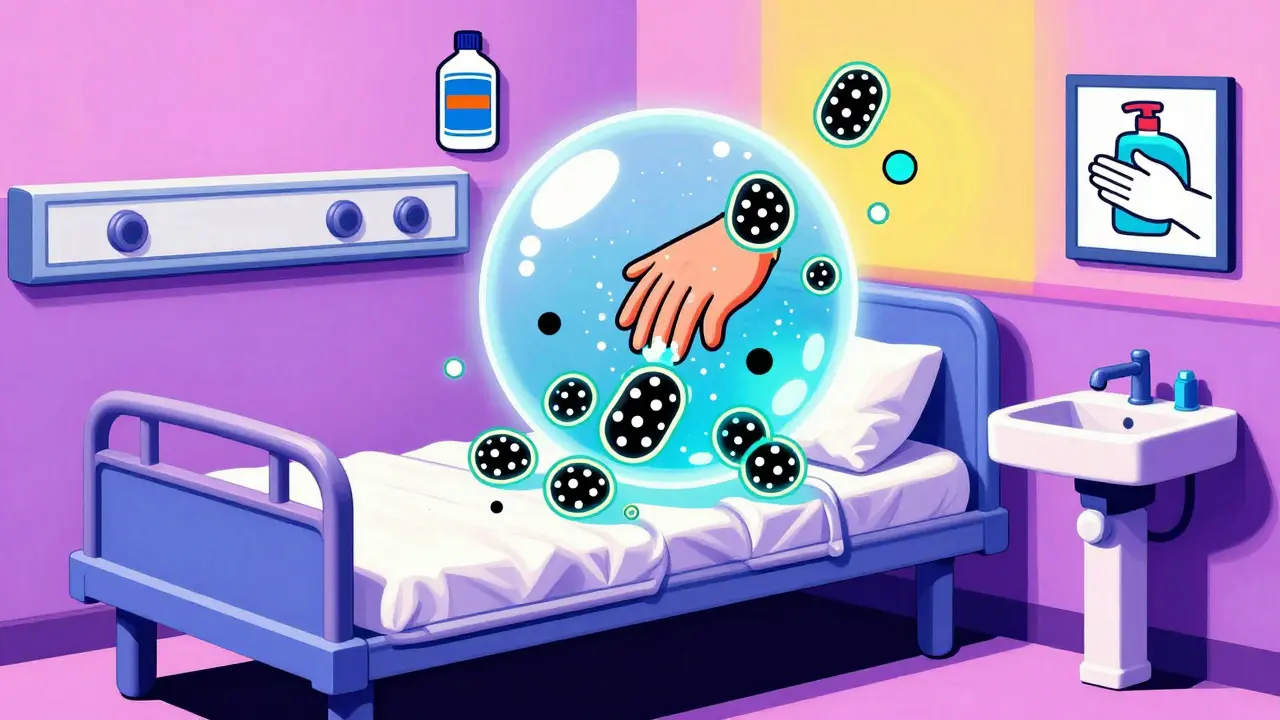
What’s the Best Treatment Now?
Treatment has changed dramatically in the last few years. A decade ago, metronidazole was the go-to drug. Now, it’s not even recommended as first-line treatment. Studies showed it fails more often than newer options and increases the chance of recurrence. Today, the top choices are:- Fidaxomicin (200 mg twice daily for 10 days): This is now the preferred first-line treatment. It kills C. diff without wiping out as many good gut bacteria. It reduces recurrence rates by nearly half compared to vancomycin.
- Vancomycin (125 mg four times daily for 10 days): Still effective, especially if fidaxomicin isn’t available. But recurrence rates are higher - about 25% vs. 15% with fidaxomicin.
Why Probiotics Don’t Work for Prevention (Anymore)
You’ve probably heard that taking probiotics while on antibiotics can prevent diarrhea. Many people still believe this. But the science doesn’t back it up for C. diff. A 2022 Cochrane review analyzed 39 trials with over 9,900 participants. It found that probiotics didn’t significantly lower the risk of C. diff infection. The risk reduction was too small to be meaningful (relative risk 0.80, confidence interval 0.60-1.06). That means it’s not reliable. The American College of Gastroenterology and the Infectious Diseases Society of America both now say: do not use probiotics to prevent C. diff. They might help with general antibiotic-associated diarrhea (the milder kind), but they don’t protect against the real threat. If you want to avoid C. diff, don’t rely on yogurt or supplements. Rely on smarter antibiotic use and better hygiene.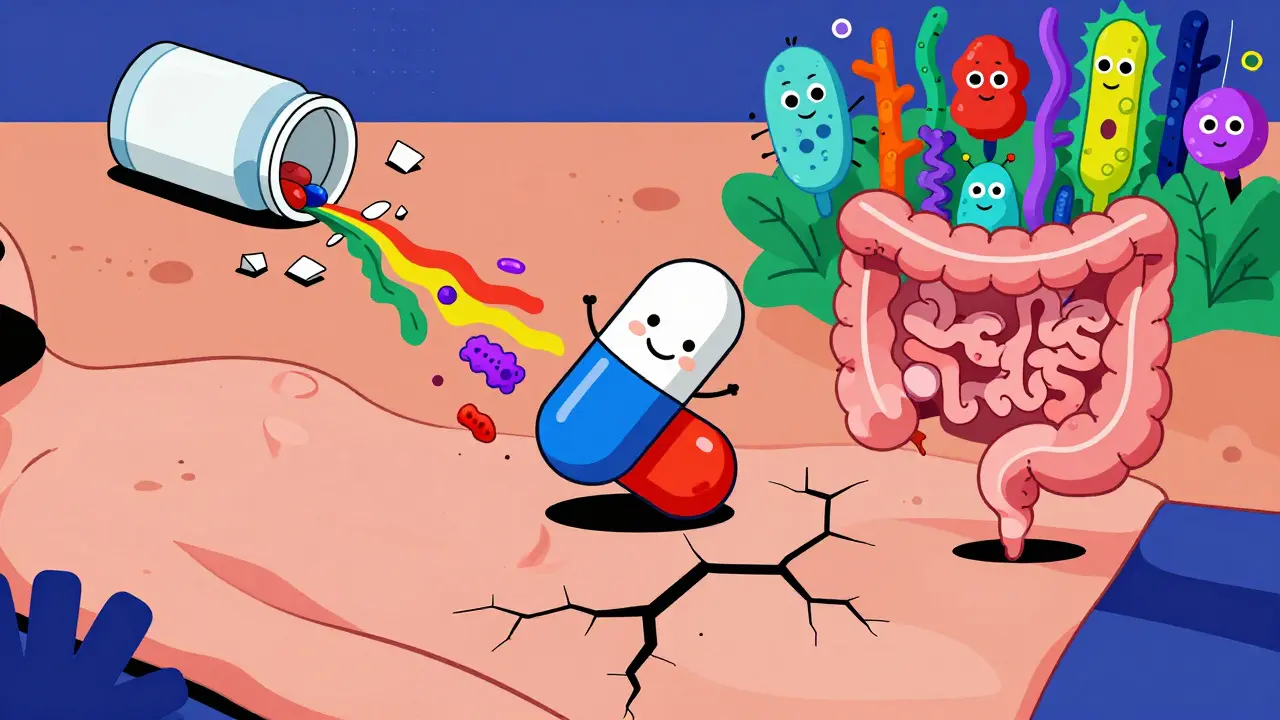
How to Prevent C. diff - The Real Ways
Prevention isn’t about pills or potions. It’s about behavior. 1. Use antibiotics only when necessary. Antibiotic stewardship programs in hospitals have cut C. diff rates by 25-30%. That means doctors stop prescribing antibiotics for viral infections like colds or flu. They choose narrow-spectrum drugs when possible. And they shorten treatment courses. If your doctor says you don’t need antibiotics, believe them. 2. Wash your hands with soap and water. Alcohol-based hand sanitizers don’t kill C. diff spores. Only soap and water can physically remove them. This is especially important after using the bathroom, before eating, and after visiting someone in the hospital. 3. Clean surfaces with the right disinfectants. In hospitals, rooms must be cleaned with EPA List K disinfectants. At home, if someone has C. diff, use bleach-based cleaners on toilets, doorknobs, and countertops. Don’t use regular all-purpose sprays - they won’t work. 4. Isolate infected patients. Hospitals use contact precautions: private rooms, gowns, gloves, and dedicated equipment. This reduces transmission by 40-50%. If you’re visiting someone with C. diff, follow the rules. Don’t touch surfaces and wash your hands when you leave. 5. Don’t take antibiotics unnecessarily after surgery. Prophylactic antibiotics are often given before surgery, but they should be stopped within 24 hours. Longer courses increase risk without added benefit.What Happens If It Comes Back?
Recurrence is the biggest problem. About 20-30% of people who get C. diff will have it again. And if you’ve had one recurrence, your chances of another jump to 40-60%. Each recurrence makes the next one harder to treat. That’s why the goal isn’t just to cure the current infection. It’s to prevent it from coming back. That’s why fidaxomicin and FMT are so important. They’re not just treatments - they’re prevention tools. If you’ve had two recurrences, FMT is strongly recommended. It’s safe, effective, and often life-changing. People who’ve struggled with repeated diarrhea for months often return to normal within weeks.The Bigger Picture
C. diff isn’t just a hospital problem. It’s a public health crisis. In the U.S., it causes nearly half a million infections every year and leads to 12,800 deaths. The cost? Over $4.8 billion in healthcare spending annually. The good news? We know how to stop it. Better antibiotic use. Better cleaning. Better diagnostics. And now, better treatments that restore the gut instead of destroying it. The next time you’re prescribed an antibiotic, ask: Is this really necessary? And if you or a loved one gets diarrhea while on antibiotics, don’t ignore it. Talk to your doctor. Test for C. diff. Early action saves lives.Can you get C. diff without taking antibiotics?
Yes, but it’s less common. While antibiotics are the biggest risk factor, you can get C. diff from contaminated surfaces, especially in hospitals or nursing homes. People with weakened immune systems or inflammatory bowel disease can also develop it without recent antibiotic use. Community-associated cases are rising, meaning even healthy people outside hospitals can catch it.
Is C. diff contagious?
Yes. C. diff spreads through the fecal-oral route. Spores from stool can get on hands, surfaces, or medical equipment. If someone touches a contaminated surface and then touches their mouth, they can become infected. That’s why handwashing with soap and water is critical - alcohol-based sanitizers don’t kill the spores.
Can you die from C. diff?
Yes, especially in older adults or those with other health problems. Severe C. diff can lead to toxic megacolon, sepsis, or colon rupture. About 12,800 people in the U.S. die from it each year. The risk is highest in people over 65, those with kidney disease, or those on immunosuppressants.
How long does C. diff last after treatment?
Most people start feeling better within a few days of starting treatment. But diarrhea can last up to two weeks. Even after symptoms go away, you may still carry spores in your gut for weeks or months. That’s why recurrence is common - the spores can reactivate if your gut environment changes again.
Should I avoid hospitals to prevent C. diff?
No - hospitals are essential for care. But you can reduce your risk. Ask if antibiotics are truly needed. Wash your hands with soap and water after using the bathroom and before eating. If you’re visiting someone with C. diff, follow infection control rules. Avoid touching surfaces unnecessarily. Hospitals that follow strict cleaning and antibiotic protocols have much lower rates.

January 29, 2026 AT 07:51 AM
Antibiotics are like nuking your gut with a thermonuclear bomb and then wondering why the weeds came back faster. C. diff doesn’t care about your prescription-it just waits in the dirt, ready to move in when the good guys are down. The real tragedy? We keep treating symptoms instead of rebuilding the ecosystem. FMT isn’t magic-it’s just giving your gut back its original crew.
January 30, 2026 AT 23:42 PM
Probiotics are a scam peddled by supplement companies who know zero about microbiology. The Cochrane review crushed that myth years ago. If you think yogurt prevents C. diff, you’re one step away from drinking bleach for ‘detox.’
January 31, 2026 AT 16:14 PM
Listen-don’t panic if you get diarrhea on antibiotics. But don’t brush it off either. Call your doc. Get tested. It’s not complicated. Early detection = way less suffering.
February 1, 2026 AT 02:05 AM
They’re lying about FMT. They’re hiding the truth. It’s not about bacteria-it’s about control. Big Pharma doesn’t want you to heal naturally. They want you on pills forever.
February 2, 2026 AT 22:41 PM
I had C. diff after a course of amoxicillin. Worst three weeks of my life. I didn’t know it could be this bad. Thank you for explaining what happened-I finally feel like someone gets it.
February 4, 2026 AT 09:57 AM
Interesting how the article conveniently ignores the fact that C. diff rates skyrocketed after the FDA began approving microbiome therapies. Coincidence? Or a slow pivot away from profit-driven antibiotics toward even more expensive ‘solutions’?
February 5, 2026 AT 19:36 PM
Of course the British NHS would never admit how much worse this is over here. We’ve got spores in our NHS toilets that predate the iPod. And yet they still use ‘standard cleaning wipes’ like it’s 1998. Pathetic.
February 6, 2026 AT 08:12 AM
So let me get this straight-we’re now treating gut infections with poop pills? And the FDA approved this? I mean… I guess if you’ve tried everything else…
February 6, 2026 AT 13:48 PM
My grandma got C. diff after hip surgery. She was fine until the antibiotics started. Now she’s on fidaxomicin and actually eating again. FMT saved her life. I wish more people knew this was real.
February 7, 2026 AT 02:32 AM
It’s funny how we think of bacteria as enemies. What if they’re just trying to survive in a world we keep poisoning? Maybe the real cure isn’t killing C. diff-but learning how to live with the whole ecosystem again.
February 7, 2026 AT 03:56 AM
Western medicine is a joke. You think a pill can fix what your body lost? In Nigeria, we use herbal teas, fasting, and ancestral wisdom. No one dies from diarrhea if you respect the body’s rhythm. But you? You want a $10,000 poop pill. 😒
February 9, 2026 AT 01:37 AM
The article claims SER-109 is ‘expensive and not widely available.’ That’s an understatement. It’s priced at $12,000 per course. Meanwhile, vancomycin costs $100. This isn’t innovation-it’s corporate exploitation dressed up as science.
February 10, 2026 AT 12:36 PM
Wash your hands. Not with sanitizer. With soap and water. Seriously. It’s that simple. I’ve seen nurses forget this-and then the whole floor goes down. Don’t be that person. Your grandma’s advice? Still the best advice.
February 12, 2026 AT 03:01 AM
My brother had three recurrences. FMT changed everything. He went from barely leaving the house to hiking again in two months. It’s not a last resort-it’s the smartest first move after the second time.
February 13, 2026 AT 20:23 PM
They’re hiding the truth. C. diff isn’t natural-it’s engineered. The spores? Modified in labs. The rise? Coincides with GMO crops and fluoridated water. Why do you think they push antibiotics so hard? To make you dependent. Wake up.
February 14, 2026 AT 19:41 PM
While the medical community continues to refine treatment protocols, it is imperative that public health messaging emphasizes antibiotic stewardship and hygiene as foundational interventions. The data is unequivocal: prevention remains the most effective strategy against recurrent infection.