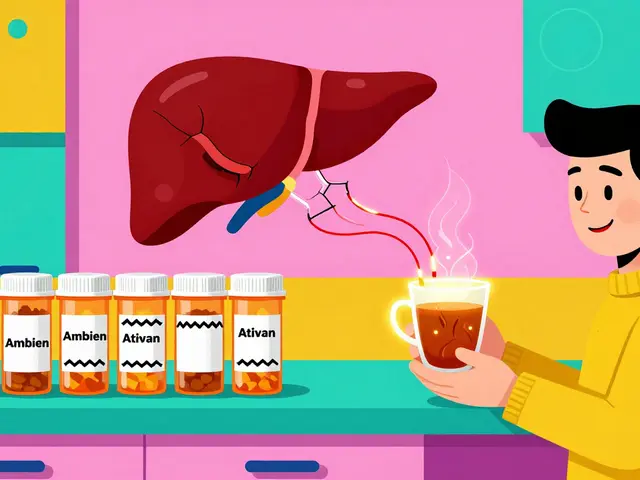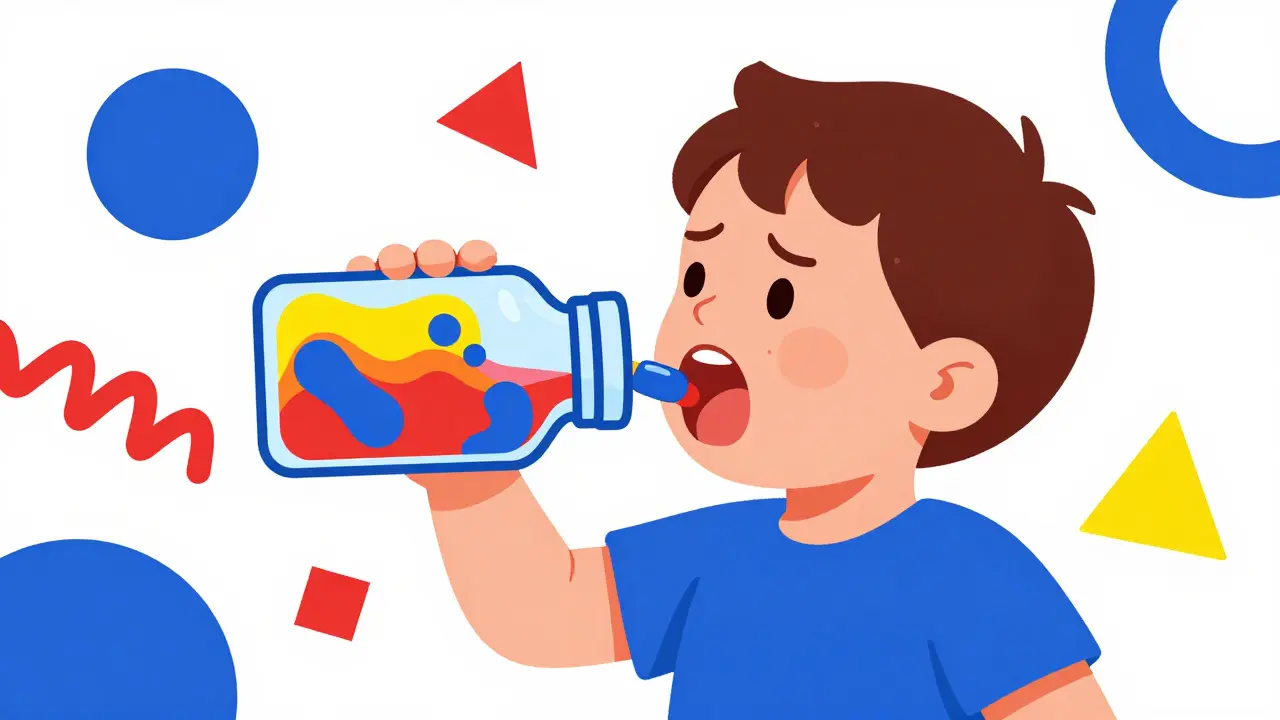
Imagine a parent trying to get their toddler to take medicine, only for the child to spit it out because the new bottle tastes bitter. Or picture a 78-year-old stopping their blood pressure medication because the pill changed color, assuming it was a mistake or a different drug entirely. These aren't just minor inconveniences; they are common barriers to health that arise when generic substitution is the clinical process of replacing a brand-name medication with a therapeutically equivalent generic alternative. While generics save the US healthcare system billions annually, communicating this switch effectively to vulnerable populations-specifically children and older adults-requires more than just handing over a prescription. It demands a strategic, empathetic approach that addresses unique physiological and psychological needs.
The core challenge lies in the gap between regulatory definitions and patient experience. The Hatch-Waxman Act is legislation passed in 1984 that established the Abbreviated New Drug Application pathway for generic drug approval allows manufacturers to prove bioequivalence is a measure showing a generic drug has similar absorption rates within 80-125% of the brand-name product rather than running full clinical trials. However, "therapeutic equivalence" does not always mean "identical experience." For pediatric and senior patients, small differences in formulation, taste, or appearance can lead to significant drops in adherence and increased health risks.
Understanding the Unique Barriers for Pediatric Patients
When dealing with children, the issue is rarely about cost savings-it’s about palatability and formulation. According to an FDA report from 2019, branded formulations are often specifically engineered to be "pediatric-friendly," available as sweet solutions, suspensions, or chewable tablets. In contrast, only 32% of generic versions offer these specific forms compared to 68% of brand-name drugs. This discrepancy creates a major hurdle for parents.
Consider the case of amoxicillin. A brand-name suspension might have a strawberry flavor that a two-year-old accepts easily. The generic version, while containing the same active ingredient, might use a different inactive filler that results in a bitter aftertaste. If a pharmacist simply says, "This is the same thing," without preparing the parent for the taste difference, the result is often refusal by the child and frustration for the caregiver. A 2022 discussion on Reddit’s r/Parenting forum highlighted this, with 64% of parents reporting negative experiences with generic substitutions due to taste aversion alone.
Furthermore, there is a significant evidence gap. Dr. Robert Temple, FDA Deputy Center Director for Clinical Science, noted that without prior pediatric studies, it is unlikely that a drug will undergo subsequent pediatric labeling once it becomes generic. This means that for many conditions, we lack robust data on how generic formulations perform specifically in children, making communication even more critical to manage expectations.
- Formulation Differences: Check if the generic offers the same liquid or chewable option as the brand. If not, discuss compounding options or alternatives.
- Taste Management: Prepare parents for potential taste changes. Suggest mixing with food (if safe) or using syringes designed for better flow.
- Adherence Monitoring: Ask parents to observe the child’s reaction closely during the first few doses to catch rejection early.
Navigating Communication Challenges with Senior Patients
Senior patients face a different set of challenges, primarily driven by polypharmacy and cognitive load. The American Geriatrics Society reports that seniors take an average of 4.8 prescription medications daily. When multiple generics are substituted simultaneously, the visual landscape of their medication routine changes drastically. Pill color, shape, and imprint codes vary significantly between manufacturers.
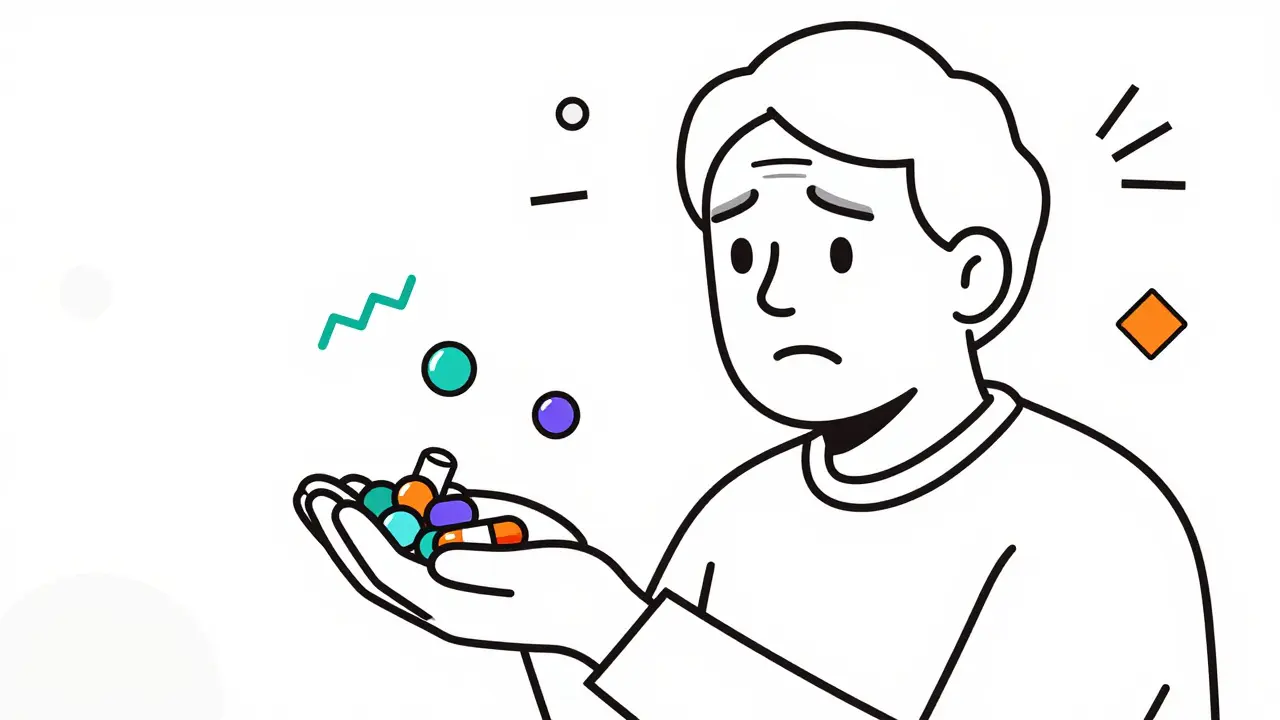
This visual confusion can lead to dangerous errors. An AARP forum survey found that 52% of seniors experienced confusion when multiple generics were substituted for the same medication over time. One 78-year-old user stopped taking their blood pressure medication after the pill changed color three times in six months, fearing it was the wrong drug. This isn’t just anxiety; it’s a breakdown in trust and understanding.
Additionally, the nocebo effect is a phenomenon where negative expectations about a treatment cause adverse symptoms, even if the treatment is harmless plays a significant role. Studies show that 58% of seniors report perceived side effects after a substitution, compared to 42% of younger adults. If a senior believes a cheaper pill is "inferior," they may attribute normal bodily sensations to the new drug, leading them to discontinue effective therapy. Dr. Jerry Avorn of Harvard Medical School emphasizes that communication is not just educational; it is a clinical intervention to prevent this nocebo effect.
To mitigate these risks, communication must be proactive. Pharmacists should initiate counseling before the patient notices the change. Using large-print materials and involving family caregivers can help bridge the gap. The goal is to reinforce that the medication is still safe and effective, despite the cosmetic differences.
The Power of the Teach-Back Method
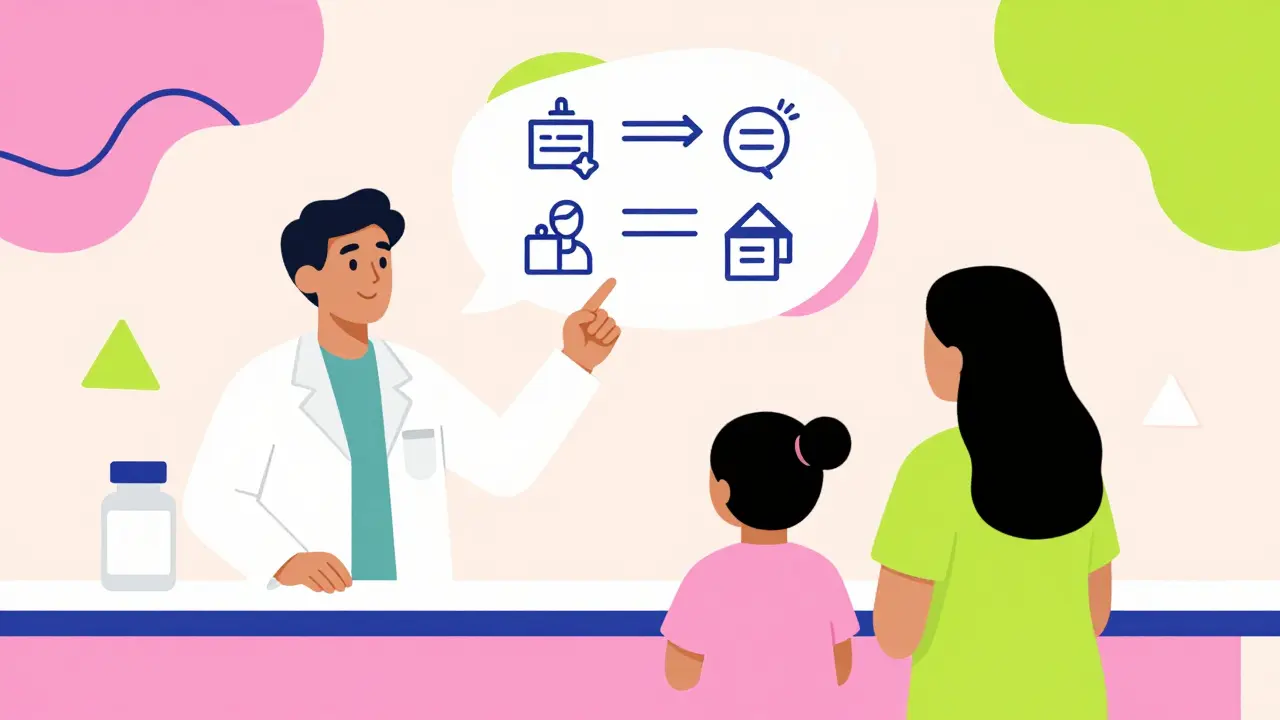
One of the most effective tools in your arsenal is the teach-back method. Instead of asking, "Do you understand?" which often elicits a polite but inaccurate "yes," ask the patient or caregiver to explain the information back to you in their own words. A 2021 NIH study showed that incorporating this method reduces medication errors by 29%. For senior patients, a 2022 study in the Journal of the American Pharmacists Association found 32% better medication adherence when teach-back was used.
Here is how to apply it practically:
- Explain Simply: Use plain language at a 6th-8th grade reading level. Avoid jargon like "bioequivalence" unless you define it immediately.
- Ask for Recap: "Can you tell me how you plan to take this new pill?" or "What will you do if your child refuses to drink the medicine?"
- Clarify Gaps: If the explanation is incomplete, rephrase and ask again. Do not blame the patient for misunderstanding.
This technique ensures that the patient has truly processed the information, allowing you to address specific concerns about taste, appearance, or efficacy right then and there.
Comparing Brand vs. Generic: What Matters Most
To communicate effectively, you need to know exactly what is changing and what is staying the same. Below is a comparison of key attributes between brand-name and generic drugs, particularly relevant to pediatric and senior care.
| Attribute | Brand-Name Drug | Generic Drug |
|---|---|---|
| Active Ingredient | Specific chemical compound | Identical chemical compound |
| Bioequivalence Range | N/A (Reference standard) | 80-125% of reference drug's absorption |
| Pediatric Formulations | Often optimized (solutions, chews) | Limited availability (only 32% match brand forms) |
| Appearance (Color/Shape) | Consistent across batches | Varies by manufacturer; may change frequently |
| Inactive Ingredients | Proprietary mix | Different fillers/binders; may affect taste/allergies |
| Cost | Higher | Significantly lower (saving $373B annually) |
Note that for narrow therapeutic index drugs are medications where small changes in dose or absorption can lead to serious clinical consequences, such as antiepileptics, the 20% variation allowed in bioequivalence can be clinically significant. A 2017 Danish study found that some patients experienced seizure relapse due to preparation changes. In these cases, communication must be extra cautious, and substitution may require explicit physician authorization.
Practical Strategies for Healthcare Providers
Effective communication is not a one-size-fits-all script. It requires tailored approaches based on the patient’s age and condition. Here are actionable steps for providers and pharmacists:
For Pediatric Cases:
- Pre-emptive Counseling: Spend 15-20 minutes discussing the switch, as recommended by the American Academy of Pediatrics. Address parental fears about efficacy directly.
- Visual Aids: Show the parent the new bottle and syringe. Explain any differences in dosing instructions.
- Contingency Plans: Provide a backup plan if the child rejects the taste. Know which local pharmacies can compound the medication into a palatable form.
For Senior Cases:
- Proactive Notification: Contact the patient before the new pills arrive. "Your blood pressure pill will look different next month, but it works the same way."
- Simplify Instructions: Use large-print labels. Involve a family member or caregiver in the conversation to reinforce understanding.
- Digital Tools: Recommend medication image recognition apps. A 2023 University of Florida study found that 67% of seniors reported improved confidence in substitutions when using these tools to verify their pills.
Remember, the goal is to build trust. When patients feel heard and informed, they are more likely to adhere to their regimen. Ignoring the emotional and practical aspects of substitution leads to higher discontinuation rates and poorer health outcomes.
Why do generic drugs look different from brand-name drugs?
Generic drugs can have different colors, shapes, and flavors because trademark laws prevent them from copying the exact appearance of the brand-name product. However, they must contain the same active ingredient in the same strength and dosage form. The inactive ingredients (fillers, binders) may differ, which can affect taste or texture.
Are generic drugs as effective as brand-name drugs for children?
Generics are required to be bioequivalent, meaning they deliver the same amount of active ingredient into the bloodstream within a specific range (80-125%). However, formulation differences (like taste or liquid consistency) can make them harder for children to accept, potentially affecting adherence. Always monitor your child’s response to a new generic.
What should I do if my senior parent stops taking their medication due to a generic switch?
First, determine if they believe the pill is different or unsafe. Reassure them that the change in appearance is normal and the medication is identical in effect. Use the teach-back method to ensure they understand. If confusion persists, involve a pharmacist or doctor to review the medication list and consider using a pill organizer or digital app to track doses.
What is the nocebo effect in the context of generic substitution?
The nocebo effect occurs when a patient expects negative side effects from a treatment and actually experiences them, even if the treatment is harmless. In generic substitution, if a patient believes the cheaper pill is inferior, they may report feeling worse or experiencing side effects that are not pharmacologically caused by the drug.
How can pharmacists improve communication about generic switches?
Pharmacists should proactively inform patients before the switch occurs, use plain language, and employ the teach-back method to verify understanding. For seniors, involve caregivers and use visual aids. For parents, address taste and formulation concerns directly. Building trust and managing expectations are key to successful substitution.