
Medication Savings & Safety Estimator
Calculate potential savings and see the safety impact of different cost-cutting strategies.
Your Current Spend
Safe Strategies to Apply
Estimated Monthly Impact
Safety Checklist:
- 1 Consult your pharmacist before switching "narrow therapeutic index" drugs.
- 2 Verify the dose and purpose for every new medication delivery.
- 3 Never split pills or skip doses to save money without medical approval.
Let's be honest: the cost of prescriptions can feel like a second mortgage. Whether you're managing a chronic condition or overseeing a family's health, the pressure to save money is real. But there is a dangerous trap here. When people try to cut costs by skipping doses, splitting pills, or switching to unverified alternatives, they aren't just saving money-they're gambling with their health. The goal is to find cost-saving strategies that lower your bills without compromising the actual safety of the treatment.
The real secret to doing this effectively is shifting from a "cheap" mindset to an "optimized" mindset. It's not about finding the lowest price at any cost; it's about using professional guidance and system-wide tools to eliminate waste and errors. When handled correctly, these strategies don't just save money-they actually improve how your treatment works.
Quick Wins for Lowering Costs Safely
You don't need a medical degree to start reducing your pharmacy spend, but you do need a plan. Start with the low-hanging fruit-changes that have a high success rate and low risk.
- Ask about generics: About 82% of patients save money by switching to generic versions of their meds. Generics have the same active ingredients as brand names but cost a fraction of the price.
- Use mail-order pharmacies: Roughly 37% of cost-conscious patients use mail-order services. These often provide 90-day supplies at a lower per-pill price than a retail pharmacy.
- Request physician samples: Nearly 30% of patients get free starter samples from their doctors, which can bridge the gap while waiting for insurance approval.
The Power of the Pharmacist
If you want to save money without risking a bad reaction or a missed dose, your best ally is a clinical pharmacist. We often think of pharmacists as the people who put pills in bottles, but they are actually the last line of defense in a Safety Plan is a structured approach to managing medications that prevents errors and optimizes therapeutic outcomes.
Research shows that pharmacist-led interventions provide a massive return on investment. In one specific analysis from Walter Reed Army Medical Center, every dollar spent on pharmacist-led medication therapy management yielded $6.03 in healthcare savings. Why? Because pharmacists catch "therapeutic appropriateness" issues that a computer script misses. They can suggest a cheaper drug that works just as well for your specific body chemistry, or identify a duplication where you're paying for two drugs that do the same thing.
For those transitioning from a hospital to home, a Pharmacist-led Transitions of Care (TOC) program can be a game-changer. One study of 830 high-risk patients found that these programs lowered total healthcare costs by $2,139 per patient over six months. By ensuring the home medication list is accurate and affordable, these pros prevent the expensive emergency room readmissions that happen when a patient stops taking a drug because they can't afford the refill.

Comparing Tech vs. Human Oversight
Many hospitals and clinics rely on software to keep costs down and safety up. While tech is great, it's rarely enough on its own. Electronic prescribing reduces errors by about 55%, but it can't think critically about your unique health history. The most successful systems combine high-tech tools with human experts.
| Method | Primary Benefit | Financial Impact | Safety Limit |
|---|---|---|---|
| Electronic Prescribing | Reduces manual errors | Moderate (lowers waste) | Lacks clinical judgment |
| Pharmacist Review | Optimizes therapy | High ($6.03 return per $1) | Depends on availability |
| Barcode Administration | Prevents wrong-drug errors | High (prevents litigation) | Doesn't check dosage logic |
| Generic Substitution | Direct price reduction | Very High (Direct savings) | Bioequivalence risks in rare cases |
Systemic Safety: The "Invisible" Savings
Some of the biggest cost savings don't come from the price of the pill, but from preventing the catastrophe that happens when a pill is given incorrectly. In the US, medication errors cost hospitals over $20 billion annually. Preventing one major error can save more money than a year of generic substitutions.
One highly effective, low-cost tool is the SBAR is a standardized communication framework (Situation, Background, Assessment, Recommendation) used to prevent clinical errors. By using a consistent way to communicate, one large hospital system slashed adverse events by 50% with almost zero capital investment-just training time.
Similarly, Antimicrobial Stewardship Programs (AMS) focus on using antibiotics correctly. By switching patients from expensive IV medications to oral versions as soon as possible, hospitals like Aultman Hospital have reported savings of around $2 million. This isn't just about the drug price; it's about getting the patient healthy and home faster, which reduces the overall cost of the stay.
Pitfalls to Avoid When Cutting Costs
Not all savings are created equal. There is a thin line between a smart financial move and a dangerous medical mistake. Be wary of these common traps:
- Unmonitored Generic Switching: While generics are usually great, some "narrow therapeutic index" drugs have tiny margins for error. If you switch a critical heart or seizure medication to a different generic manufacturer, do it under a doctor's watch to ensure the bioequivalence doesn't cause a therapeutic failure.
- Reducing Support Staff: For healthcare administrators, the temptation to cut pharmacy technician positions is high. However, one hospital director reported that cutting these roles led to a 22% increase in errors, resulting in $1.2 million in extra costs from litigation and longer stays.
- Over-reliance on Apps: Adherence apps can improve consistency by 15-20%, but they don't replace a clinical review. An app can remind you to take a pill, but it can't tell you that the pill is no longer the best choice for your condition.
Building Your Personal Medication Safety Plan
If you want to lower your costs without risking your health, follow this simple decision tree. Don't just jump to the cheapest option; work through the levels of safety.
- The Audit: Sit down with your pharmacist. Ask: "Are there any therapeutic duplicates here? Is there a generic version of this that is just as effective?"
- The Delivery: Check if your insurance offers a discount for 90-day mail-order supplies. This reduces the number of copays and trips to the pharmacy.
- The Integration: If you are in a hospital setting, ask if there is a clinical pharmacist involved in your daily rounds. This integration is linked to significantly lower error rates and better recovery times.
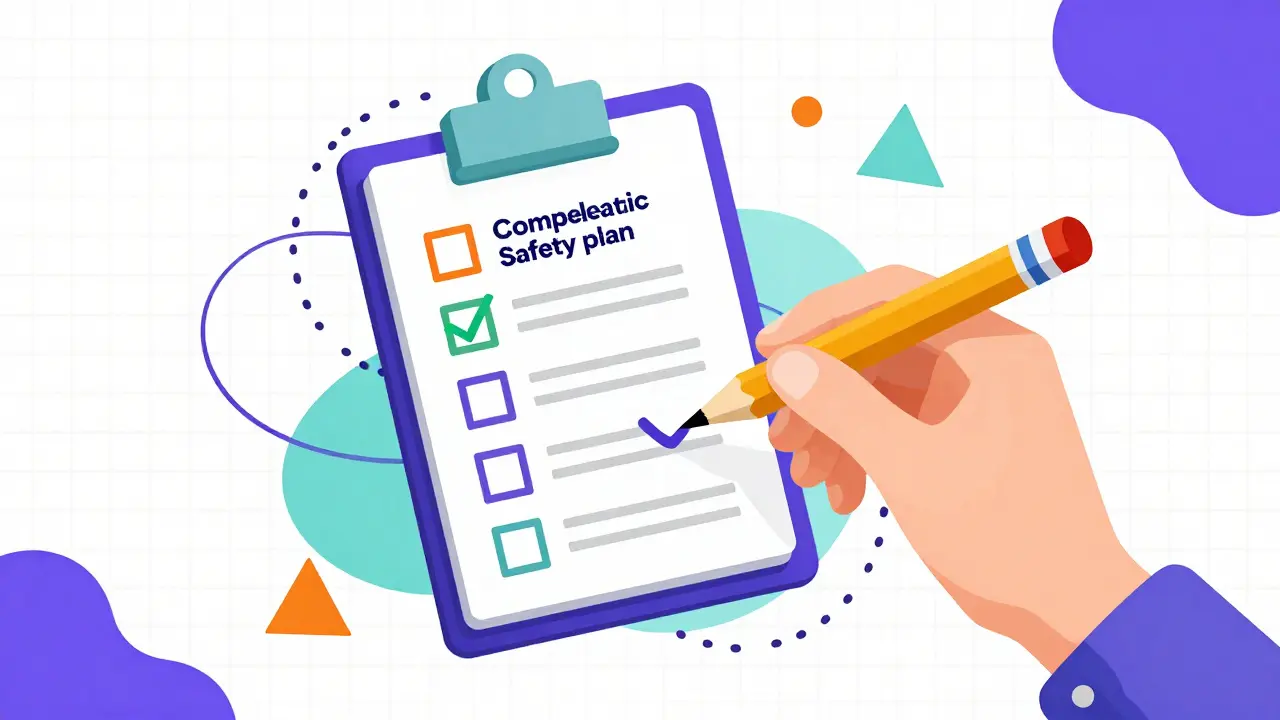
- The Verification: Use a simple checklist for every new medication. Confirm the dose, the purpose, and the potential side effects. This prevents the "cost" of an adverse reaction.
Are generic drugs always as safe as brand-name drugs?
For the vast majority of medications, yes. They contain the same active ingredients and meet the same safety standards. However, for "narrow therapeutic index" drugs-where a tiny change in dose or absorption can be dangerous-some patients may react differently to different generic manufacturers. Always consult your pharmacist before switching brands for critical medications like certain blood thinners or anti-seizure drugs.
How can a pharmacist actually save me money?
Pharmacists can identify more affordable therapeutic alternatives, catch drug-drug interactions that would lead to expensive emergency visits, and help you navigate insurance hurdles. In clinical settings, pharmacist-led reviews have been shown to reduce 30-day hospital readmissions, saving thousands of dollars per patient.
What is the risk of using mail-order pharmacies to save money?
The primary risk is the loss of the "immediate check" a local pharmacist provides. To mitigate this, ensure your mail-order pharmacy has access to your full medication history to prevent interactions, and always double-check the delivered medication against your prescribed dose before taking the first pill.
Can cutting pharmacy staff actually increase costs?
Yes. Reducing pharmacy technicians or pharmacists often leads to a spike in medication errors. These errors can result in longer hospital stays, medical malpractice litigation, and worse patient outcomes, which far outweigh the savings from a smaller payroll.
What is an Antimicrobial Stewardship Program?
It is a coordinated system designed to optimize the use of antibiotics. By ensuring the right drug is used at the right dose for the right duration-and switching from expensive IVs to oral pills when appropriate-these programs save millions of dollars and prevent the rise of antibiotic-resistant bacteria.


April 20, 2026 AT 01:50 AM
This is super helpful! I always forget to check for generics when I'm in a rush at the pharmacy. :)
April 20, 2026 AT 06:54 AM
Sure, follow the "expert" advice. Imagine thinking the pharmaceutical industrial complex actually cares about your wallet. Generics are just a way to push different filler chemicals into your bloodstream while the brand names keep the real patents locked away in some vault. It's all a game of managed decline for the patient's health to ensure a lifelong subscription to their poison. They want you thinking a pharmacist is your "ally" when they're just another cog in the corporate machine. Pure delusion to think the system is designed to save you money.
April 22, 2026 AT 03:04 AM
The ROI analysis on pharmacist-led interventions is basic stuff. If you aren't optimizing for therapeutic appropriateness via a clinical pathway, you're essentially just throwing money at a suboptimal outcome. Most people fail to understand the systemic latency in insurance approval cycles, which is why the sample-bridging strategy is the only logical move here. It's a simple matter of leveraging the existing clinical infrastructure to mitigate financial attrition.
April 23, 2026 AT 18:17 PM
Switching from IV to oral meds is a huge win for the patient and the hospital! Keep pushing for these efficiencies!
April 25, 2026 AT 10:24 AM
I totally agree with the bit about mail-order pharmacies, they really do make things easier for the monthly routine.
April 27, 2026 AT 05:53 AM
We need to be even more assertive about demanding a clinical review during hospital stays. It is unacceptable that some facilities still cut pharmacy tech staff to save a few bucks when the data clearly shows it leads to catastrophic errors. The human cost of these "savings" is far too high, and we must hold administration accountable for prioritizing budgets over patient safety. This isn't just about money; it's about the fundamental right to safe care.
April 28, 2026 AT 20:10 PM
I tried splitting my pills once to save money and it was a total disaster!! Please please listen to this advice and talk to your doctor first because safety is everythinggg!! My heart was racing and I felt so sick, it was truly terrifying and I will never do that again!!
April 29, 2026 AT 22:06 PM
It is truly a magnificent realization that the pharmacist serves as the ultimate sentinel for our well-being. One must appreciate the profound impact that a dedicated professional can have on a patient's journey through the labyrinth of modern medicine. The juxtaposition of high-tech prescriptions and the irreplaceable human touch of a clinical review is simply poetic. It is an absolute necessity that we foster these relationships to ensure no soul is left behind in the pursuit of affordability. What a glorious triumph of human expertise over mindless automation!
April 30, 2026 AT 00:42 AM
This is such a vibe. I used to be so stressed about my refills but once I hit up my pharmacist about some alternatives, the whole thing became a breeze. It's honestly wild how much of a difference a little bit of chatting with the pro can make for your bank account!
April 30, 2026 AT 01:04 AM
I appreciate the focus on the SBAR framework. Standardizing communication is often overlooked but it really does keep things safe.