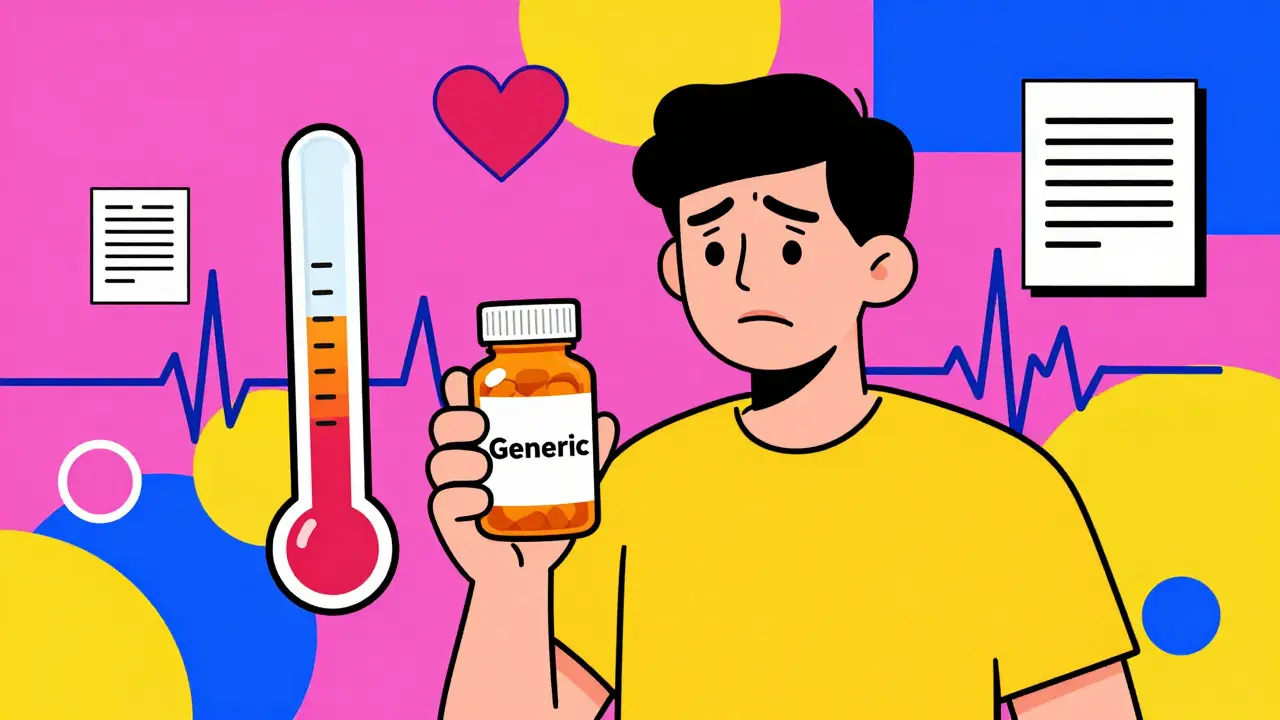
Switching from a generic medication back to the brand-name version isn’t just about preference-it’s a medical decision that can affect your health, your wallet, and your daily routine. If you’ve noticed new side effects, worsening symptoms, or just a feeling that something’s off since your pharmacist switched your prescription, you’re not alone. Thousands of people in Australia, the U.S., and beyond experience this every year. But here’s the catch: you can’t just walk into a pharmacy and ask for the brand. There’s a process. And if you skip the steps, you risk delays, denials, or even dangerous gaps in your treatment.
Why You Might Need to Switch Back
Most generics work just as well as brand-name drugs. The FDA requires them to have the same active ingredient, strength, and absorption rate. But “same” doesn’t always mean “identical.” The inactive ingredients-fillers, dyes, coatings, preservatives-can differ. For most people, that’s no big deal. But for some, it’s everything. Take levothyroxine, for example. This thyroid medication has a very narrow therapeutic window. Even tiny changes in absorption can throw your hormone levels off. Patients switching between different generic versions-or even back to brand-have reported fatigue, weight changes, heart palpitations, or worse. A 2022 study in Neurology found a 27% higher rate of breakthrough seizures in epilepsy patients who switched between different formulations of generic anti-seizure drugs. That’s not a coincidence. It’s biology. Other common triggers for switching back include:- Allergic reactions to dyes (like FD&C Red No. 40) in generics
- Unexplained nausea or stomach upset after switching
- Worsening of chronic conditions like epilepsy, heart failure, or organ transplant rejection
- Loss of symptom control despite stable dosing
It’s not about brand loyalty. It’s about your body reacting to something in the pill that wasn’t there before.
The Rules: What the Law and Insurance Say
In Australia and the U.S., pharmacists are allowed to substitute generics unless the doctor writes “Dispense as Written” (DAW) or “Brand Medically Necessary.” But switching back? That’s harder. Insurance companies don’t want to pay more. Medicare Part D in the U.S. denies brand-name requests 68% of the time when a generic exists. In Australia, PBS (Pharmaceutical Benefits Scheme) has similar rules-generics are preferred unless there’s documented clinical need. Here’s what you need to know:- Only your doctor can request a brand-name drug over a generic
- Insurance will likely require prior authorization
- Some states and countries ban automatic substitution for narrow therapeutic index drugs like warfarin, digoxin, or lithium
- Pharmacies can refuse to fill a brand-name prescription if they don’t have it in stock or if the paperwork is incomplete
A 2022 study in JAMA Internal Medicine found that 41.7% of patients who asked for their brand back were turned away at the pharmacy because the prescription lacked proper documentation. That’s not a glitch-it’s a system designed to save money, not to accommodate individual needs.
How to Do It Right: A 7-Step Guide
If you’re considering switching back, don’t just call your doctor and ask. Come prepared. Here’s how to make it stick:- Track your symptoms-Write down exactly what changed after switching to the generic. When did it start? What symptoms? Did your blood pressure, INR, TSH, or seizure frequency change? Use your phone notes or a journal. Numbers matter more than feelings.
- Get lab results-If you’re on warfarin, ask for your INR logs. For thyroid meds, get your TSH and free T4 levels from the last 3 months. Show your doctor that your numbers are unstable now but were stable before.
- Request a formal diagnosis-Your doctor needs to document that the generic caused a “therapeutic failure.” That’s the official term. It’s not “I don’t like it.” It’s “This formulation did not maintain clinical stability.”
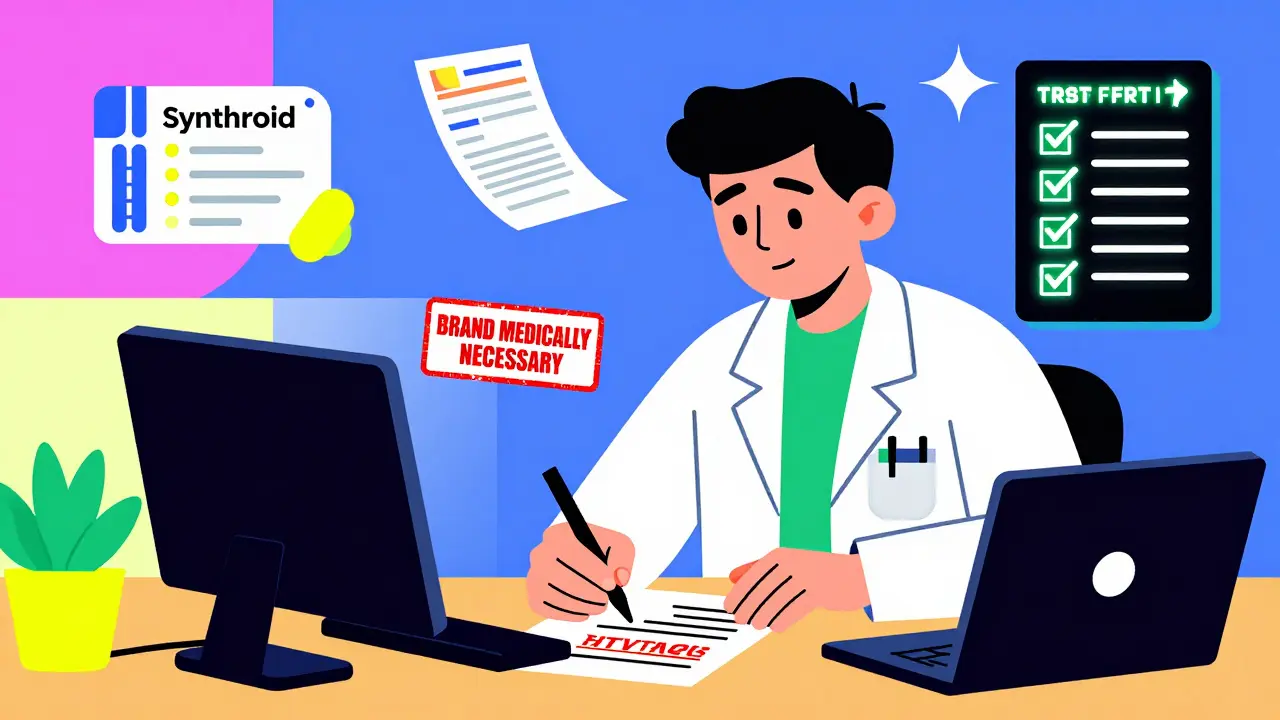
- Specify the exact brand-Don’t say “the brand.” Say “Synthroid 50 mcg,” “Lanoxin 0.125 mg,” or “Prograf 1 mg.” There are multiple generics for the same drug. Your doctor must name the exact product.
- Complete the paperwork-In the U.S., your doctor may need to fill out CMS Form 1490S or use an electronic “Brand Medically Necessary” checkbox in their EHR system. In Australia, the prescriber must indicate “Non-Substitutable” on the prescription.
- Call your pharmacy ahead-Ask if they carry the brand. If not, ask how long it takes to order. Some brands are stocked only at specialty pharmacies.
- Follow up in 7-10 days-Your doctor should schedule a check-in. Did your symptoms improve? Are your lab values stable now? This proves the switch worked and helps with future approvals.
Doctors who follow these steps have a 63.7% success rate getting insurance to approve the brand. Those who don’t? Less than 20%.
What If Your Insurance Denies It?
Denials happen. A lot. In fact, 58.4% of initial requests get turned down, according to the American Medical Association. But that’s not the end. Here’s what to do:- Ask for a written denial letter. It must state the reason.
- Request a formal appeal. Your doctor can write a letter of medical necessity. Include your lab data and clinical notes.
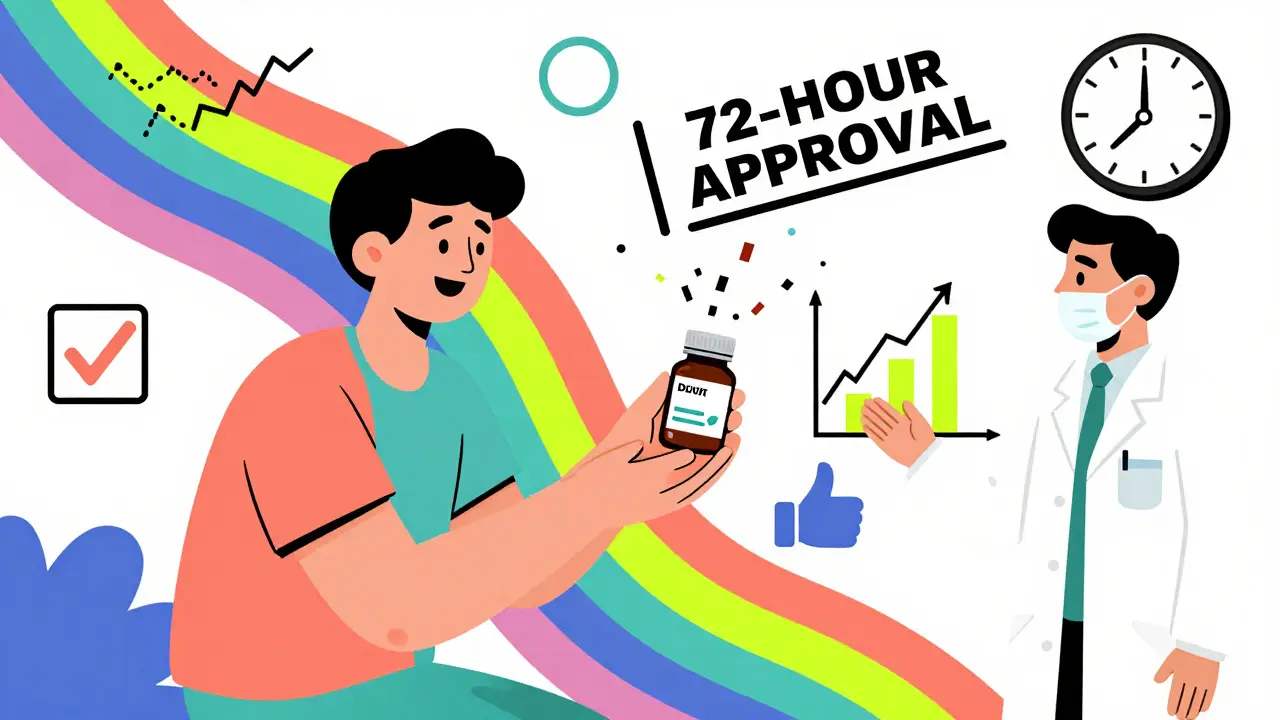
- Ask if your insurer has a “Medically Necessary Brand Exception” pathway. Medicare Part D introduced a 72-hour fast-track for certain drugs in 2024.
- If all else fails, ask your doctor about patient assistance programs. Many brand manufacturers offer free or discounted medication for qualifying patients.
One patient in Perth, diagnosed with hypothyroidism, was denied Synthroid twice. She gathered her TSH results from the last 18 months, had her endocrinologist write a letter, and appealed. The third time, it was approved. She’s been stable since.
Costs and Alternatives
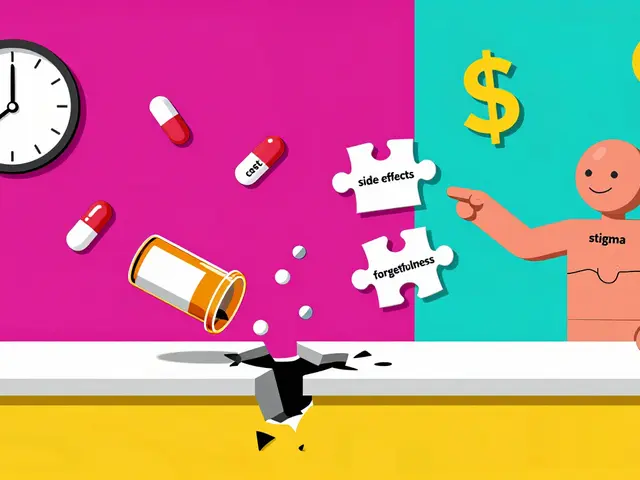
Let’s be honest: brand-name drugs cost 3 to 5 times more than generics. A monthly supply of brand-name warfarin might be $450. The generic? $110. That’s a huge difference, especially on a fixed income. But here’s something most people don’t know: some brand companies sell “authorized generics.” These are made by the original brand manufacturer but sold under a generic label. They’re chemically identical to the brand, just cheaper. Ask your pharmacist: “Is there an authorized generic version of this drug?” If cost is a barrier and switching back isn’t possible, your doctor might consider:- Sticking with one generic manufacturer consistently
- Using a specialty pharmacy that stocks only one generic version
- Switching to a different drug class entirely (if clinically appropriate)
Don’t settle for a generic that’s making you sick. But also don’t assume the brand is the only solution. Work with your care team to find the best fit.
What the Experts Say
Dr. Aaron Kesselheim from Harvard says: “For patients with epilepsy, organ transplants, or thyroid disease, consistency matters. A change in formulation-even if it’s ‘bioequivalent’-can be the difference between control and crisis.” The FDA warns that switching between different generic versions-or between generic and brand-for narrow therapeutic index drugs can lead to loss of efficacy or serious side effects. That’s not a hypothetical risk. It’s documented. But not everyone agrees. Dr. Jerry Avorn from Brigham and Women’s Hospital argues that 99.7% of patients do fine with generics. He says most requests to switch back are based on perception, not science. Here’s the truth: both are right. For most people, generics are perfect. For a small but significant group, they’re not. And that group deserves attention, not dismissal.Final Advice: Don’t Guess. Document.
If you think your generic isn’t working, don’t stop taking it. Don’t switch back on your own. Don’t wait until you’re in crisis. Start today:- Write down your symptoms
- Check your last lab results
- Call your pharmacy and ask what generic you’re getting
- Book an appointment with your doctor
There’s no shame in needing the brand. There’s only risk in not speaking up.
Can I ask my pharmacist to switch me back to the brand name?
No. Pharmacists can only dispense what’s written on the prescription. If the script says “generic,” they must fill it with a generic unless your doctor writes “Dispense as Written” or “Brand Medically Necessary.” Only your doctor can authorize the switch back.
Are brand-name drugs more effective than generics?
For most people, no. The active ingredient is the same. But for a small number of patients-especially those on narrow therapeutic index drugs like warfarin, levothyroxine, or anti-seizure medications-differences in inactive ingredients can affect absorption, leading to side effects or loss of control. That’s not about effectiveness-it’s about consistency.
How long does it take to get insurance approval for a brand-name drug?
It varies. In Australia, PBS approvals can take 1-3 days if paperwork is complete. In the U.S., Medicare Part D prior authorizations typically take 7-14 days, but a new 2024 fast-track system allows 72-hour approval for certain drugs if your doctor marks it as “medically necessary.” Always follow up-don’t assume it’s approved.
What if I can’t afford the brand-name drug?
Ask your doctor about patient assistance programs. Many brand manufacturers offer free or low-cost medication to qualifying patients. You can also ask if an “authorized generic” is available-it’s made by the brand company but sold at generic prices. Never skip your dose because of cost. Talk to your doctor or pharmacist about alternatives.
Can switching between generics cause problems?
Yes. Even switching between different generic versions can cause issues for sensitive patients. The FDA warns that multiple switches-generic to generic, or generic to brand-can lead to unstable drug levels. If you’re on a narrow therapeutic index drug, ask your doctor to prescribe one specific generic manufacturer and stick with it.
Is it safe to switch back to the brand after being on a generic for months?
Yes, if it’s medically necessary and done under supervision. Many patients switch back successfully after experiencing side effects. But it must be done with monitoring. Your doctor should check your lab values within 7-10 days after the switch to confirm stability.
What Comes Next?
If you’ve just switched back, keep tracking your symptoms. If you’re still on a generic but feel something’s wrong, don’t wait. Start documenting now. Your health isn’t a cost-saving metric. It’s your life.The system isn’t perfect. But you have power-if you know how to use it. Speak up. Document everything. Follow the steps. And don’t let a form or a denial stop you from getting the right treatment.


January 10, 2026 AT 14:41 PM
Generic switched me to levothyroxine last year. TSH went from 2.1 to 8.9 in 3 weeks. No lab changes. No dose changes. Just the pill. I cried in the pharmacy parking lot.
January 11, 2026 AT 03:44 AM
I'm from the US and I've seen this happen to my uncle with warfarin. He almost had a stroke because the generic made his INR swing like a pendulum. Doctors act like it's all in your head. It's not.
January 11, 2026 AT 14:09 PM
The FDA's bioequivalence standards are fundamentally flawed for narrow therapeutic index drugs. A 90% confidence interval for Cmax and AUC does not account for inter-individual pharmacokinetic variability, nor does it address the cumulative impact of excipient-induced gut inflammation or altered gastric emptying. This is not anecdotal-it is pharmacologically inevitable.
January 12, 2026 AT 09:36 AM
You people are wasting time. If your doctor is too lazy to write DAW or 'Brand Medically Necessary', then you're not trying hard enough. I've fought insurers for 18 months for my transplant patient's Prograf. I had to threaten to go to the state medical board. They approved it on the 17th appeal. Don't be weak.
January 13, 2026 AT 19:15 PM
I get that generics aren't perfect. But I also get that we can't all afford brand names. Maybe the real solution is pushing for authorized generics or better oversight of generic manufacturers. Not everyone has the privilege to fight the system.
January 15, 2026 AT 13:22 PM
Sometimes it's not the drug. It's the silence. We're taught to trust the system. But when your body screams and no one listens... you start to wonder if you're broken. Or if the system is.
January 17, 2026 AT 09:14 AM
I switched back to Synthroid after 6 months of generic and my anxiety just vanished. I didn’t even realize how bad it was until it was gone. My doctor said it was placebo. I said, 'Then why do I feel like a new person?' 😊
January 17, 2026 AT 11:25 AM
I'm a pharmacist in Ohio. I see this every day. People cry when we can't fill the brand. We want to help. But we're bound by rules. I keep a list of patient assistance programs on my desk. DM me if you need it.
January 18, 2026 AT 22:41 PM
In the UK, we don't have this problem. NICE ensures consistent sourcing. If your system can't handle basic pharmacological stability, maybe you need to stop pretending you're a healthcare system and start acting like one.
January 20, 2026 AT 19:54 PM
I've been on the same generic for 10 years. Never had an issue. But I also never switched between manufacturers. Consistency matters more than brand. Maybe the answer isn't switching back-it's sticking with one.
January 21, 2026 AT 01:16 AM
I've worked in endocrinology for 22 years. I've seen patients lose weight, gain weight, develop arrhythmias, and have seizures-all because their generic was changed without warning. The science is clear. For TSH, INR, and seizure meds, the risk is real. The system is failing them.
January 21, 2026 AT 11:01 AM
Wait-so if I'm on a generic and I switch to another generic, is that dangerous too? I thought only brand vs generic mattered. This is wild. I need to check what version I'm on.
January 23, 2026 AT 10:03 AM
The fact that you need to jump through 7 hoops just to get the medicine your body needs is a crime. And the fact that insurance companies profit from your suffering is not an accident. It's policy.
January 23, 2026 AT 14:00 PM
I used to think this was all hype. Then my mom had a transplant. They switched her tacrolimus generic. Her creatinine spiked. She was hospitalized. Now we only use the brand. No one told us it could kill her.
January 24, 2026 AT 09:03 AM
I'm a nurse. I've had patients show me their TSH logs. One went from 2.4 to 11.2 after a generic switch. They were asymptomatic until the next check-up. That's not patient error. That's system failure.
January 25, 2026 AT 19:03 PM
Ugh. Another post about rich people whining because they can't afford their $450 pill. I'm on Medicaid. I get generic. I'm fine. Stop being entitled.
January 25, 2026 AT 23:57 PM
i switched back to synthroid and my brain fog lifted?? like i could think again?? idk maybe its all in my head but i feel like a human now??