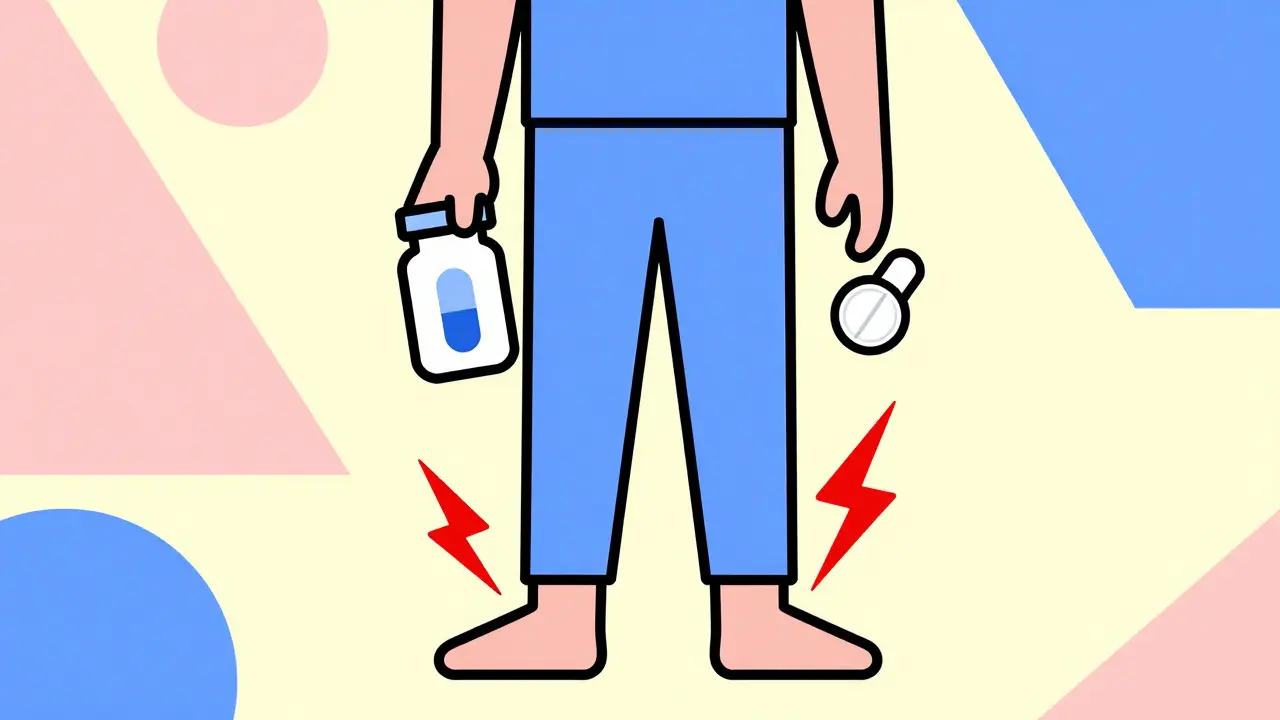
Tendon Rupture Risk Calculator
Personal Risk Assessment
Check all factors that apply to you or the patient being assessed:
💡 Key Facts
- Baseline Risk: 0.1% - 0.4% of patients
- With Steroids: 46-fold increase in rupture risk
- Average Onset: 6 days after starting treatment
- Most Common Site: Achilles tendon (89.8% of cases)
- Post-Treatment Risk: Up to 50% of cases occur after stopping the drug
Imagine you are recovering from a minor infection. Your doctor prescribes a common antibiotic to clear it up. At the same time, you are taking steroids for joint pain or an autoimmune condition. Two weeks later, while simply pushing off your foot to stand up, you hear a loud pop. You collapse in pain. This is not a hypothetical horror story; it is a documented medical reality for thousands of patients who unknowingly combined two specific classes of drugs.
The combination of quinolone antibiotics (specifically fluoroquinolones) and corticosteroids creates a perfect storm for tendon damage. While each drug is effective on its own, together they can weaken your connective tissue to the point of catastrophic failure. Understanding this interaction is not just about avoiding side effects; it is about preventing a life-altering injury that requires surgery and months of rehabilitation.
The Mechanism: How These Drugs Attack Tendons
To understand why this happens, we need to look at what these drugs actually do inside your body. Quinolones, such as ciprofloxacin and levofloxacin, work by inhibiting bacterial enzymes called DNA gyrase and topoisomerase IV. This stops bacteria from replicating their DNA, effectively killing them. However, human cells also rely on similar enzymatic processes for maintaining structural integrity, particularly in collagen-rich tissues like tendons.
Research suggests that quinolones have a direct toxic effect on tenocytes, the cells responsible for producing and maintaining collagen fibers in tendons. They interfere with the synthesis of proteoglycans, which are essential for the tendon's ability to absorb shock and withstand tension. When you add corticosteroids into the mix, the situation worsens dramatically. Steroids inhibit inflammation, which is part of the healing process, but they also suppress the production of collagen and reduce blood flow to the tendon. The result is a tendon that becomes brittle, weak, and prone to snapping under normal stress.
This toxicity can occur rapidly. Symptoms often appear within days of starting treatment, and in some cases, even after a single dose. The latency period for tendinopathy has a median onset of 6 days, with 85% of cases occurring within the first month of therapy. Crucially, up to 50% of these cases develop symptoms even after the patient has stopped taking the antibiotic, meaning the danger lingers long after the prescription is finished.
The Statistics: Quantifying the Danger
You might think this is a rare occurrence, but the data tells a different story. A landmark study published in JAMA Internal Medicine analyzed population-based case-control data and found that current exposure to quinolones significantly increases the risk of Achilles tendon rupture. The relative risk was 1.7-fold for all tendinopathies and 4.1-fold specifically for Achilles tendon rupture.
However, those numbers pale in comparison to the risk when corticosteroids are involved. Concurrent use of corticosteroids increases the risk of tendon rupture by a staggering 46-fold compared to fluoroquinolone use alone. To put that in perspective, if the baseline risk is low, multiplying it by 46 turns a manageable risk into a significant clinical threat.
| Risk Factor | Impact on Risk | Notes |
|---|---|---|
| Corticosteroid Use | 46-fold increase | Highest known multiplier for rupture risk |
| Age Over 60 | 2.7-fold increase | Aging tendons have reduced elasticity and blood supply |
| Renal Failure (eGFR <30) | Significant increase | Reduced drug clearance leads to higher toxin levels |
| Organ Transplant Recipients | Elevated risk | Due to mandatory immunosuppressive steroid regimens |
| History of Tendon Disorders | Moderate increase | Prior weakness predisposes to re-injury |
The Achilles tendon is the primary victim, accounting for approximately 89.8% of reported cases. Ciprofloxacin is the most frequently implicated agent, responsible for nearly 68% of tendon disorder reports in New Zealand’s adverse reaction database between 2007 and 2012. Norfloxacin follows with about 30%, suggesting that certain chemical structures within the quinolone family may be more aggressive than others.
Who Is Most Vulnerable?
Not everyone who takes these medications will suffer a rupture. The absolute risk remains relatively low, estimated at 0.1% to 0.4% of treated patients. However, specific demographics face a much higher probability of injury. If you fall into any of these categories, you need to be extremely cautious:
- Patients over age 60: Older adults experience a 1.5-fold increase in tendon disorders and a 2.7-fold increase in rupture risk. Aging naturally degrades tendon quality, making them less resilient to chemical insults.
- Immunosuppressed individuals: Kidney, heart, or lung transplant recipients are often on high-dose corticosteroids to prevent organ rejection. This group represents one of the highest-risk populations.
- People with renal impairment: If your kidneys cannot filter the drug efficiently (estimated glomerular filtration rate below 30 mL/min/1.73m²), quinolones accumulate in your system, increasing toxicity.
- Those with diabetes: Diabetes affects circulation and nerve function, further compromising tendon health.
Even younger, healthy athletes are not immune. There have been documented cases of runners and cyclists suffering ruptures during routine training while on short courses of antibiotics. The key difference is that older patients and those on steroids have compromised tendon biology, making the threshold for rupture much lower.
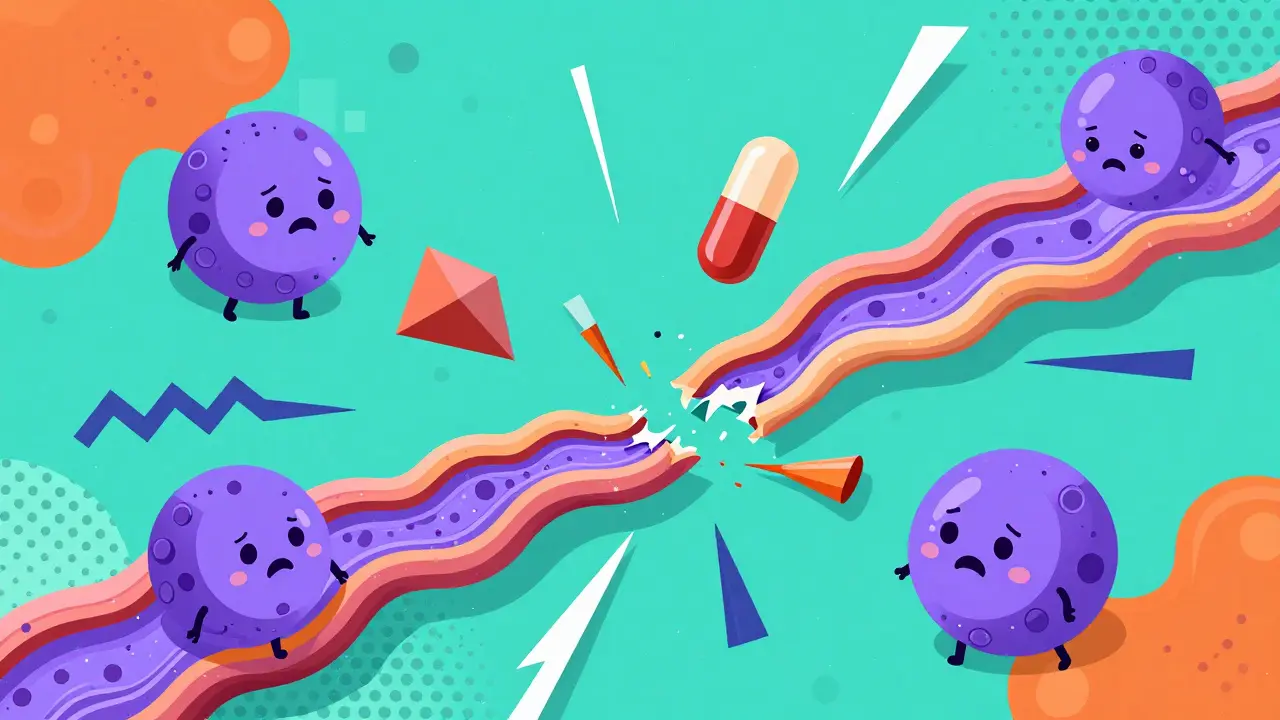
Recognizing the Warning Signs
Tendon rupture rarely happens without warning. In many cases, tendinitis precedes the actual break by up to two weeks. Recognizing these early signs can save your tendon. Watch for:
- Pain: A dull ache or sharp pain in the back of the ankle, heel, or knee. It may start gradually and worsen with activity.
- Swelling and Inflammation: Visible puffiness around the tendon area. The skin may feel warm to the touch.
- Stiffness: Difficulty moving the joint, especially in the morning or after periods of rest.
- Sudden Pop: A distinct snapping sound or sensation, followed by immediate loss of strength and inability to bear weight.
If you experience pain, swelling, or inflammation in a tendon while taking a quinolone, stop the medication immediately and contact your healthcare provider. Do not wait to see if it gets better. Early discontinuation can prevent progression from tendinitis to full rupture.
Regulatory Warnings and Clinical Guidelines
The medical community has been aware of this risk since the mid-1980s, but regulatory action intensified in the last two decades. The U.S. Food and Drug Administration (FDA) issued its first safety alert in July 2008. By August 2013, the FDA strengthened this to a "black box" warning-the strongest safety alert available-requiring updated labeling for all systemic fluoroquinolones.
The 2013 advisory committee concluded that the risk of disabling side effects, including tendon rupture, outweighed the benefits for certain conditions. As a result, fluoroquinolones were restricted for uncomplicated infections like sinusitis, bronchitis, and urinary tract infections where alternative treatments exist. Today, guidelines recommend reserving these antibiotics for serious infections where no other options are viable, such as complicated pyelonephritis or anthrax exposure.
Infectious disease societies now emphasize a strict risk-benefit analysis before prescribing. For patients with multiple risk factors, particularly those over 60 taking corticosteroids, quinolones should generally be avoided. If they must be used, the shortest effective duration should be prescribed, and patients must be educated on the warning signs.
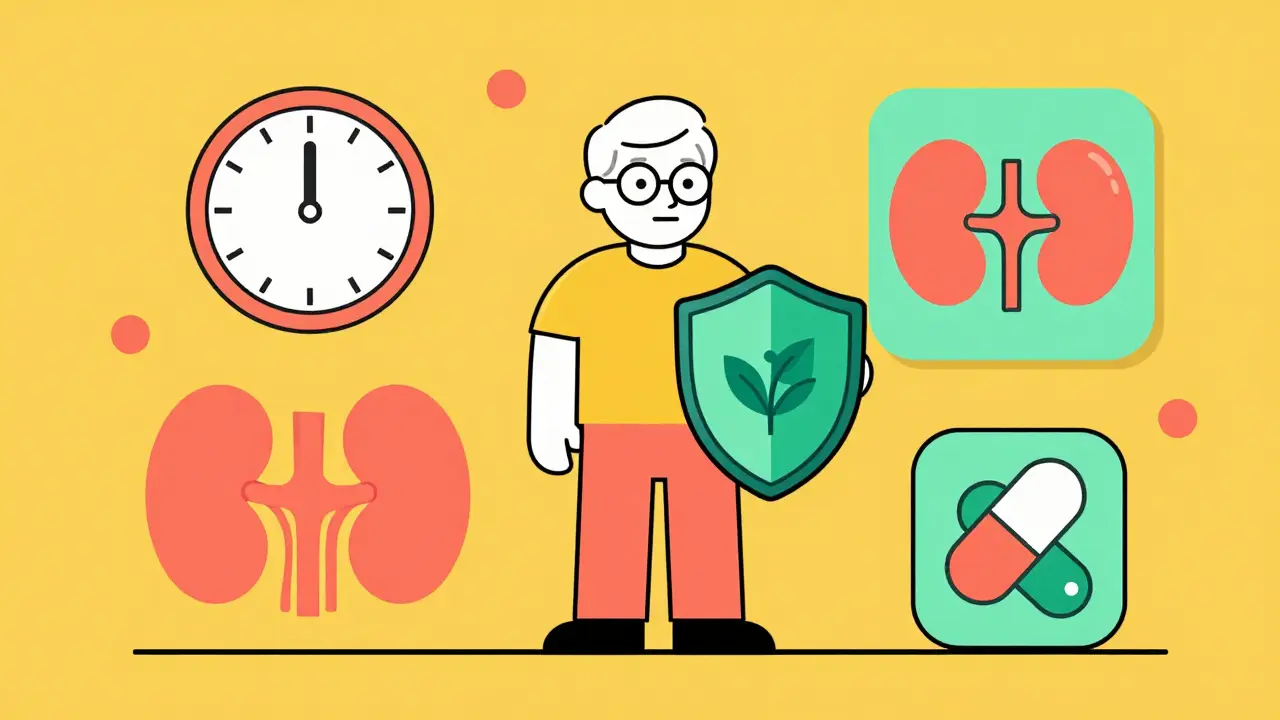
Alternatives and Prevention Strategies
If you are at high risk, talk to your doctor about alternative antibiotics. Penicillins, cephalosporins, and macrolides do not carry the same tendon-rupturing risk. For example, amoxicillin-clavulanate or azithromycin may be suitable substitutes for many respiratory and urinary infections.
Prevention also involves lifestyle adjustments during treatment. Avoid strenuous exercise, heavy lifting, or activities that place sudden stress on your tendons. Stay hydrated to support kidney function and drug clearance. If you are on corticosteroids, discuss whether the dose can be temporarily adjusted or if a non-steroidal anti-inflammatory drug (NSAID) could manage your symptoms instead, though NSAIDs have their own risks and should be used cautiously.
Documentation is also critical. Ensure your medical record clearly notes your steroid use and any history of tendon issues. This helps future providers make safer prescribing decisions. Pharmacists play a vital role here too; always ask them to check for interactions when picking up a new prescription.
Recovery and Prognosis
If a rupture does occur, the road to recovery is long and difficult. Achilles tendon rupture often requires surgical intervention to reattach the tendon. Non-surgical treatment with casting is an option for some, but surgery typically offers better functional outcomes for active individuals. Recovery periods range from 6 to 12 months, involving physical therapy to rebuild strength and flexibility. Many patients never fully return to their pre-injury level of athletic performance.
Bilateral involvement, affecting both legs, occurs in approximately 50% of severe cases, complicating recovery further and potentially leading to permanent mobility issues. The emotional toll is also significant, as the sudden loss of independence can be devastating.
How long after taking quinolones does tendon pain start?
Symptoms typically begin within the first week of treatment, with a median onset of 6 days. About 85% of cases occur within the first month. However, symptoms can also emerge weeks after stopping the medication, so remain vigilant even after finishing your course.
Which quinolone antibiotic is safest regarding tendon risk?
All systemic fluoroquinolones carry a risk, but ciprofloxacin and norfloxacin are most frequently reported in tendon injury cases. Moxifloxacin and levofloxacin also pose risks. There is no "safe" quinolone for high-risk patients; avoidance of the entire class is recommended if alternatives exist.
Can I take ibuprofen with quinolones to prevent tendon pain?
No. Combining NSAIDs like ibuprofen with quinolones may further increase the risk of tendon rupture. Always consult your doctor before adding any pain relievers to your regimen while on antibiotics.
Is the risk higher for oral or IV quinolones?
The risk applies to all systemic forms, including oral tablets, capsules, and intravenous injections. The route of administration does not eliminate the toxic effect on tendon tissue.
What should I do if I suspect tendonitis while on antibiotics?
Stop the antibiotic immediately and contact your healthcare provider. Rest the affected limb, avoid weight-bearing activities, and seek medical evaluation. Early intervention can prevent a complete rupture.

July 9, 2026 AT 12:53 PM
This is absolute nonsense pushed by western pharma companies to scare people. In India, we use these antibiotics daily for minor infections and no one is jumping with ruptured tendons. It's just another way to control the masses with fear. Wake up sheeple! The real risk is ignoring traditional medicine while chasing these fabricated side effects.
July 10, 2026 AT 02:51 AM
Honestly? I've been on cipro for years and feel fine. But then again, my doctor is top-tier so he knows what he's doing. Most people here probably don't even know how to read a prescription label let alone understand pharmacokinetics 🙄💊✨
July 11, 2026 AT 19:55 PM
It is truly fascinating to consider the biological mechanisms at play here. The interaction between quinolones and corticosteroids isn't just a statistical anomaly; it represents a fundamental conflict in cellular repair processes. We must approach this information with both scientific rigor and personal responsibility, ensuring that our medical decisions are informed by evidence rather than anecdote.
July 12, 2026 AT 21:59 PM
Hey everyone!! I know this sounds scary but please dont panic. My friend had a tendon issue and she recovered beautifully after stopping the meds early. Its all about listening to your body and trusting your doctors. You got this! 💪🌟
July 13, 2026 AT 02:51 AM
I have to say, this article really opened my eyes. I never knew that combining steroids and antibiotics could be so dangerous. It makes me wonder if we are too quick to prescribe these powerful drugs without considering the long-term effects on our bodies. What do you all think about the current prescribing habits in your areas?
July 14, 2026 AT 16:03 PM
Oh please. Another alarmist piece designed to make you afraid of every pill you swallow. If everything was this dangerous, half the population would be disabled. This is just fear-mongering disguised as science. Don't believe everything you read online.
July 16, 2026 AT 15:08 PM
i mean its pretty wild how fast things can go wrong but i guess thats life right. ive heard stories from cousins who took cipro and felt weird but nothing major. maybe its just bad luck for some people. anyway hope everyone stays safe out there.
July 18, 2026 AT 04:08 AM
Let me tell you something, mate. I've seen patients ignore warnings like this and end up in hospital beds crying for their mothers. And yet, here we are, debating statistics instead of taking action. Your arrogance is blinding you to the reality of human fragility. Face it.
July 18, 2026 AT 06:18 AM
YO THIS IS CRUCIAL INFO!!! People need to stop sleeping on this stuff. If u on steroids and get abx ask ur doc first!! No brainer really. Stay strong and keep ur tendons intact fam 🔥💯
July 18, 2026 AT 21:45 PM
Well, well, well. Look at all these experts telling us how to live our lives. I suppose next they'll tell us not to breathe because oxygen might be toxic? How delightful. At least we can laugh at the absurdity of it all.
July 20, 2026 AT 08:03 AM
this is so dramatic why r u guys making such a big deal out of it?? my mom takes cipro all the time and she is fine. stop spreading fake news pls
July 22, 2026 AT 04:08 AM
The data presented herein is compelling. Individuals should exercise caution when prescribed fluoroquinolones, particularly if concurrent corticosteroid therapy is involved. Medical professionals must adhere strictly to FDA guidelines regarding black box warnings.
July 23, 2026 AT 09:20 AM
I am curious about the specific chemical structures mentioned in the article. Why do certain quinolones like ciprofloxacin pose a higher risk than others? Is there ongoing research into modifying these molecules to reduce toxicity while maintaining efficacy? I would appreciate any insights from those knowledgeable in medicinal chemistry.