You reach for the box on the shelf because your nose is running and your eyes are itching. It’s an easy fix, right? Just pop a pill or spray some mist. But that simple over-the-counter (OTC) remedy might be doing more than just clearing your sinuses. While antihistamines and decongestants are staples in medicine cabinets across the country, they carry hidden dangers that many people ignore until it’s too late.
We spend billions of dollars annually on these drugs, treating them like harmless candy. Yet, emergency rooms see thousands of visits every year linked to their misuse. From dangerous spikes in blood pressure to severe brain fog in older adults, the risks are real and often overlooked. Understanding what these medications actually do to your body-and who should avoid them-is the first step toward staying safe.
The Hidden Dangers of Antihistamines
Antihistamines work by blocking histamine, the chemical your body releases during an allergic reaction. This stops the sneezing, itching, and runny nose. However, not all antihistamines are created equal, and the generation matters significantly for your safety.
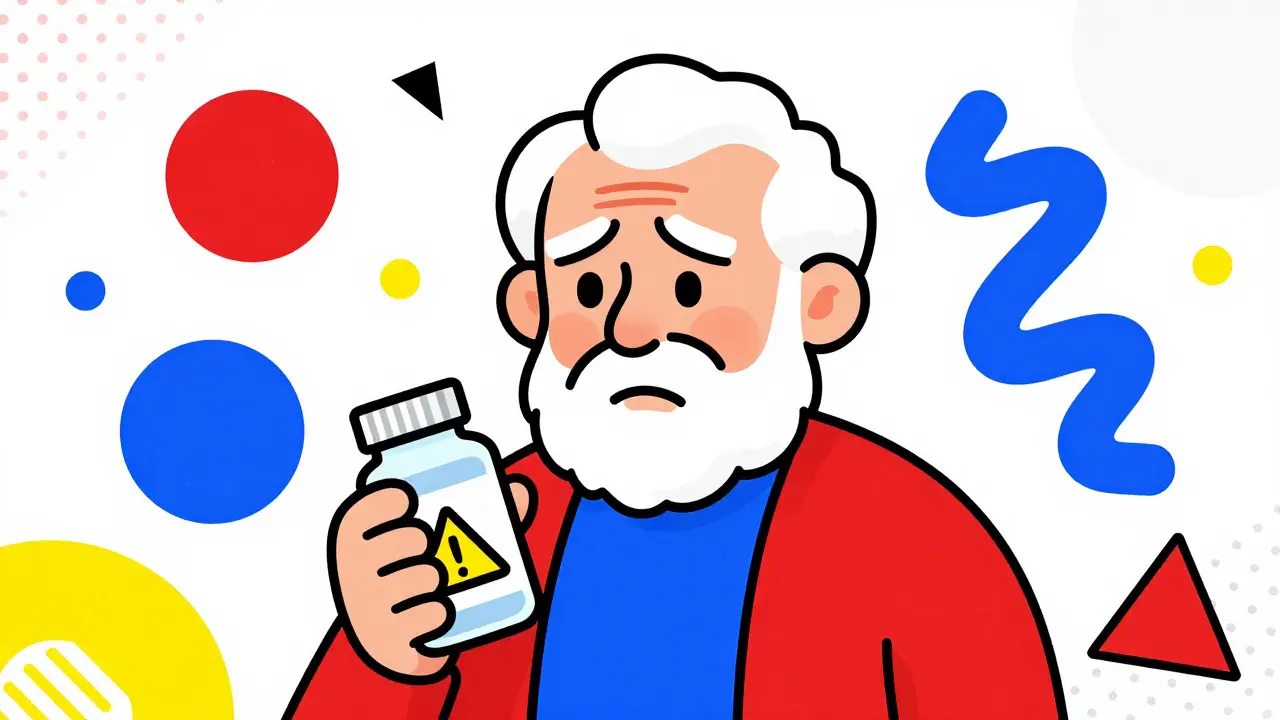
First-generation antihistamines, such as diphenhydramine (Benadryl), have been around since the 1940s. They are effective, but they cross the blood-brain barrier easily. This causes significant drowsiness in 50-60% of users. More concerning is their impact on cognitive function. For adults over 65, using these drugs increases the risk of falls by 300%. The American Geriatrics Society lists first-generation antihistamines as potentially inappropriate for seniors due to their anticholinergic effects, which can lead to confusion, anxiety, and memory issues.
Even if you aren’t elderly, the side effects can disrupt daily life. Dry mouth affects 40% of users, while dizziness hits 35%. Rare but serious risks include worsening angle-closure glaucoma and urinary retention, particularly problematic for men with enlarged prostates. If you need daytime relief, second-generation options like loratadine (Claritin) or cetirizine (Zyrtec) are safer choices, causing drowsiness in only 10-15% of users.
Decongestants and Your Heart Health
Decongestants like pseudoephedrine (Sudafed) and phenylephrine work differently. They shrink swollen nasal tissues by constricting blood vessels. While this clears your airways quickly, it also tightens vessels throughout your body, including those in your heart and brain.
This systemic effect raises blood pressure. On average, oral decongestants increase systolic blood pressure by 1-3 mmHg. For most healthy people, this is negligible. But for the estimated 116 million American adults with hypertension, a spike of 5-10 mmHg can be dangerous. Dr. James Li from the Mayo Clinic warns that this increase may pose serious risks for those already managing high blood pressure.
Beyond blood pressure, decongestants stimulate the central nervous system. Insomnia affects 45% of users, while nervousness and anxiety hit 30% and 25% respectively. You might feel jittery, restless, or experience heart palpitations. In rare cases-about 0.05% of instances-users report hallucinations. If you have an overactive thyroid, heart disease, or circulation problems, the NHS explicitly advises against using decongestants without medical consultation.

The Trap of Rebound Congestion
Nasal spray decongestants, such as oxymetazoline (Afrin), offer rapid relief directly to the source. However, they come with a strict time limit. Using these sprays for more than three consecutive days carries a 50% risk of developing rhinitis medicamentosa, commonly known as rebound congestion.
Here is how it works: your nasal passages become dependent on the spray to stay open. When the medication wears off, the swelling returns worse than before. You use more spray, creating a cycle that can last weeks or months. The FDA mandates warnings against extended use for this exact reason. If your congestion persists beyond 10-14 days despite treatment, it is time to see a healthcare provider rather than reaching for another bottle of spray.
Dangerous Drug Interactions
One of the biggest risks with OTC allergy meds is assuming they are safe to mix with other substances. They are not. Decongestants can interact dangerously with certain antidepressants, specifically monoamine oxidase inhibitors (MAOIs) and selective serotonin reuptake inhibitors (SSRIs). Combining them can trigger a hypertensive crisis, where blood pressure skyrockets above 180 mmHg, posing an immediate threat to life.
Antihistamines amplify sedative effects when mixed with alcohol or other central nervous system depressants. This combination increases fall risk by 50% in older adults. Additionally, energy drinks containing caffeine can interact with decongestants, worsening side effects like anxiety and heart palpitations. Rutgers University’s Poison Control Center reported a 25% year-over-year increase in calls related to young adults combining OTC allergy meds with energy drinks.
| Medication Type | Common Side Effects | Serious Risks | Who Should Avoid |
|---|---|---|---|
| First-Gen Antihistamines (e.g., Diphenhydramine) |
Drowsiness (50-60%), Dry Mouth (40%) | Falls (300% risk in >65), Confusion | Seniors, Glaucoma patients, Prostate issues |
| Second-Gen Antihistamines (e.g., Loratadine) |
Drowsiness (10-15%), Headache | Rare severe reactions | Pregnant women (consult doctor) |
| Oral Decongestants (e.g., Pseudoephedrine) |
Insomnia (45%), Nervousness (30%) | Hypertension, Heart Palpitations | High BP, Heart disease, Thyroid issues |
| Nasal Spray Decongestants (e.g., Oxymetazoline) |
Burning, Stinging | Rebound Congestion (if >3 days) | Anyone needing long-term relief |

Special Populations at Risk
Certain groups face heightened dangers from standard allergy medications. Children under two years old should never receive cough and cold products containing decongestants or antihistamines. The FDA cites 123 reported cases of convulsions, rapid heart rates, and death between 1969 and 2006 linked to this practice. Serious side effects can occur rapidly in infants.
Pregnant and breastfeeding women require careful selection. The American College of Obstetricians and Gynecologists recommends avoiding decongestants during the first trimester. For antihistamines, second-generation options like loratadine are generally preferred under medical supervision. Never self-medicate during pregnancy without consulting your provider.
Older adults must navigate the Beers Criteria, which identifies first-generation antihistamines as potentially inappropriate. These drugs increase confusion risk by 50% and fall risk by 300% in patients over 65. If you are caring for an aging parent, check their medication list for diphenhydramine or doxylamine. Switching to non-drowsy alternatives can significantly improve their safety and quality of life.
Practical Steps for Safer Use
To minimize risks, start by reading labels carefully. Many "all-in-one" cold medications contain multiple active ingredients. Sixty-eight percent of these products combine antihistamines, decongestants, and pain relievers like acetaminophen. Accidental overdose is common, especially with acetaminophen, which can cause liver toxicity if you exceed 4,000 mg daily. Track your total intake from all sources.
Consult a pharmacist before buying new OTC meds. The American Pharmacists Association reports that 78% of medication-related problems with OTC allergy drugs could be prevented through professional consultation. Pharmacists can check for interactions with your current prescriptions and recommend safer alternatives based on your health history.
Finally, respect duration limits. Allergy symptoms usually last no more than a week and a half. If they persist, prolonged OTC use is not the answer. Intranasal corticosteroids may offer comparable efficacy for chronic congestion without the cardiovascular risks of decongestants. Talk to your primary care provider about long-term management strategies rather than relying on temporary fixes.
Can antihistamines cause memory loss?
First-generation antihistamines like diphenhydramine can cause short-term memory issues and confusion, particularly in older adults. Long-term use has been associated with increased dementia risk in some studies, though more research is needed. Second-generation antihistamines have a lower risk profile.
How long does rebound congestion last?
Rebound congestion from nasal spray decongestants can last for weeks or even months if the habit continues. Breaking the cycle requires stopping the spray entirely, which may cause temporary worsening of symptoms. Intranasal corticosteroids or saline rinses can help manage withdrawal symptoms.
Are decongestants safe for high blood pressure?
Generally, no. Oral decongestants raise blood pressure by 5-10 mmHg, which can be dangerous for hypertensive patients. Consult your doctor for safer alternatives like intranasal corticosteroids or saline sprays that do not affect cardiovascular health.
What is the safest antihistamine for seniors?
Second-generation antihistamines like loratadine (Claritin) or fexofenadine (Allegra) are considered safer for seniors. They do not cross the blood-brain barrier as easily, reducing the risk of drowsiness, confusion, and falls compared to first-generation options like Benadryl.
Can I take antihistamines with antidepressants?
Caution is advised. While many combinations are safe, decongestants can interact dangerously with MAOIs and SSRIs. Antihistamines may also amplify sedative effects. Always consult your pharmacist or doctor before combining these medications to avoid adverse interactions.