You take your morning pill. It looks right. The box feels right. But what if it’s empty? Or worse, filled with something that could hurt you? This isn’t a scene from a thriller; it’s the reality for millions of people relying on generic medications today. While authentic generics save billions in healthcare costs by offering affordable alternatives to brand-name drugs, their popularity has made them a prime target for criminals. In 2024 alone, authorities uncovered over 6,400 incidents of pharmaceutical counterfeiting across 136 countries. That number jumped 38% since 2020.
The stakes are high. According to the World Health Organization (WHO), at least one in ten medicines in low- and middle-income countries is substandard or falsified. Even in wealthy nations, the threat is growing. During Interpol’s Operation Pangea XVI in March 2025, law enforcement seized more than 50 million doses of unapproved medicines and shut down 13,000 illegal websites. If you rely on daily medication, understanding how to spot fakes is no longer optional-it’s essential for your survival.
What Makes a Generic Drug "Counterfeit"?
To protect yourself, you first need to know what you’re looking for. A legitimate generic drug must prove it is bioequivalent to the original brand-name drug. This means it delivers the same amount of active ingredient into your bloodstream within the same timeframe. Regulatory bodies like the U.S. Food and Drug Administration (FDA) and Europe’s European Medicines Agency (EMA) enforce strict standards. A generic must perform within 80% to 125% of the reference product’s pharmacokinetic parameters to get approved.
Counterfeit generics, on the other hand, bypass these checks entirely. They enter the supply chain through illegal channels with zero quality control. Some contain no active pharmaceutical ingredient (API) at all-just chalk or sugar. Others contain dangerous substitutes. A study published in The American Journal of Tropical Medicine and Hygiene found that nearly half of the counterfeit medicines detected contained either no API or harmful chemicals. In some cases, they contain just 30% of the required dose, leaving patients untreated while thinking they are protected.
Why Are Counterfeits Everywhere Now?
The problem exploded after the year 2000 as global supply chains expanded, but the COVID-19 pandemic acted as fuel. Criminals saw an opportunity. As demand surged for antivirals and treatments, they flooded markets with fakes. Today, the illicit pharmaceutical trade is estimated at $200 billion annually, with counterfeit generics making up about 35% of that market.
Certain drugs are targeted more than others. Antibiotics, painkillers, and "lifestyle pharmaceuticals" are the most common victims. You’ll see high rates of fakes among erectile dysfunction drugs, steroids, weight-loss injections like Ozempic, and psychotropic medications. In 2025, U.S. Customs and Border Protection intercepted massive shipments of fake Ozempic and Botox coming from Asia. Even local pharmacies aren’t safe; an Iowa pharmacy was fined $25,000 in August 2025 for selling counterfeit weight-loss drugs. The criminal networks behind this are sophisticated. Former FDA Commissioner Dr. Scott Gottlieb noted in 2025 that these groups now use pharmaceutical-grade manufacturing equipment, making fakes harder to spot than ever before.
Red Flags: How to Spot a Fake Pill
You don’t need a lab coat to start checking your meds. Start with the packaging. Counterfeiters often rush, leading to sloppy details. Look for:
- Spelling errors: Misspelled words on labels or instructions are a major warning sign.
- Incorrect logos: Compare the manufacturer’s logo on your box with the official image on their website. Slight changes in color or font matter.
- Packaging integrity: Is the seal broken? Does the box feel flimsy or poorly printed?
Next, inspect the tablet itself. The WHO’s "Medicines Safe" campaign advises consumers to "break the seal" and look closely. Are the pills unusually colored? Do they crumble easily? Is the size different from previous batches? Genuine generics have consistent texture and appearance. If your new prescription looks different from the last one, ask your pharmacist immediately.
For digital buyers, the risks are even higher. Dr. Margaret A. Hamburg, former FDA Commissioner, highlighted a stark statistic: 50% of medicines sold online by pharmacy websites that hide their physical street address are fake. Furthermore, 89% of illegal online pharmacies don’t require a prescription. If a site lets you buy controlled substances without talking to a doctor, run away.
Verification Tools and Techniques
If visual inspection isn’t enough, technology can help. Many manufacturers now offer authentication systems. For example, Novo Nordisk’s "Verify Your Pen" system allowed users to scan their Ozempic pens to check authenticity. In the third quarter of 2025, this system processed 2.1 million checks, flagging 1.8% as potentially counterfeit. Using these tools takes only a few minutes but can save your health.
| Method | Effectiveness | Ease of Use | Best For |
|---|---|---|---|
| Visual Inspection | Moderate | Easy | All medications |
| Manufacturer QR Codes | High | Easy | Brand-specific drugs (e.g., Ozempic) |
| VIPPS Seal Check | High | Easy | Online purchases |
| Portable Spectrometers | Very High | Hard (requires training) | Advanced users/pharmacists |
In the U.S., always buy from pharmacies displaying the VIPPS (Verified Internet Pharmacy Practice Sites) seal. You can verify this seal on the National Association of Boards of Pharmacy website. Outside the U.S., look for national regulatory approval numbers on the packaging. In India, for instance, a January 2023 mandate requires QR codes on active pharmaceutical ingredient containers to track legitimacy. Blockchain verification systems, piloted in 15 countries since 2023, have reduced counterfeit incidence by 22% in those regions. While not every country has adopted this yet, awareness of such technologies helps you understand where safe supply chains exist.
The Danger of Online Pharmacies
Convenience is the enemy here. Buying meds online seems easy, especially for sensitive issues like erectile dysfunction or mental health. But the data is scary. Reddit threads from mid-2025 are full of stories like user "MedSafety42," who reported no blood sugar improvement after three months on suspected fake Ozempic bought from an online "Canadian" pharmacy. Trustpilot reviews show that 68% of negative feedback for online pharmacies mentions packaging that looked identical to genuine products but failed to provide therapeutic effects.
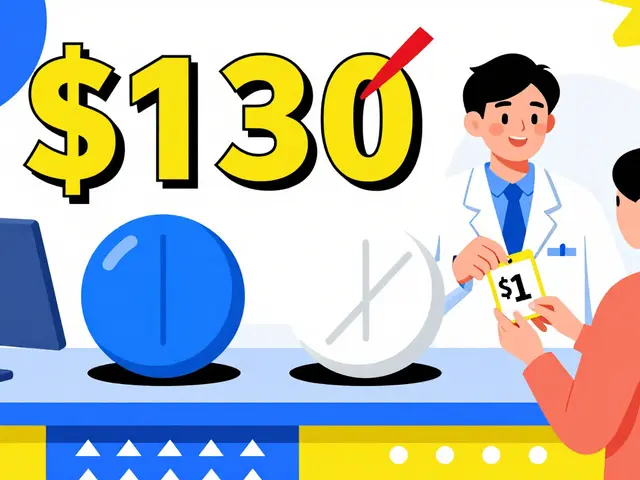
Here’s a rule of thumb: if the price is too good to be true, it probably is. Legitimate generics cost about 80-85% less than brand names. Counterfeits often sell for another 30-50% off that price. Why? Because there’s no R&D, no quality testing, and no taxes paid. When you save money there, you pay with your health.
What To Do If You Suspect a Fake
If you think your medication is counterfeit, stop taking it immediately. Don’t throw it away yet. Keep the packaging and any remaining pills as evidence. Report it to the relevant authority. In the U.S., use the FDA’s MedWatch program. Globally, the International Medical Products Anti-Counterfeiting Taskforce (IMPACT) portal processed over 12,000 consumer reports in 2024. Pfizer also maintains an Anti-Counterfeiting Hotline (1-800-593-5685) where you can report suspicious products. Reporting helps authorities shut down bad actors and protects others from harm.
The future looks mixed. Experts predict counterfeit incidents will rise 15-20% annually through 2027 as criminals use AI to create better packaging. However, AI-powered verification systems might reduce fakes by 40% in high-income countries by 2028. Until then, vigilance is your best defense. Stay informed, check your sources, and never underestimate the power of a simple visual check.
How can I tell if my generic medication is real?
Check for spelling errors on the label, verify the manufacturer's logo matches the official website, and inspect the pill for consistent color and texture. Use manufacturer verification tools like QR codes if available. Always buy from licensed pharmacies with visible physical addresses.
Are online pharmacies safe for buying generics?
Only if they are verified. Look for the VIPPS seal in the U.S. or equivalent national accreditation. Avoid sites that do not require a prescription or hide their physical address. Statistics show 50% of medicines from non-transparent online pharmacies are fake.
What are the most commonly counterfeited drugs?
Antibiotics, painkillers, and lifestyle drugs are top targets. This includes erectile dysfunction medications, steroids, weight-loss drugs like Ozempic, and psychotropic medications. These categories attract criminals due to high demand and willingness to pay premium prices discreetly.
Why are counterfeit generics dangerous?
They may contain no active ingredient, leaving your condition untreated, or they may contain toxic substances. Inconsistent dosages can lead to treatment failure or adverse reactions. For antibiotics, ineffective doses contribute to antimicrobial resistance, a global health crisis.
Who should I contact if I find a fake drug?
Report it to your national regulatory body, such as the FDA’s MedWatch program in the U.S. or the IMPACT portal globally. You can also contact the manufacturer directly, such as via Pfizer’s Anti-Counterfeiting Hotline. Keeping the packaging as evidence helps investigators track down the source.