Weight Loss Meds & BP Interaction Estimator
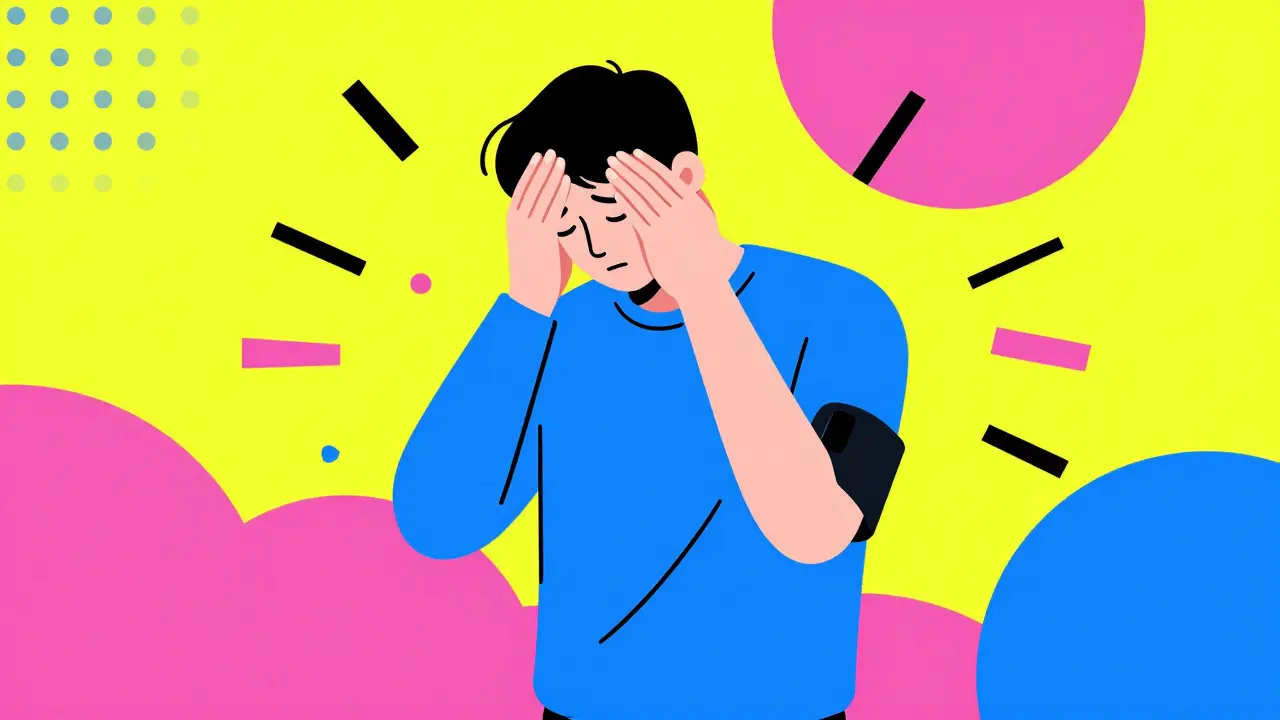
If you've recently started a popular weight loss injection or a stimulant pill, you might be noticing things that have nothing to do with the scale. Maybe you're feeling unusually dizzy when you stand up, or perhaps your mood medication doesn't seem to be hitting the mark like it used to. These aren't just random side effects; they are often the result of how weight loss medications interact with the drugs you're already taking for your heart or mental health.
The core problem is that weight loss drugs don't just burn fat-they change how your body handles other chemicals. Some slow down your digestion, while others rev up your nervous system. When these effects collide with blood pressure meds or antidepressants, the results can range from a mild dizzy spell to a dangerous medical emergency. Here is exactly what you need to know to stay safe while hitting your health goals.
The GLP-1 Effect: Why Your Blood Pressure Might Drop Too Low
Modern weight loss tools like Wegovy is a GLP-1 receptor agonist that mimics the glucagon-like peptide-1 hormone to regulate appetite and glucose and Saxenda is a liraglutide-based injection approved for chronic weight management work by changing your metabolic pace. While losing weight naturally lowers blood pressure, these drugs add a second layer of complexity.
Wegovy, for example, has been shown to lower systolic blood pressure by an average of 6.2 mmHg. If you are already taking an antihypertensive, this creates a "double-drop" effect. According to data from the SUSTAIN-6 trial, about 12-18% of patients experience hypotension-where blood pressure dips below 90/60 mmHg. You might feel this as lightheadedness or sudden fatigue, especially in people over 65, where blood pressure drops exceeding 20 mmHg occur in about 22% of cases.
Beyond the numbers, there is a mechanical issue: gastric emptying. Saxenda slows down how fast food and medicine leave your stomach by 25-35%. This means the blood pressure pills you swallow might not enter your bloodstream at the usual time or rate, making your blood pressure levels unpredictable.
The Stimulant Conflict: When Weight Loss Raises Blood Pressure
Not all weight loss drugs lower blood pressure. Older, stimulant-based options like Phentermine is a sympathomimetic agent that stimulates norepinephrine release to suppress appetite do the exact opposite. Instead of calming the system, they rev it up, which can spike systolic pressure by 5-15 mmHg.
For the millions of adults already managing hypertension, this is a risky combination. While some hybrid drugs like Qsymia (phentermine-topiramate) use topiramate to counteract these spikes, pure stimulants can put a significant strain on the cardiovascular system. The most critical danger occurs when these are mixed with MAOIs is a class of antidepressants called Monoamine Oxidase Inhibitors. This specific pairing can trigger a hypertensive crisis, sending blood pressure soaring above 180/120 mmHg, which requires immediate emergency intervention.
| Medication Type | Primary Effect on BP | Common Interaction Risk | Typical BP Change |
|---|---|---|---|
| GLP-1s (Wegovy, Saxenda) | Lowers BP | Hypotension (Too low) | -6.2 mmHg (Systolic) |
| Stimulants (Phentermine) | Raises BP | Hypertensive Crisis | +5-15 mmHg (Systolic) |
| Combos (Qsymia) | Neutral/Slight Drop | Moderate fluctuation | -2-5 mmHg (Systolic) |
The Hidden Link Between Weight Loss Meds and Antidepressants
If you take SSRIs is Selective Serotonin Reuptake Inhibitors, common antidepressants like sertraline, you should pay close attention to how you feel after starting a GLP-1 medication. The issue here isn't a chemical reaction in the blood, but a physical delay in the gut.
Because GLP-1 medications slow down the stomach, the absorption of oral antidepressants can be reduced by 18-25%. Imagine your medication sitting in your stomach longer than it should; it may not reach the small intestine where it's absorbed into the bloodstream efficiently. Some users have reported that their sertraline simply stopped working as well, leading to a return of anxiety or depressive symptoms. In a professional registry, about 8.5% of patients on both types of medication needed a psychiatric dose adjustment to compensate for this absorption lag.
How to Manage These Interactions Safely
You don't have to choose between losing weight and managing your other health conditions, but you do need a strict monitoring plan. Relying on "how you feel" isn't enough because hypotension can sneak up on you.
For those on blood pressure meds, the current gold standard is weekly monitoring during the first month of GLP-1 therapy. Many doctors follow a rule of thumb: assess your medication needs for every 5% of body weight lost. By the time you hit a 15% weight loss milestone, roughly 68% of patients require a reduction in their antihypertensive dose to avoid fainting or dizziness.
If you are taking antidepressants, a practical strategy is to separate your doses. Try taking your antidepressant at least 2 hours apart from your weight loss medication administration. This helps minimize the interference caused by delayed gastric emptying and ensures your mood stabilizer enters your system consistently.
For those using stimulants, the safety window is non-negotiable. If you are switching from an MAOI to phentermine, you must wait at least 14 days. Jumping the gun here can lead to a hypertensive emergency that can cause permanent organ damage.
Red Flags: When to Call Your Doctor Immediately
Knowing the difference between a "adjustment period" and a medical emergency is vital. While some nausea is expected with GLP-1s, certain symptoms indicate a dangerous interaction:
- Severe Dizziness: Feeling like the room is spinning or fainting when standing up quickly (Orthostatic Hypotension).
- Chest Pain or Racing Heart: Especially if you are on phentermine, this could signal a dangerous blood pressure spike.
- Sudden Mood Crash: If your depression or anxiety returns abruptly after starting a weight loss injection, your antidepressant absorption may be compromised.
- Extreme Fatigue: When combined with diuretics, GLP-1s can cause a deeper drop in blood pressure that leaves you feeling exhausted.
Can I take Wegovy if I'm already on blood pressure medication?
Yes, but you must do so under strict medical supervision. Because Wegovy lowers blood pressure, your current dose of blood pressure medication may become too strong, leading to hypotension. Most doctors recommend weekly BP checks during the first month to determine if your dose needs to be lowered.
Will these weight loss meds make my antidepressant less effective?
Potentially. GLP-1 medications like Saxenda and Wegovy slow gastric emptying, which can reduce the absorption of oral SSRIs (like sertraline) by 18-25%. If you notice a dip in your mood or an increase in anxiety, tell your psychiatrist; they may need to adjust your dosage or timing.
What is the risk of taking Phentermine with heart medication?
Phentermine increases blood pressure by releasing norepinephrine. This can counteract the effects of your heart medications and put extra strain on your cardiovascular system. It is especially dangerous if combined with MAOIs, which can cause a hypertensive crisis.
What happens if my blood pressure drops too low on a GLP-1 drug?
Symptomatic hypotension typically manifests as dizziness, lightheadedness, or fainting. This often happens because the medication and the weight loss are both lowering your blood pressure simultaneously. Your doctor will likely reduce your antihypertensive dosage (often by 25-50%) to bring you back to a safe range.
Do I need to stop my antidepressants before starting weight loss meds?
Generally, no. You don't need to stop your antidepressants, but you should discuss the timing with your doctor. Separating the doses by at least 2 hours can help ensure the antidepressant is absorbed properly despite the slower digestion caused by GLP-1 drugs.
Next Steps for Your Safety
If you are currently balancing these medications, start a simple log. Record your blood pressure at the same time every day for the first four weeks of your new weight loss regimen. Note any times you feel dizzy or unusually tired. This data is far more useful to your doctor than a general "I feel okay."
For those on antidepressants, keep a mood journal. If you see a correlation between your injection days and an increase in anxiety, bring this up at your next appointment. The goal is to lose weight without sacrificing your mental stability or heart health. Always consult your healthcare provider before changing any medication dosages yourself.


April 18, 2026 AT 21:20 PM
Total scam! They want us on these needles just to mess with our brain chemicals and keep us dizzy and weak! It's all a giant game played by the big pharma lizards to make sure we never actually get healthy, just dependent on another shot every week! Absolute madness!
April 20, 2026 AT 04:35 AM
The preoccupation with pharmacological synergy is quaint, yet it fails to address the fundamental ontological failure of attempting to solve a systemic lifestyle collapse with a synthetic peptide. One does not simply 'manage' the intersection of antidepressants and GLP-1s without acknowledging the inherent absurdity of medicating the symptoms of a sterile, modern existence.
April 22, 2026 AT 00:46 AM
Conveniently ignoring how these 'trials' are funded by the same people selling the drugs. The gastric emptying delay is just a cover for the way these compounds rewrite your metabolic signaling to make you more compliant. It's obvious to anyone with a brain that the 'double-drop' is a feature, not a bug, designed to keep you lethargic.
April 22, 2026 AT 14:58 PM
Everyone needs to be incredibly firm about tracking their vitals here. If you're on an SSRI, don't just hope for the best-actually log your mood every single day. We have to be our own advocates because the system often misses these nuanced interactions until it's too late.
April 23, 2026 AT 02:00 AM
It is so important to remember that every body reacts differently to these peptides. For those of you struggling with the absorption lag, talking to your pharmacist about the specific timing of your doses can make a world of difference. Many people find that taking their mood meds first thing in the morning, well before any other stimulants, helps stabilize the serum levels throughout the day. Just keep a close eye on those blood pressure readings during the first month!
April 23, 2026 AT 07:31 AM
I had a bit of a scare with the dizziness last month! 😵 Just a heads up to take it slow when getting out of bed if you're on BP meds too. Be safe everyone! 😊
April 23, 2026 AT 12:11 PM
Man, the thought of a hypertensive crisis just from a pill combo is absolutely terrifying! Like, imagine your heart just deciding it's had enough because of a drug interaction! Stay safe out there, people.
April 25, 2026 AT 02:19 AM
This is such a critical warning!!! Please... please... make sure you are communicating with both your primary doctor AND your psychiatrist... it is too easy for them to not talk to each other!!!
April 26, 2026 AT 22:51 PM
I am utterly devastated to learn about this absortion lag!! I have been feeling so low lately and I thout it was just a slump... but it could be the Wegovy!! I shall contact my physician imediatly to adjust my dose!!
April 27, 2026 AT 16:16 PM
Let's keep the vibes positive and just focus on the synergy of health! Using the titration process to balance the pharmacokinetics of our meds is just a small hurdle on the path to a better version of ourselves. We got this!
April 27, 2026 AT 19:55 PM
It is a wonderful thing to see such detailed information shared for the benefit of all. May we all find a balance that brings peace to both the body and the spirit. 🌟
April 29, 2026 AT 17:53 PM
I am truly shoked by how much the stomach slows down... I didn't know it was 35 percent!! That is simply incredable and a bit scary for those of us who depend on our meds daily.
May 1, 2026 AT 10:52 AM
American medicine is the only one daring enough to innovate these GLP-1s. Deal with the side effects; it's the price of progress.
May 3, 2026 AT 01:01 AM
I totally agree with the monitoring part, it seems like the safest way to go about it.
May 3, 2026 AT 10:20 AM
Existence is a series of chemical adjustments... is it not???
May 4, 2026 AT 09:37 AM
The part about separating doses by two hours is a really practical tip. I wonder if that also applies to vitamins or other supplements that might be affected by the slower digestion rate.
May 6, 2026 AT 06:50 AM
Just chilling and reading this. Glad people are sharing this stuff so we don't have to guess why we feel weird.