Imagine your body is a house and your medication is the security system. If you turn it on every night at 10 PM, it works perfectly. But if you forget to turn it on one night, or turn it off too early because you think the coast is clear, intruders get in. For many people, skipping a dose of prescription medication is a common mistake that disrupts the body's ability to fight disease and maintain health feels harmless. You missed one day. No big deal, right? Wrong. That single missed dose can create a ripple effect that compromises weeks of treatment.
We often treat pills like optional accessories rather than critical tools. We take them when we remember, or worse, only when symptoms bother us. This approach might work for an occasional headache pill, but for chronic conditions or infections, it’s dangerous. Understanding why timing matters isn't just about following rules; it's about understanding how your body processes chemicals to keep you alive.
The Bloodstream Balancing Act
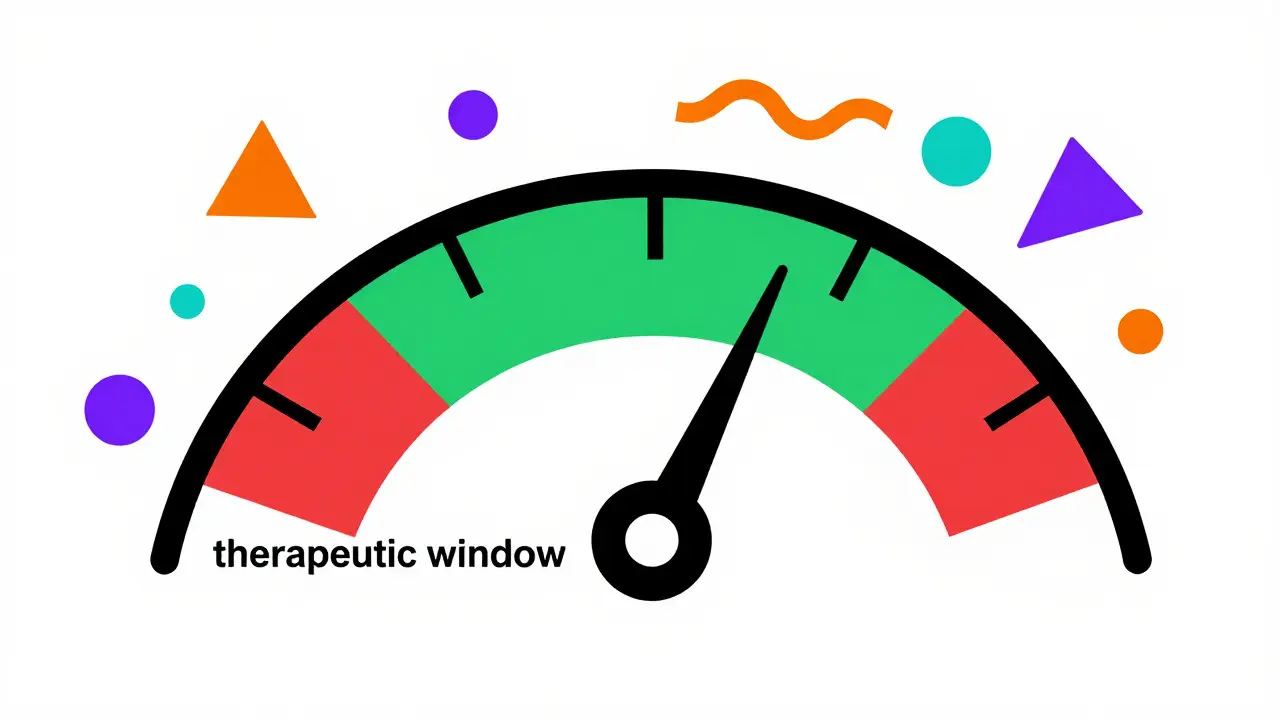
To understand why you shouldn't skip doses, you have to look at what happens inside your veins. When you swallow a pill, it doesn't instantly fix your problem. It dissolves, enters your bloodstream, and travels to where it needs to work. Doctors call this process pharmacokinetics. The goal is to keep the concentration of the drug in your blood within a specific range known as the therapeutic window is the safe and effective range of drug concentration in the blood.
If the level drops below this window, the medicine stops working effectively. If it spikes above it, you risk toxicity and side effects. Think of it like driving a car. You want to stay between 50 and 70 mph. If you drop to 20 mph, traffic backs up (your condition worsens). If you hit 100 mph, you lose control (side effects kick in). Skipping a dose causes your blood levels to crash below that minimum threshold.
For some drugs, the body clears them out quickly. These medications have a short half-life, meaning they leave your system rapidly. If you miss a dose of a short-half-life drug, the protection vanishes fast. For others, the drug stays in your system longer, giving you a bit more buffer time. However, relying on that buffer is risky business. Consistency keeps the levels steady, preventing those dangerous dips and spikes.
The Antibiotic Trap: Why Stopping Early Fails
One of the most common mistakes people make involves antibiotics. You start taking them for a sinus infection or strep throat. After three days, you feel great. The pain is gone. The fever broke. Your instinct says, "I'm cured, I can stop." This is exactly when you need to be most careful.
Antibiotics work by killing bacteria. The first few doses kill the weakest, most vulnerable bacteria. The survivors are the tougher ones. If you stop now, you haven't killed all the invaders. You've actually trained the remaining bacteria to survive your medication. This is how antibiotic resistance develops. The next time you get sick, that same antibiotic won't work because the bacteria have evolved to defeat it.
Guidelines from organizations like the Centers for Disease Control and Prevention emphasize completing the full course, usually 7 to 14 days. Even if you feel fine, microscopic enemies remain. Finishing the course ensures total eradication, protecting not just you, but the community around you from superbugs.
Chronic Conditions: The Silent Threat
Unlike infections, chronic conditions like high blood pressure (hypertension) or diabetes don't always announce themselves with pain. This lack of immediate feedback makes adherence incredibly difficult. With hypertension, you can have dangerously high blood pressure and feel absolutely normal. This is why it's called the "silent killer."
When patients skip their blood pressure medication because they "feel good," they invite disaster. High blood pressure damages artery walls over time. It strains the heart, forcing it to pump harder against resistance. A skipped dose allows blood pressure to rebound, creating fluctuations that stress the cardiovascular system. According to data from the American Heart Association, consistent use of these medications significantly reduces the risk of stroke and heart attack. Skipping doses introduces volatility into a system that demands stability.
Diabetes management presents a similar challenge. Medications for diabetes must align with meal times. Taking insulin or other glucose-lowering drugs without eating can cause hypoglycemia (dangerously low blood sugar), leading to fainting or seizures. Conversely, missing a dose while eating can send blood sugar soaring, damaging nerves and organs over time. The timing here isn't just about keeping levels steady; it's about matching the drug's action with your body's intake of fuel.
High-Stakes Medications: Narrow Therapeutic Index
Some medications have a very narrow margin for error. These are known as drugs with a narrow therapeutic index. For these medicines, the difference between a helpful dose and a harmful dose is tiny. Two major categories fall here: anticoagulants and immunosuppressants.
Anticoagulants like warfarin are blood thinners used to prevent clots in patients with heart conditions or history of strokes require precise daily dosing. If you skip a dose, your blood becomes too thick, increasing the risk of a clot forming in your legs or traveling to your lungs or brain. If you take too much, you risk uncontrollable bleeding. Patients on warfarin typically undergo regular INR (International Normalized Ratio) tests every 2-4 weeks to monitor their clotting time. Skipping doses throws off these readings, making it hard for doctors to adjust your dosage safely.
Immunosuppressants are critical for organ transplant recipients. These drugs tell your immune system to stand down so it doesn't attack the new kidney, liver, or heart. Missing even one dose can trigger an immune response. The body recognizes the organ as foreign and begins rejecting it. Organ rejection can happen quickly and may result in the loss of the transplanted organ. For these patients, timing isn't a suggestion; it's a matter of life and death.
Why We Forget: Barriers to Adherence
If timing is so important, why do so many people fail to follow their schedules? It’s rarely because patients don’t care. The barriers are real and multifaceted.
- Complexity: Managing multiple medications with different instructions (some with food, some without, some morning, some night) is mentally exhausting. Research shows that each additional daily dose decreases adherence rates by approximately 16%.
- Forgetfulness: Life gets busy. Work calls, family emergencies, and routine changes disrupt established habits.
- Misunderstanding: Many patients simply don't understand the instructions. A study published in Public Health Reports noted that a primary reason for incorrect usage was a failure to comprehend the directions provided.
- Side Effects: Fear of experiencing nausea, drowsiness, or other uncomfortable reactions leads some to skip doses intentionally.
- Cost: Financial constraints can force patients to ration pills, stretching a month's supply over six weeks.
Healthcare providers recognize these hurdles. The "teach-back" method is a strategy where doctors ask patients to repeat the instructions back to them before leaving the appointment. This confirms understanding and catches confusion early.
Practical Strategies for Perfect Timing
You don't need a degree in pharmacy to master your medication schedule. You just need systems that remove guesswork. Here are proven strategies to improve your adherence.
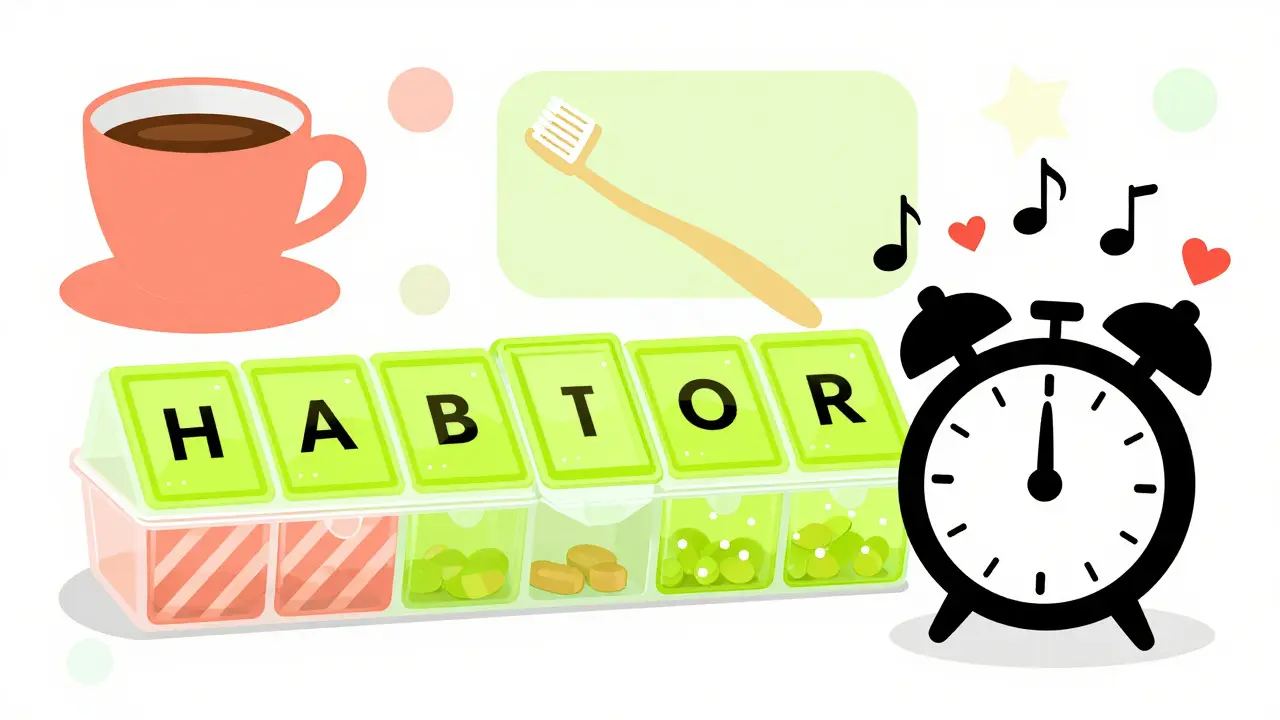
- Anchor Your Doses: Link your medication to an existing habit. Take your morning pill with your coffee. Take your evening pill while brushing your teeth. This creates a mental cue that triggers the action automatically.
- Use Technology: Smartphone alarms are free and effective. Set recurring reminders for each dose. Some apps allow you to log when you’ve taken a dose, providing a record for your doctor.
- Pill Organizers: Weekly pillboxes are inexpensive and visually reassuring. Seeing an empty slot tells you immediately if you’ve taken your dose. Many pharmacies offer these for free or at low cost.
- Simplify the Regimen: Talk to your pharmacist or doctor. Ask if any medications can be combined or switched to once-daily formulations. Reducing the number of daily tasks increases compliance.
- Review Regularly: Schedule annual medication reviews with your healthcare provider. Bring all your bottles. Ask if any interactions exist or if timing adjustments are needed based on your current health status.
Pharmacists play a crucial role in this process. They are medication experts who can identify potential conflicts and suggest practical solutions. Don't hesitate to ask them questions. They are there to help you navigate the complexities of your regimen.
The Cost of Non-Adherence
The consequences of skipping doses extend beyond individual health. Medication non-adherence is a massive public health issue. It contributes to hundreds of thousands of hospitalizations annually in the United States alone. These hospitalizations are often preventable and place a significant burden on the healthcare system.
For individuals, the cost includes worsening symptoms, progression of disease, and potentially fatal events. For society, it means higher insurance premiums and strained medical resources. Initiatives like the Million Hearts campaign aim to reduce cardiovascular events by improving adherence among millions of patients. By treating your medication schedule with respect, you contribute to better personal outcomes and a healthier community.
What should I do if I miss a dose?
Generally, if you remember within a few hours, take it immediately. If it's close to the time for your next dose, skip the missed one and resume your normal schedule. Never double up on doses unless specifically instructed by your doctor, as this can lead to toxicity. Always check the patient information leaflet for specific guidance on your medication.
Does it matter if I take my medicine with food?
Yes, it often does. Some medications require food to protect the stomach lining or to aid absorption. Others must be taken on an empty stomach because food blocks their effectiveness. Ignoring these instructions can reduce the drug's potency or increase side effects like nausea.
Can I crush or split my pills to make them easier to take?
Not always. Extended-release or enteric-coated pills are designed to release medication slowly or dissolve in the intestines. Crushing them destroys this mechanism, causing a sudden flood of drug into your system. Always ask your pharmacist before altering the physical form of your medication.
Why do some medicines need to be taken at bedtime?
Certain medications, like statins for cholesterol, work best when taken at night because the body produces most of its cholesterol during sleep. Others may cause drowsiness as a side effect, so taking them at bed helps avoid daytime fatigue and improves safety.
How long does it take to build a medication habit?
Research suggests it takes about 2 to 4 weeks of consistent repetition to establish a reliable routine. During this period, use external aids like alarms and pillboxes heavily. Once the habit is formed, you'll rely less on reminders and more on automatic behavior.