
The FDA uses traceability lot codes to quickly track contaminated food batches back to their source, reducing outbreak response time from weeks to hours. Learn how this system works and why it matters for food safety.
Author: Jack Chen - Page 5

Wearables like Apple Watch and Fitbit can detect early signs of medication side effects through heart rate, sleep, and activity patterns. Learn how to use this data safely and effectively with your doctor.
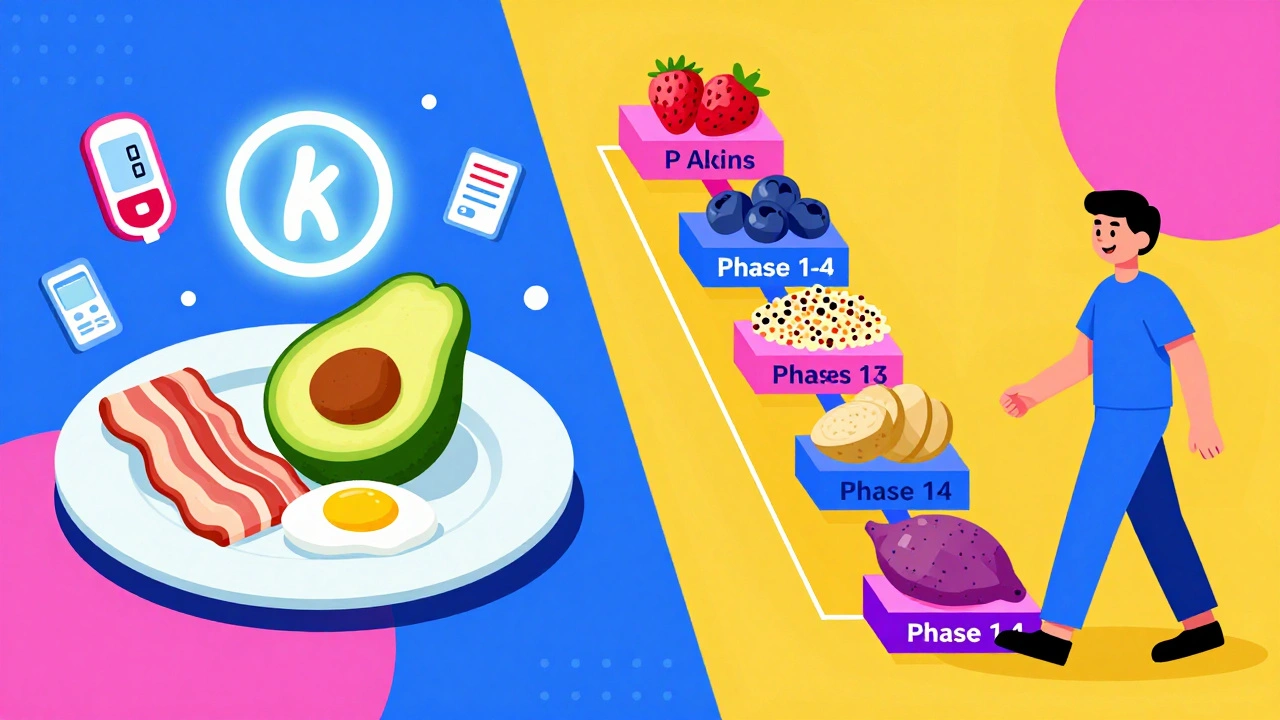
Keto and Atkins both cut carbs for weight loss, but keto is strict and fast, while Atkins builds sustainable habits. Learn which one fits your lifestyle and goals.
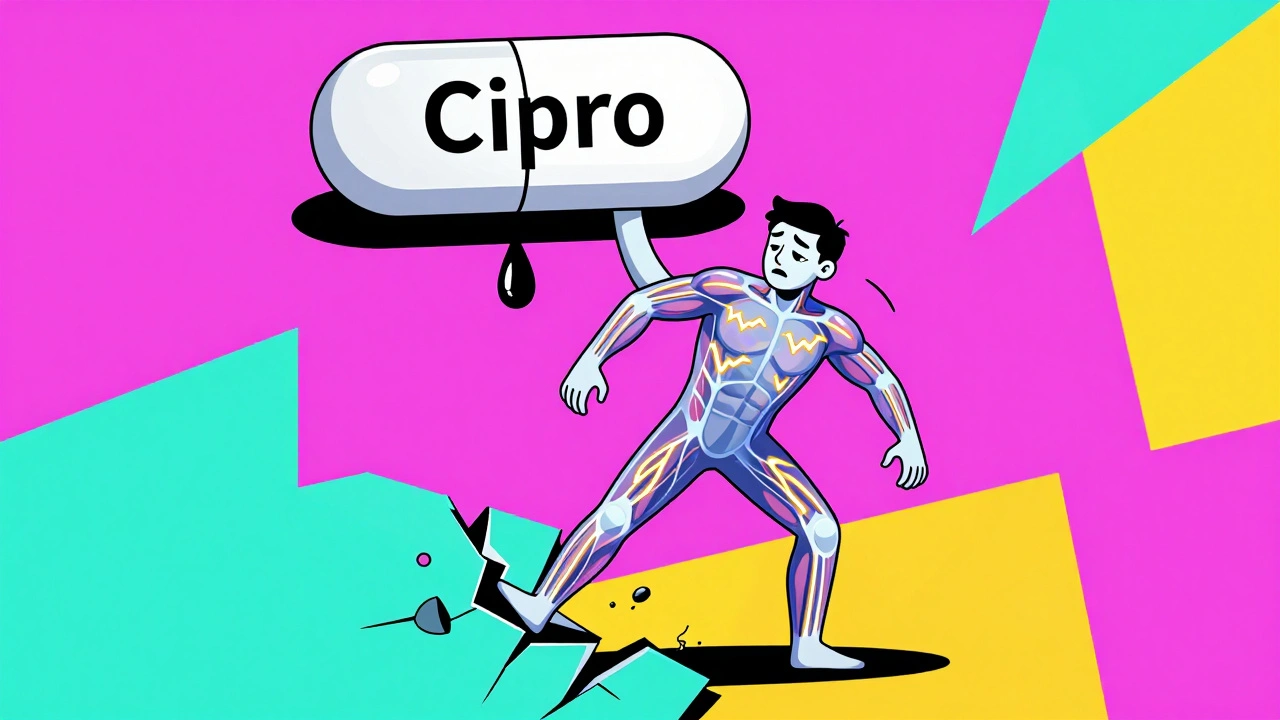
Certain antibiotics can worsen muscle weakness in people with myasthenia gravis. Learn which ones are risky, which are safe, and how to avoid dangerous interactions while still treating infections effectively.
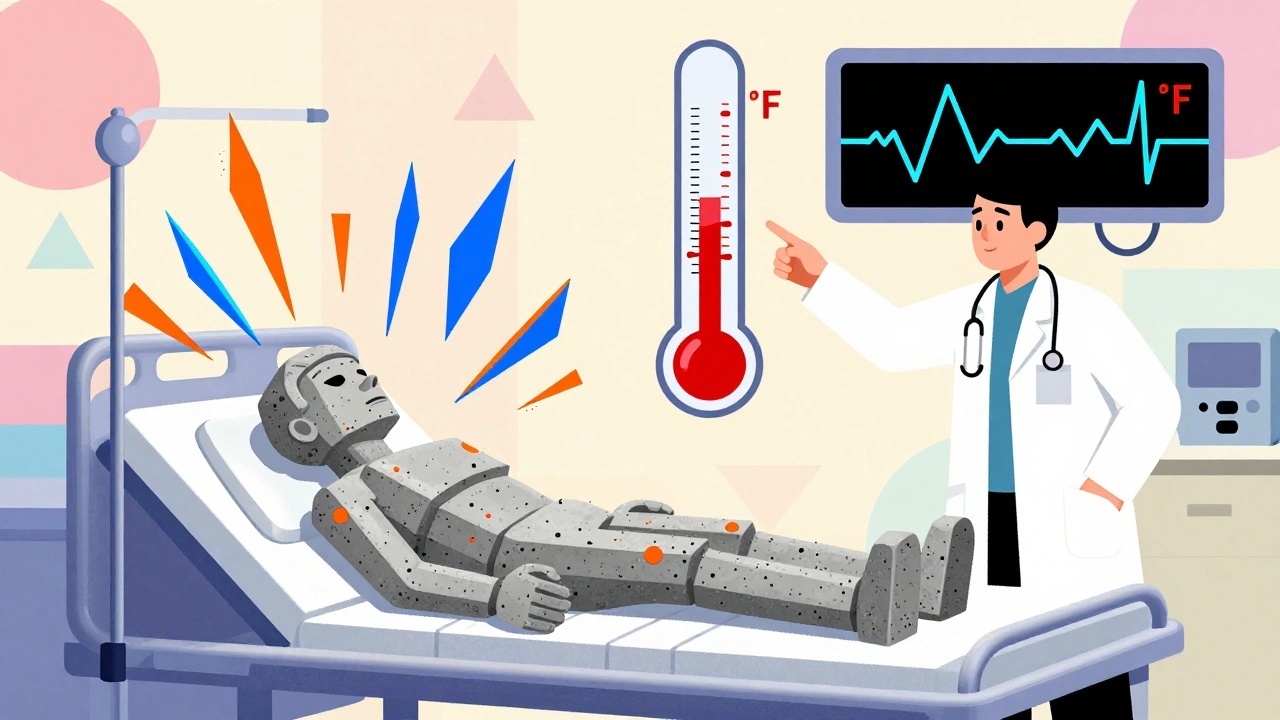
Neuroleptic Malignant Syndrome is a rare but deadly reaction to antipsychotic and anti-nausea drugs. Learn the signs - muscle rigidity, high fever, confusion - and why immediate action saves lives.
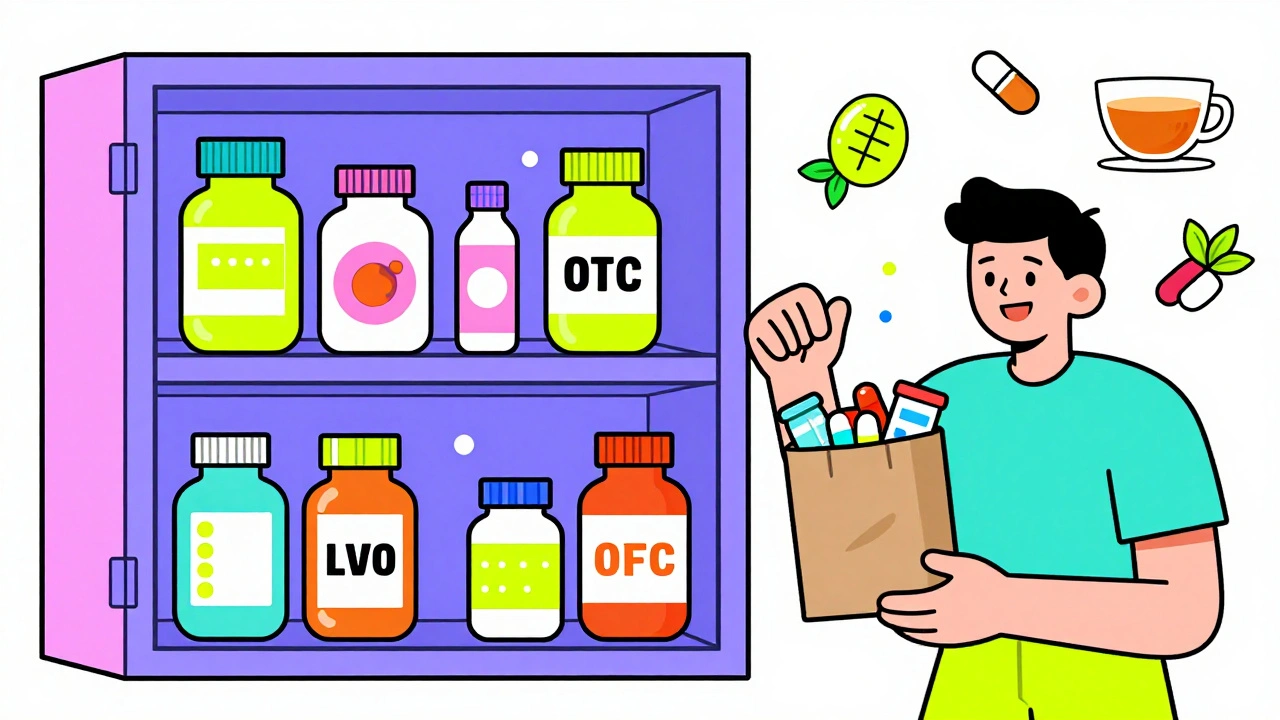
Bringing your actual pill bottles to medical appointments is the most reliable way to prevent dangerous medication errors. Learn what to bring, why pill organizers aren’t enough, and how to prepare for a safe, accurate medication review.
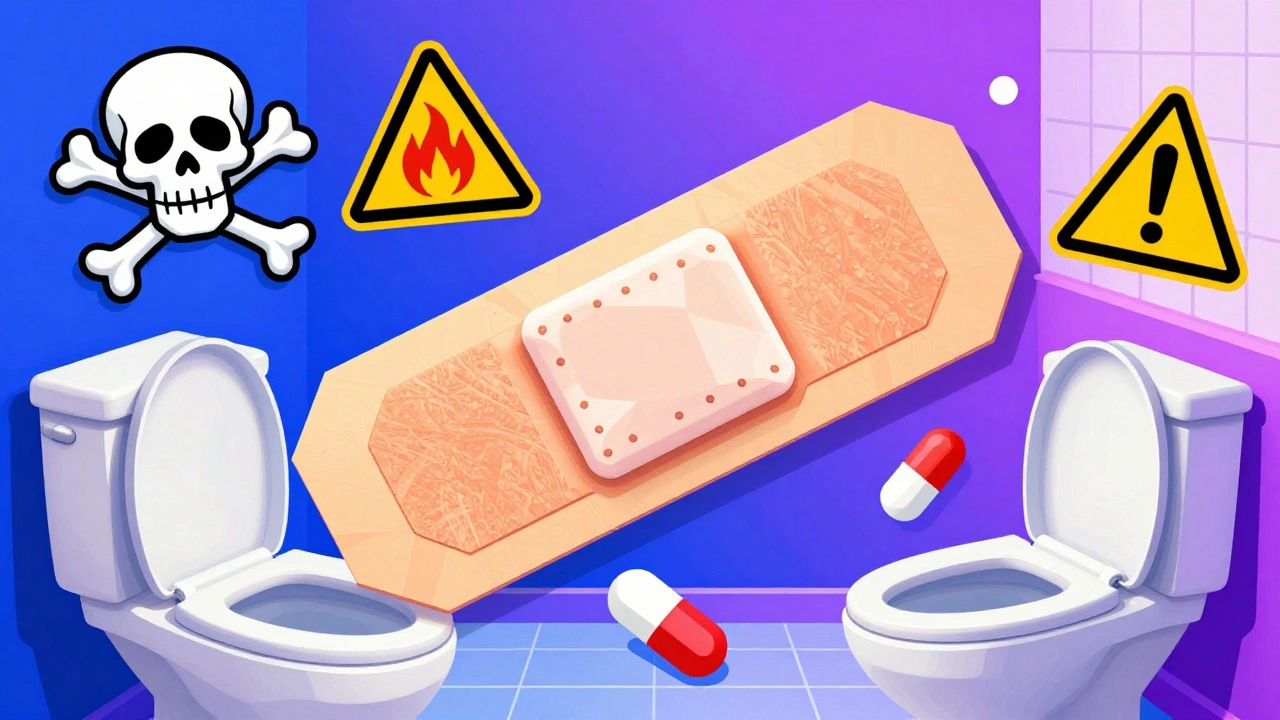
Learn how to prevent overdose with fentanyl patches, liquid opioids, and extended-release pills. Discover the hidden dangers, safe handling tips, and why naloxone isn’t enough on its own.
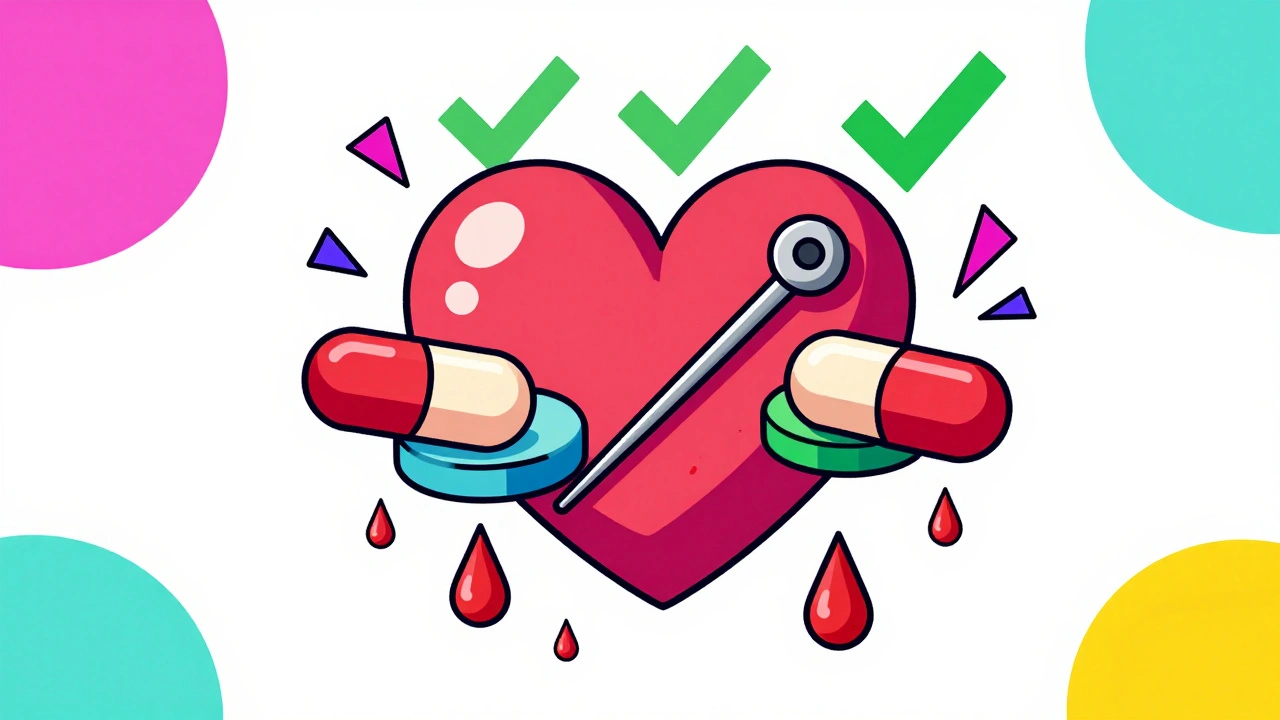
Dual antiplatelet therapy reduces heart risks after stents but increases bleeding. Learn how to manage bleeding side effects with personalized strategies, safer drug choices, and what to do if you bleed.
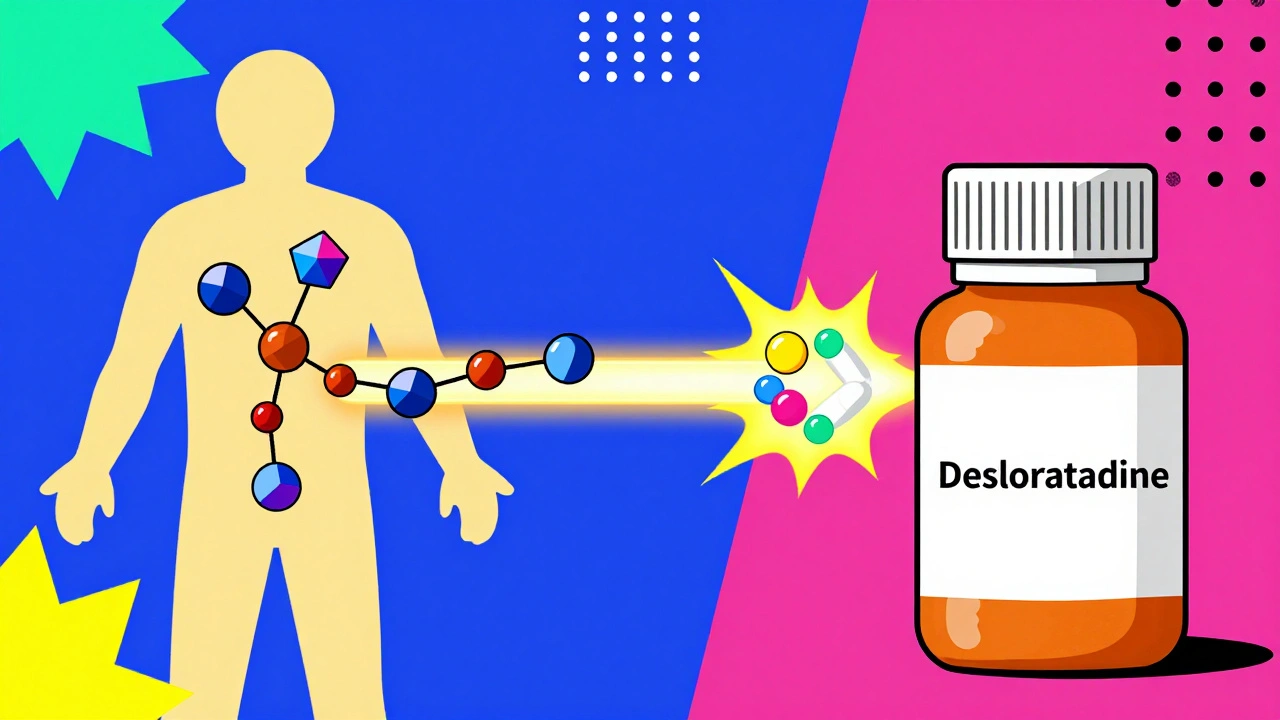
Desloratadine and loratadine are both non-sedating antihistamines for allergies. Desloratadine is more potent, lasts longer, and works better for nasal congestion and itchy eyes - especially in kids over 1 year old. Loratadine is cheaper and fine for mild cases.
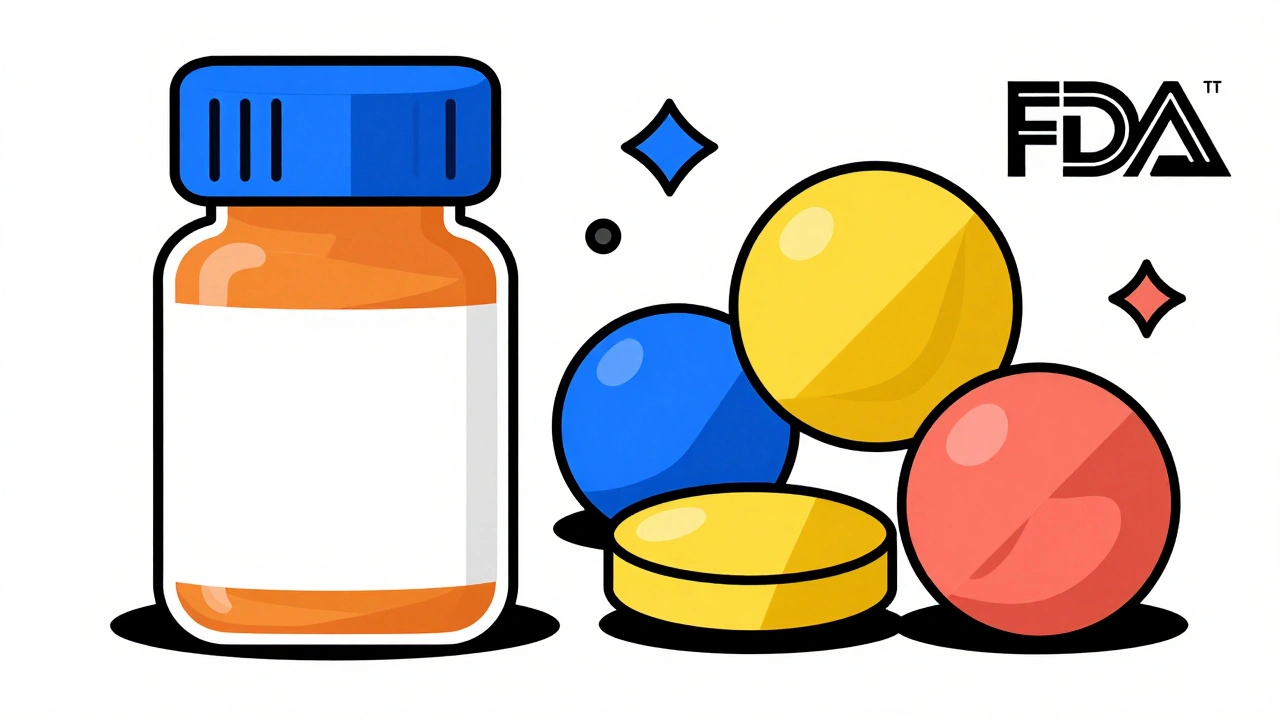
Authorized generics are chemically identical to brand-name drugs but look different due to U.S. trademark laws. Learn why the color, shape, or imprint changes-and how to tell if it's safe.
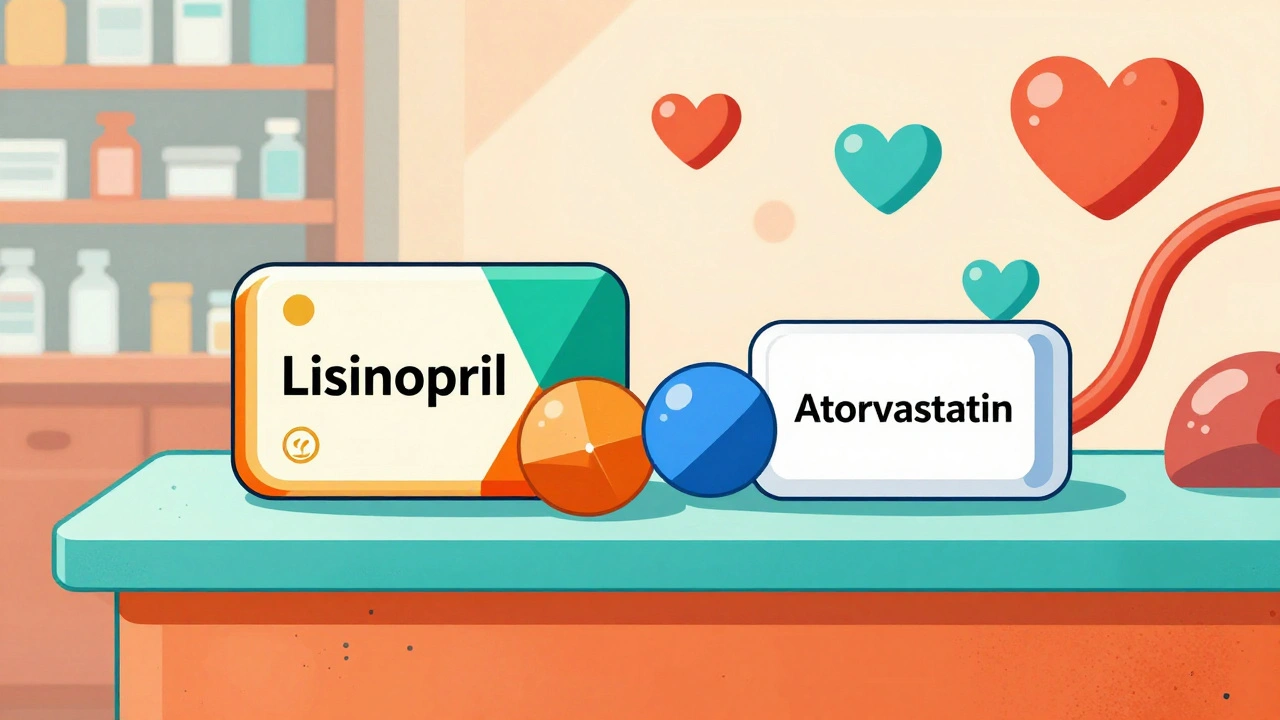
Cardiovascular generics are safe and effective for most people, backed by decades of research. But real-world data shows subtle risks during switches-especially in older adults. Here's what the evidence really says.
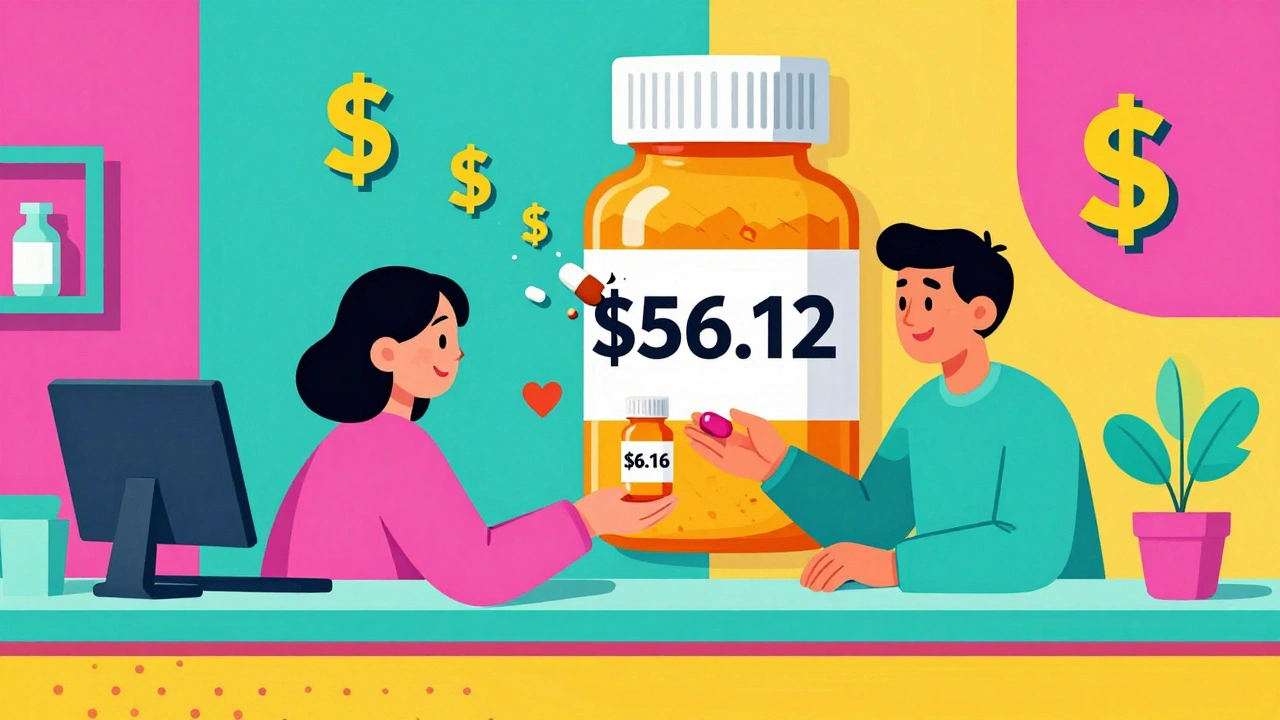
Medicaid generics save patients up to 90% on prescription costs, with average copays of just $6.16 compared to $56.12 for brand-name drugs. Learn how the system works, who benefits, and where costs are still rising.